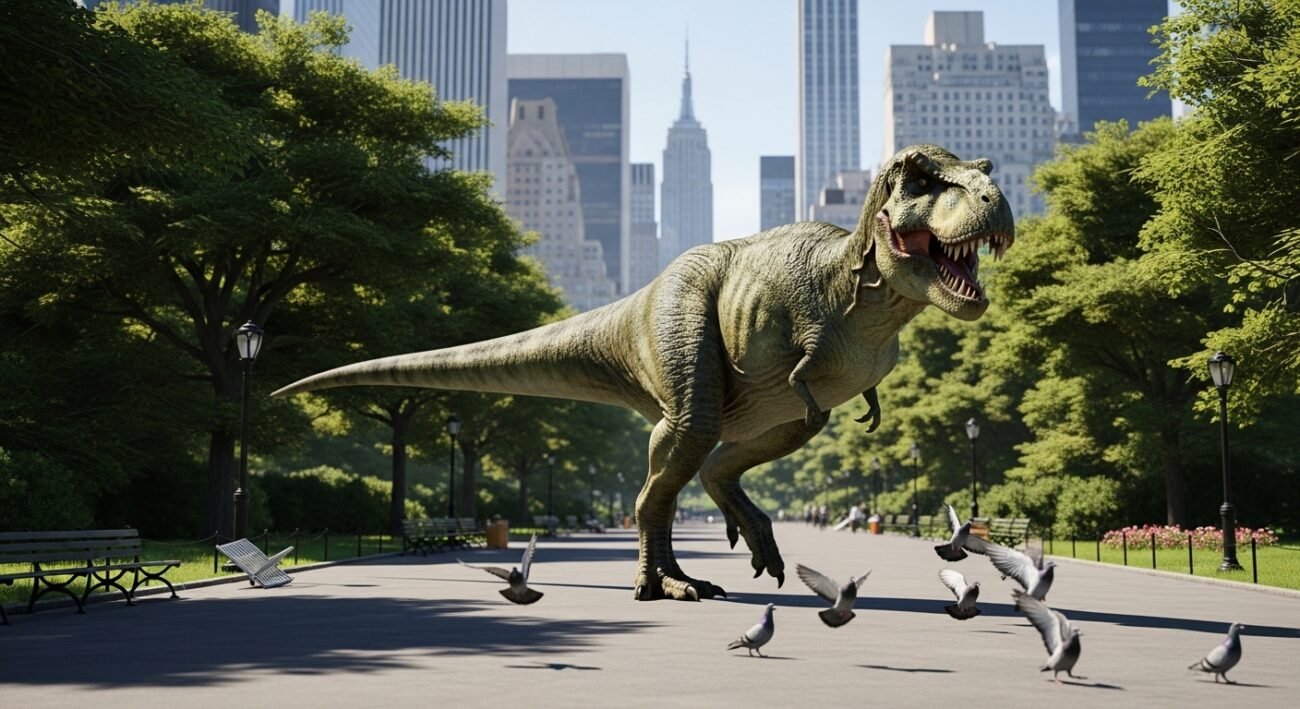
The Tyrannosaurus rex remains one of the most captivating prehistoric creatures to study. But what if this iconic predator somehow existed today? The study of paleontology and ecology and biology provides insights into how a massive Late Cretaceous carnivore would operate in present-day ecosystems. The research presents ten scientific factors that determine T. rex survival in modern times.
Climate Compatibility
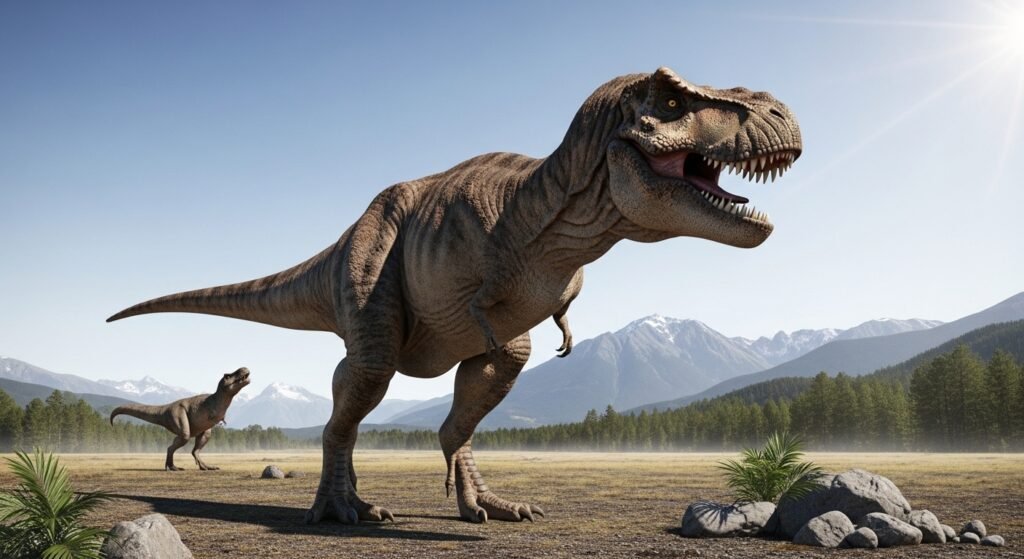
T. rex lived during a warmer climate. Its original habitat would resemble modern temperate and tropical regions. The dinosaur would need insulating features to survive in extremely cold environments.
Prey Availability
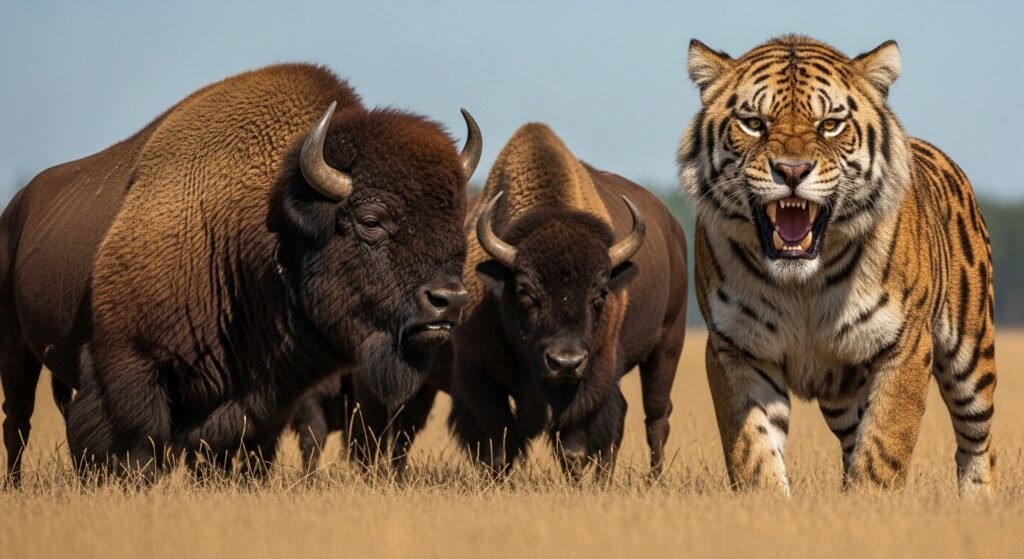
A 7–9 ton predator would require large prey populations. The biomass of modern megafauna bison and large ungulates would meet their needs but it would create major ecological changes.
Competition With Modern Predators
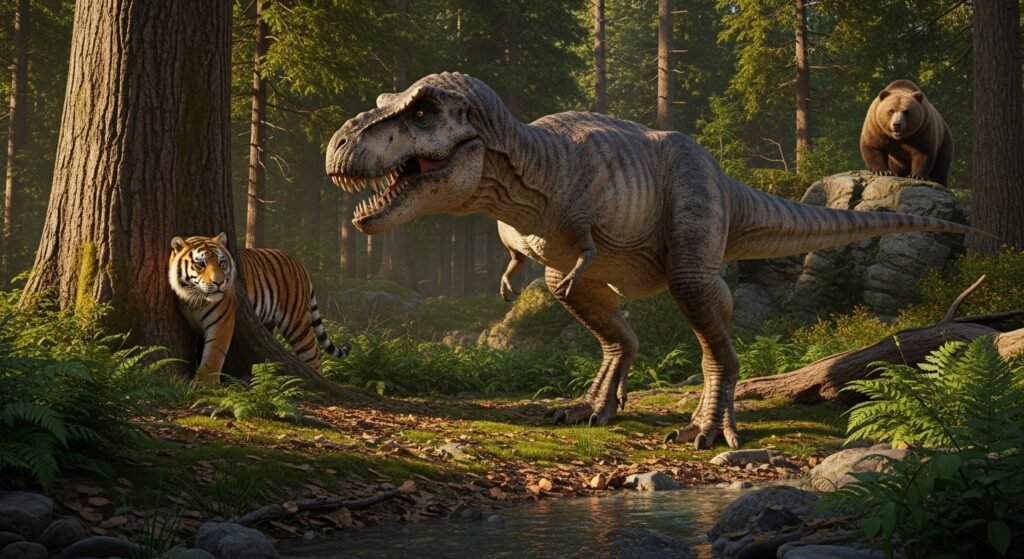
Present-day apex predators such as large cats and bears have established their territory. A T. rex would likely dominate physically yet ecosystems depend on complex predator-prey dynamics that evolved without it.
Bite Force Advantage
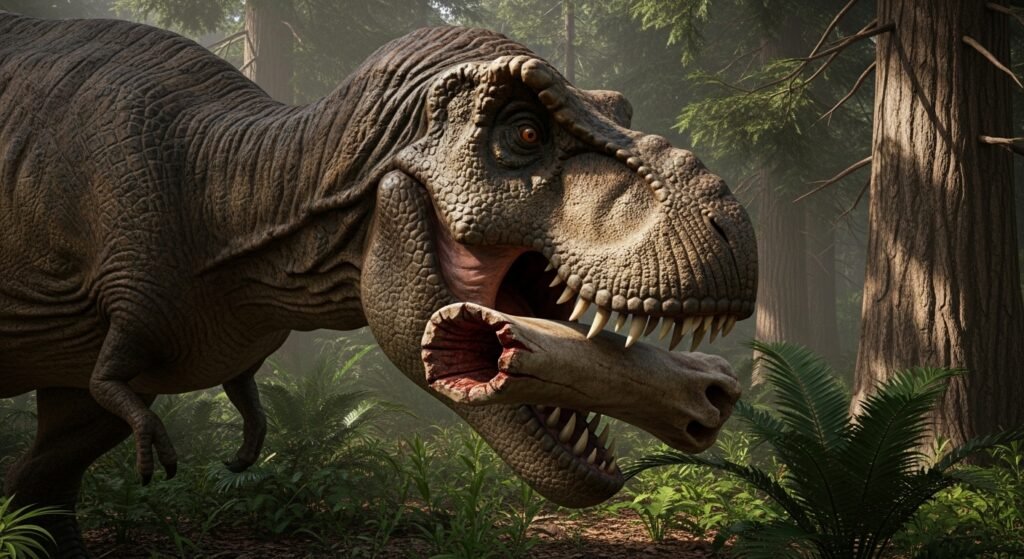
Fossil studies estimate T. rex had one of the strongest bite forces of any land animal. The bone-crushing ability of this dinosaur made him an extremely powerful presence in all land-based habitats.
Sensory Adaptations
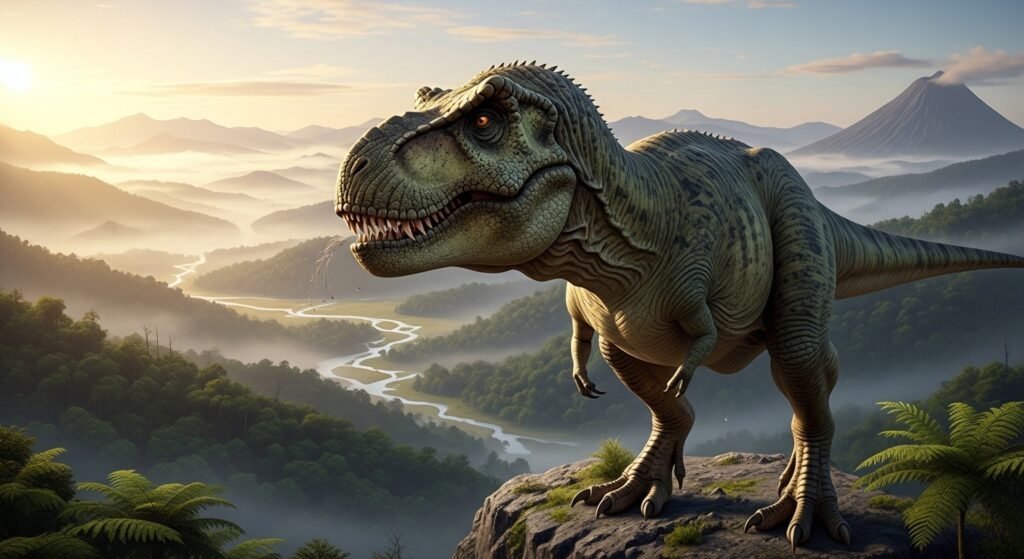
The research indicates T. rex possessed excellent vision and strong smell detection abilities. These traits would support hunting efficiency in diverse landscapes.
Energy Demands
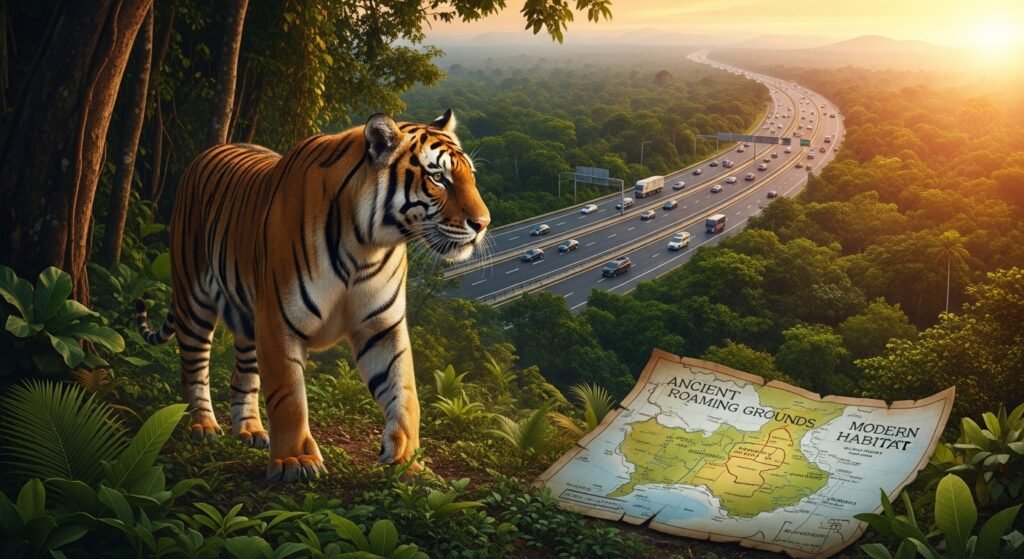
The demands of large predators require them to control extensive areas for energy acquisition. The modern world restricts animal movement because of habitat destruction which leads to smaller roaming areas than what existed in ancient times.
Human Interaction

The presence of large dangerous animals which live in visible areas will prevent their ability to coexist with human settlements. Human activities together with infrastructure development and monitoring activities will determine the survival prospects of species.
Disease and Immunity
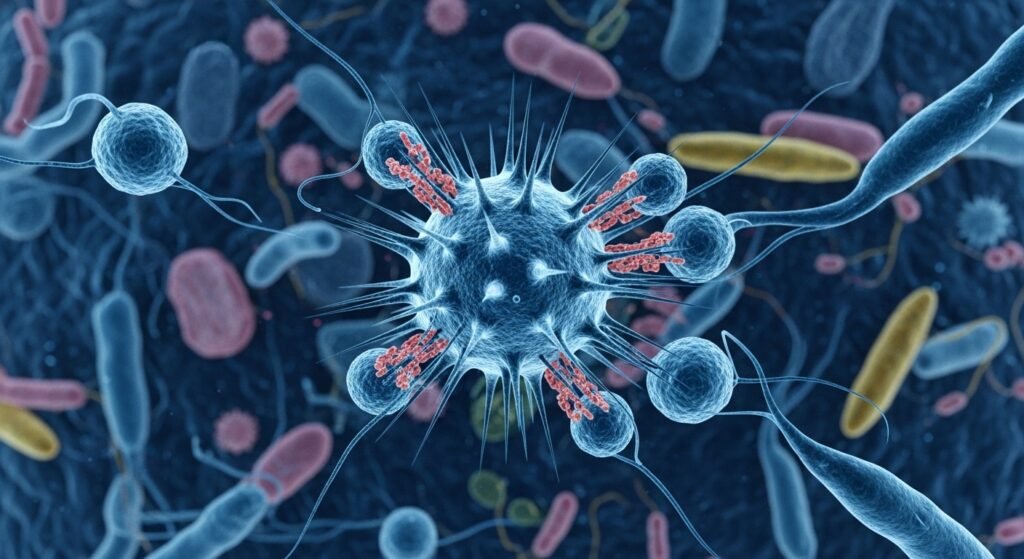
Modern pathogens differ from those of the Cretaceous. A species which scientists introduce into present-day microbial environments will encounter difficulties with its immune system.
Reproductive Strategy
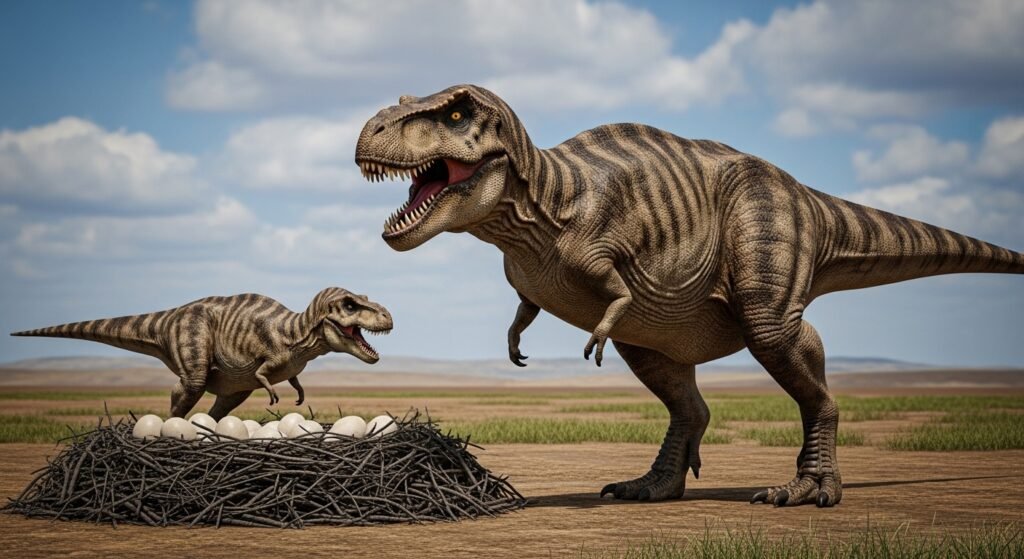
The T. rex species reproduced through egg laying. The establishment of nesting sites needed defense against threats while their success depended on juvenile survival which determined population growth.
