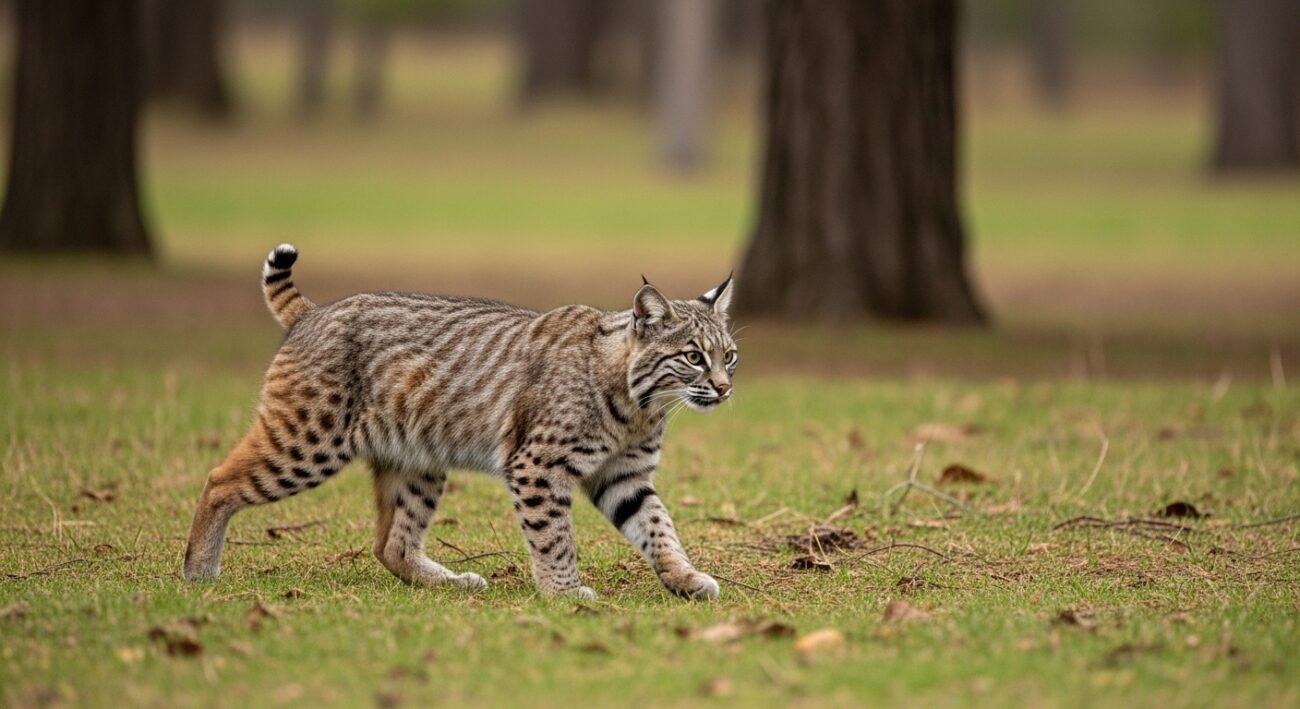
Across the United States, the elusive bobcat moves quietly through forests, deserts, and wetlands, rarely seen but widely distributed. While many people assume these wild cats are scarce, wildlife research shows that bobcats remain one of the most adaptable and stable native predators in North America. In certain regions, healthy habitats and abundant prey allow their populations to thrive in remarkable numbers.
Texas Hill Country and South Texas Brushlands
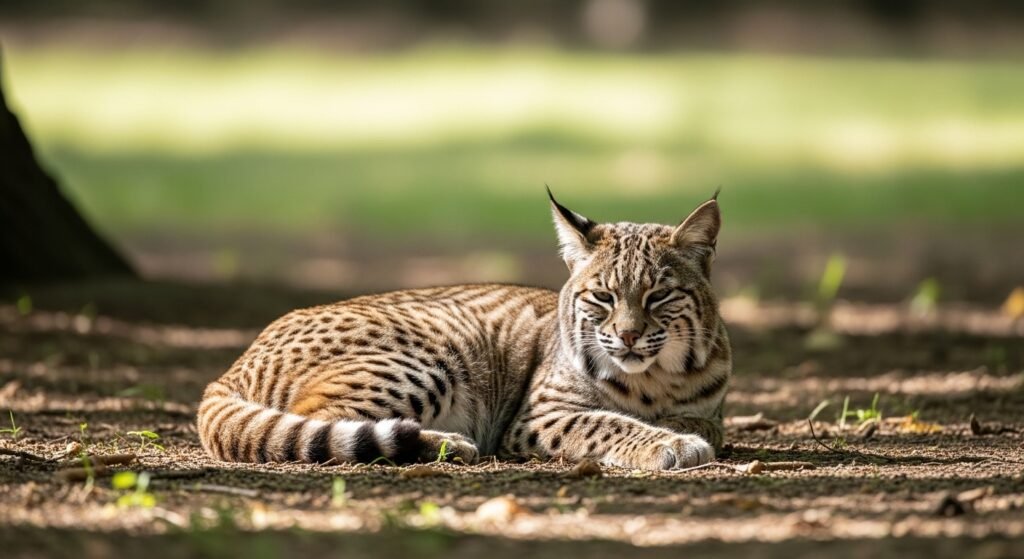
Texas supports one of the largest bobcat populations in the country due to its vast rural landscapes and strong prey base. The brushlands and rocky hills provide excellent cover, allowing bobcats to flourish across much of the state, particularly in central and southern regions.
Arizona’s Sonoran Desert
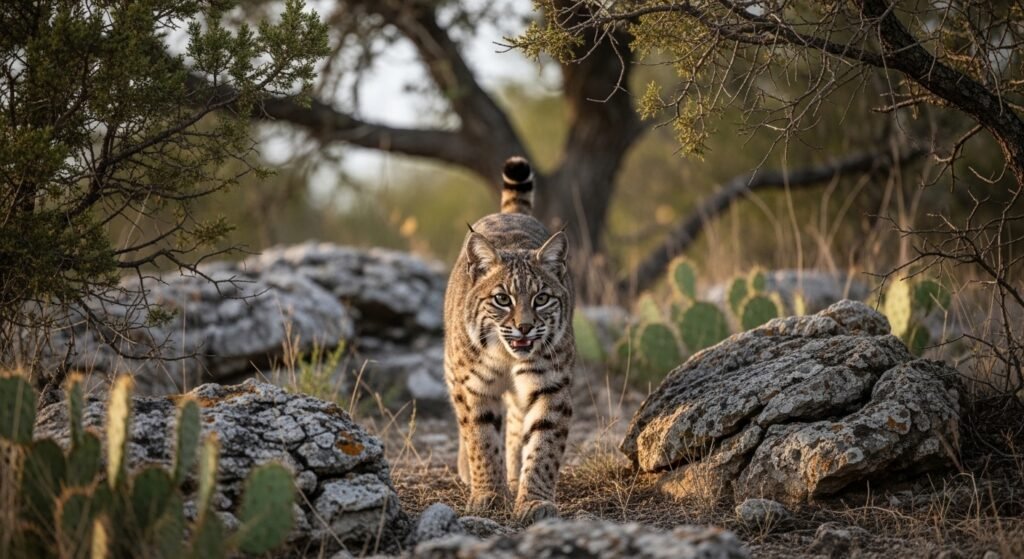
The arid terrain of Arizona offers ideal hunting grounds where rabbits and rodents are plentiful throughout the year. Despite harsh temperatures, bobcats adapt well to desert life, using rocky outcrops and dense cactus stands as shelter.
California’s Coastal Ranges and Foothills
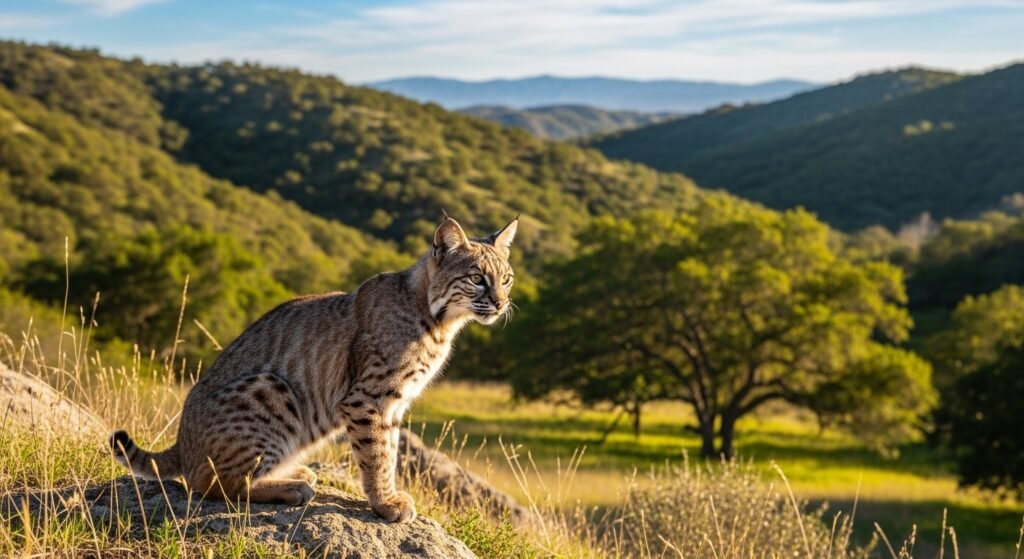
From chaparral-covered hills to oak woodlands, much of California provides the mix of cover and prey that bobcats prefer. Their presence is especially strong in less developed foothill regions where habitat fragmentation is limited.
Florida’s Swamps and Pine Flatwoods
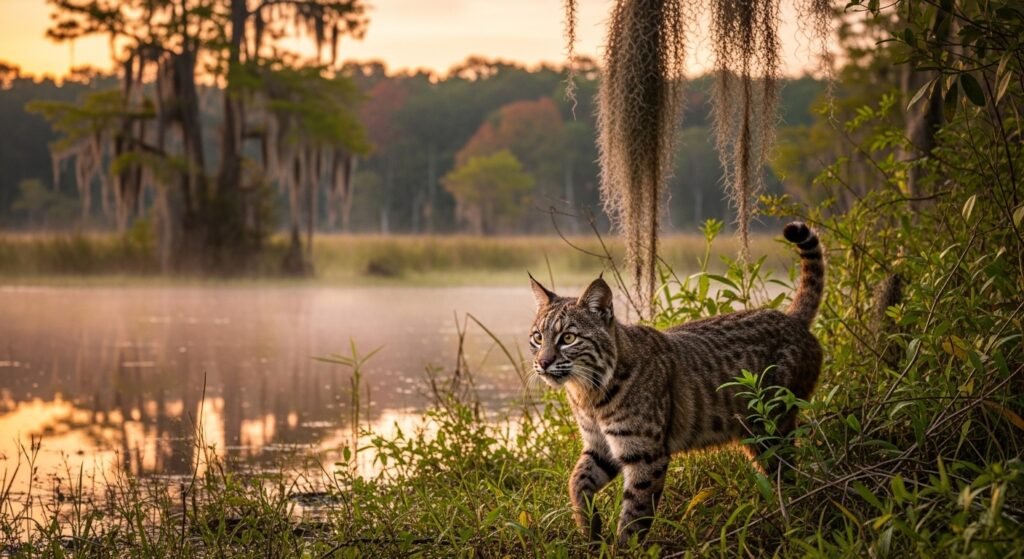
Wetlands and forested tracts across Florida create productive environments for bobcats year-round. The combination of mild winters and dense vegetation supports stable populations in both northern forests and central swamplands.
Georgia’s Mixed Forest Regions
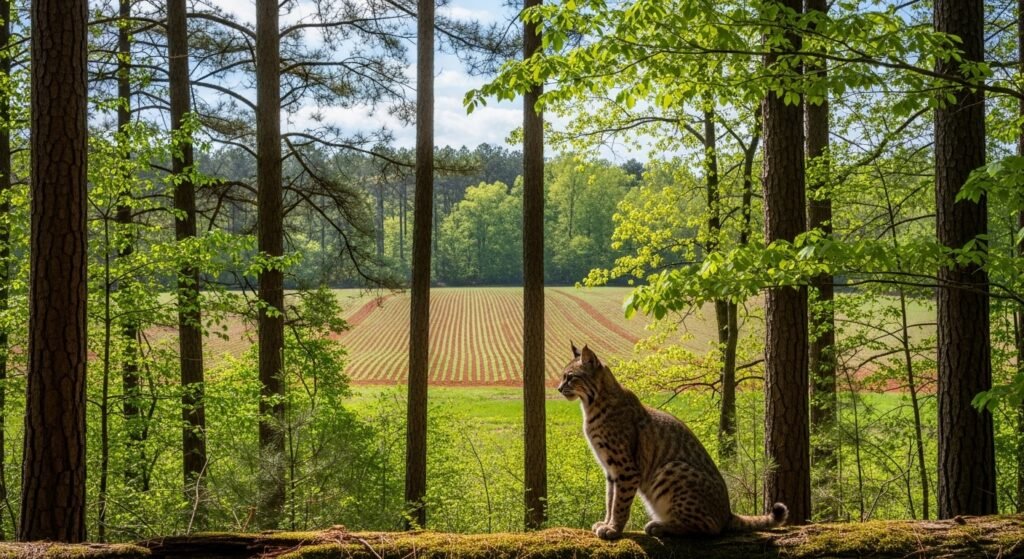
In Georgia, expansive woodlands and agricultural edges allow bobcats to thrive in both rural and semi-rural settings. The abundance of small mammals and birds contributes to consistent population numbers across much of the state.
Pennsylvania’s Appalachian Woodlands
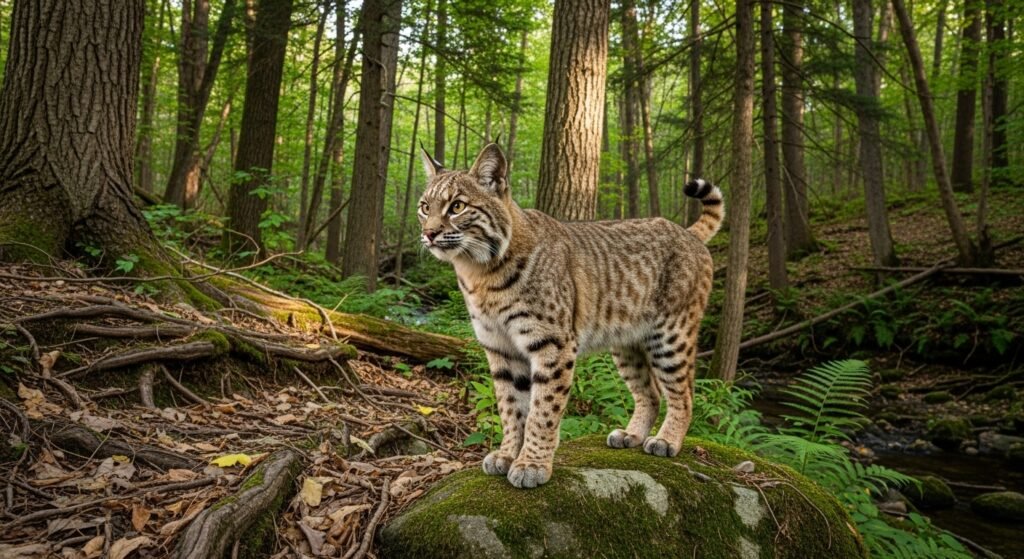
The rugged terrain of Pennsylvania supports one of the strongest bobcat populations in the Northeast. Conservation efforts and expanding forest cover over recent decades have helped these cats reclaim parts of their historic range.
Wisconsin’s Northern Forests
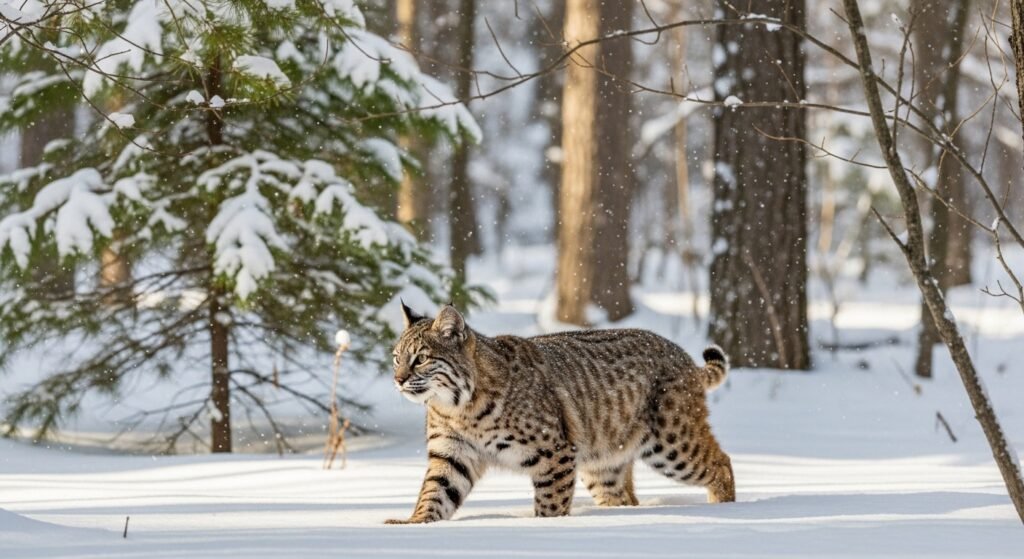
Northern Wisconsin offers dense forests and cold-tolerant prey species that sustain bobcats through long winters. Wildlife monitoring programs consistently report solid numbers, particularly in less populated northern counties.
Minnesota’s Remote Woodlands
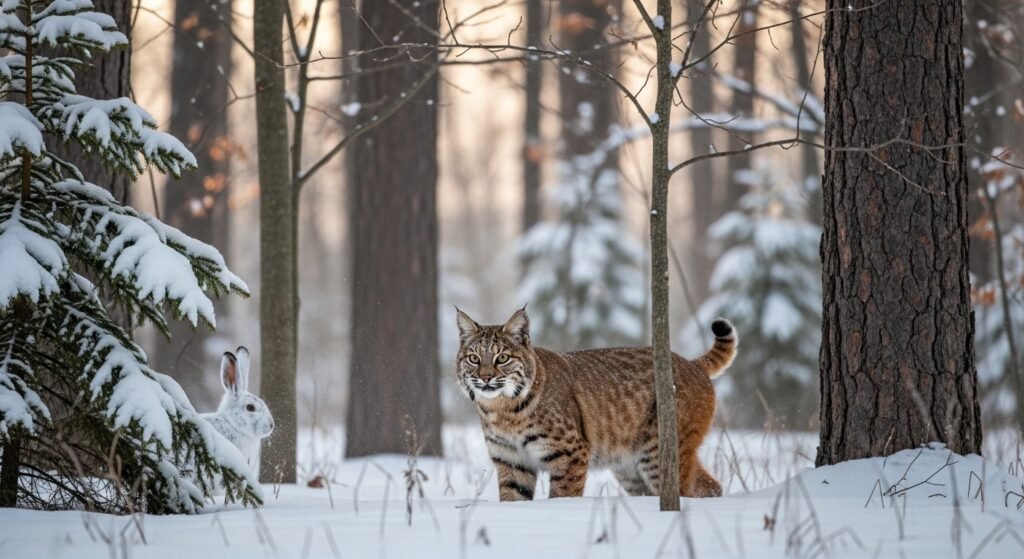
Large tracts of undeveloped land in Minnesota create ideal conditions for bobcats to roam widely. Their ability to hunt snowshoe hares and other cold-weather prey allows them to maintain stable numbers even in harsh climates.
Colorado’s Mountain Foothills
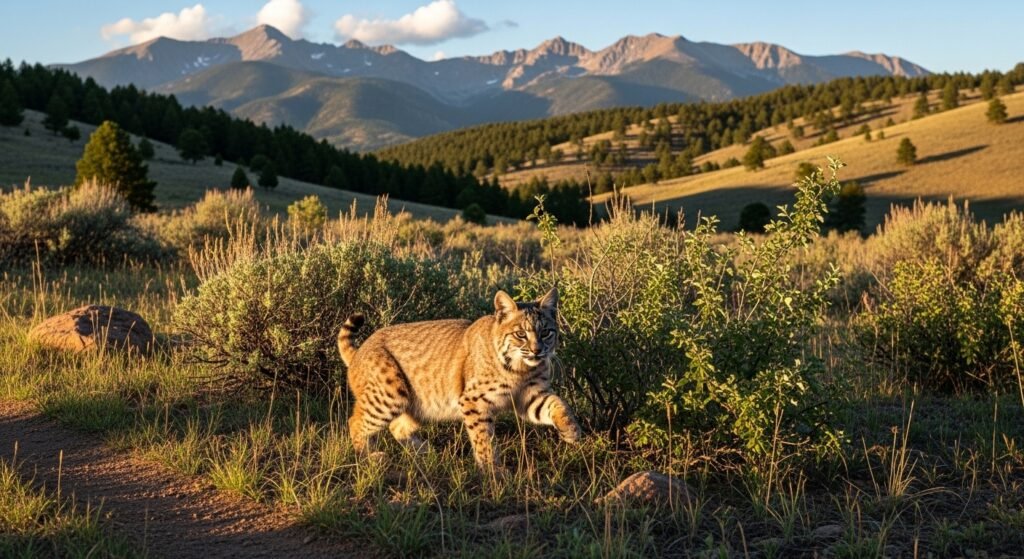
In Colorado, foothill ecosystems along the Rocky Mountains provide varied terrain and ample prey. Bobcats are frequently documented in forested slopes and shrublands where human development remains limited.
North Carolina’s Diverse Landscapes
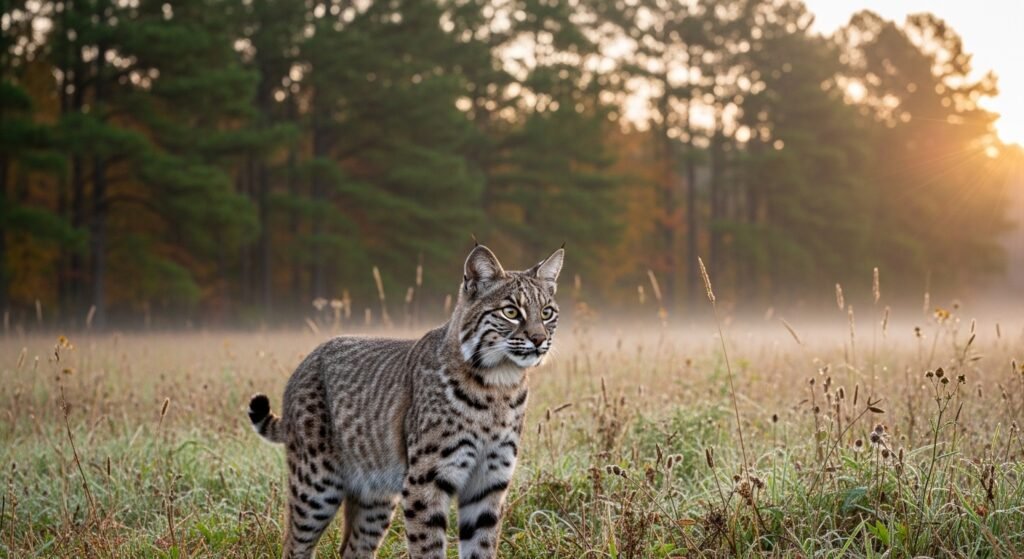
From Appalachian foothills to coastal plains, North Carolina supports healthy bobcat populations across multiple habitats. The species’ adaptability to forests, swamps, and even farmland edges helps explain its continued success.
