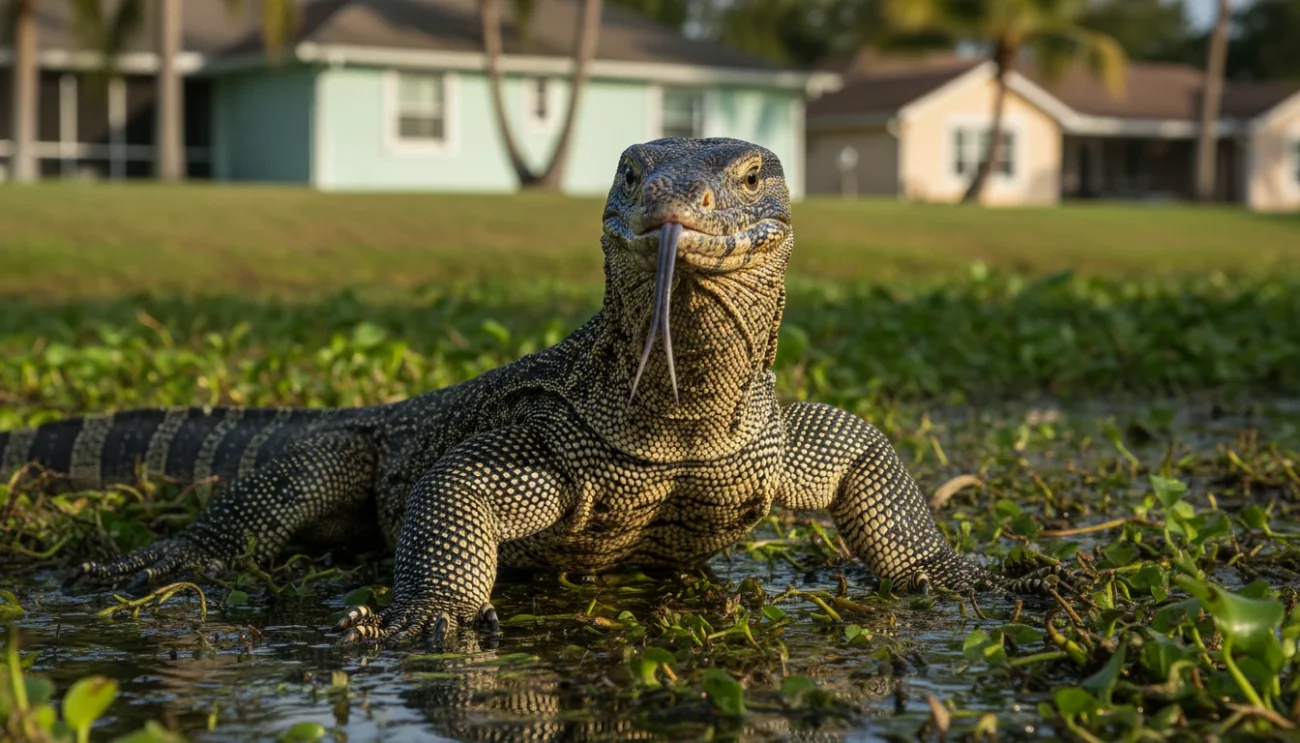
South Florida’s fragile ecosystems are no strangers to invasive species, yet a new arrival is drawing particular concern among scientists and wildlife officials. A large African lizard now roaming canals and neighborhoods has added another layer of complexity to an already delicate environmental balance. As sightings increase, experts are working to understand how this powerful reptile could reshape habitats across the region.
The Nile Monitor’s Arrival in Florida
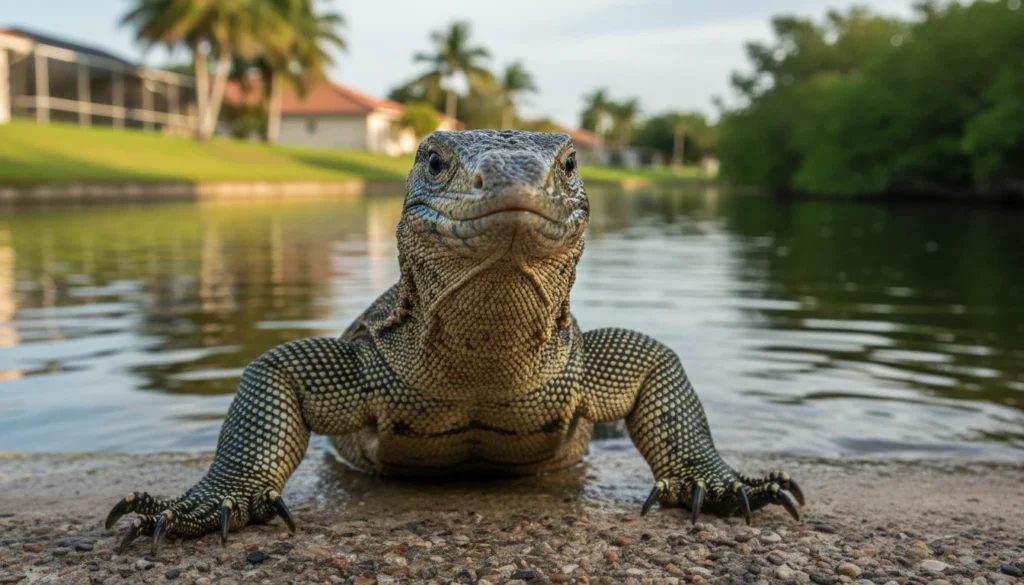
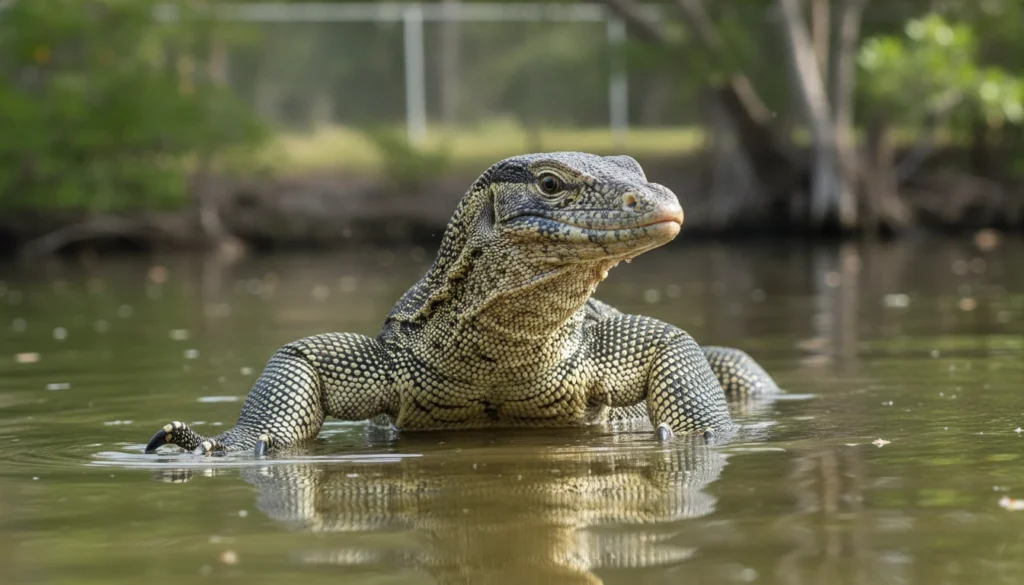
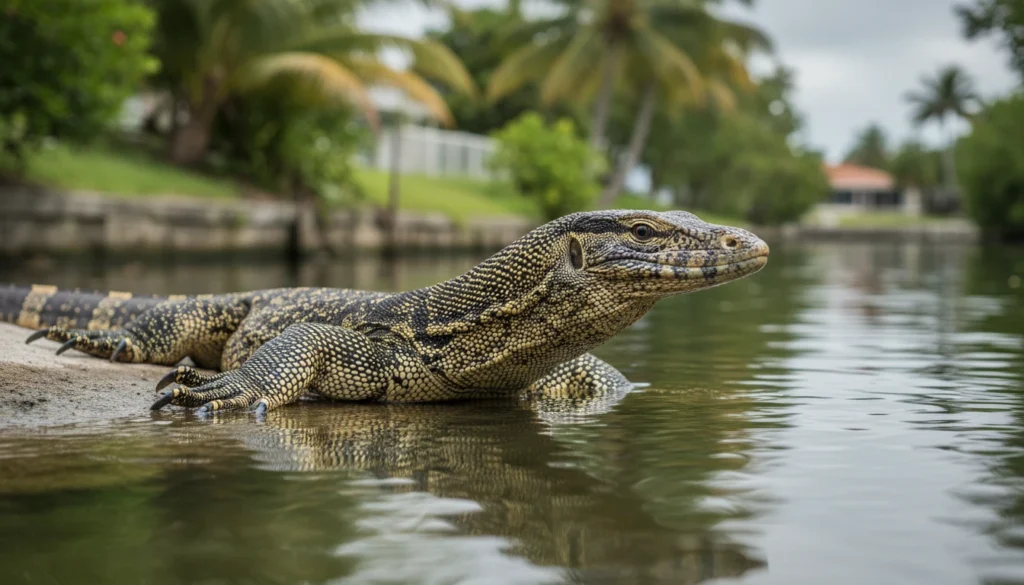
The species drawing attention is the Nile monitor, a reptile native to sub-Saharan Africa that can grow up to six feet long and is known for its strength, intelligence, and adaptability to a wide range of habitats. Established breeding populations have been confirmed in parts of South Florida, particularly in and around Cape Coral, where canal systems and warm temperatures closely resemble conditions in the lizard’s natural environment.
How the Reptile Found Its Way to the Sunshine State
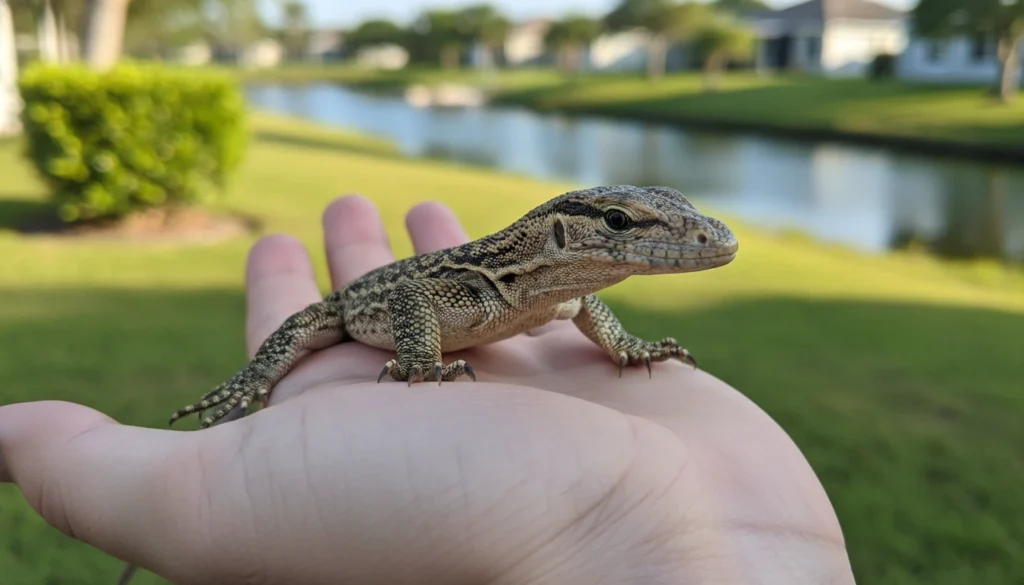
Wildlife officials believe the introduction of the Nile monitor is closely tied to the exotic pet trade, as young lizards are sometimes sold to buyers who later underestimate their rapid growth and specialized care requirements. Over time, intentional releases and accidental escapes allowed small numbers of these reptiles to survive and reproduce in the wild, gradually forming stable populations that are now difficult to remove.
Why South Florida Is Especially Vulnerable
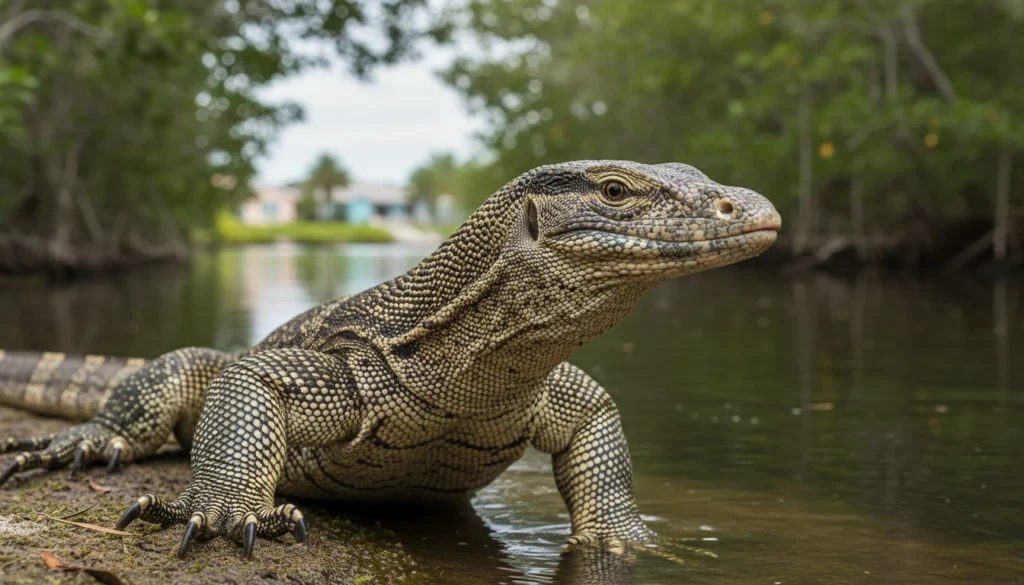
South Florida’s subtropical climate, extensive wetlands, and dense canal networks provide ideal shelter and abundant food sources for large reptiles that thrive in warm conditions year round. The region has already experienced ecological strain from invasive species such as the Burmese python in Everglades National Park, and the arrival of another formidable predator adds pressure to ecosystems that are still recovering.
A Predator With a Broad Appetite
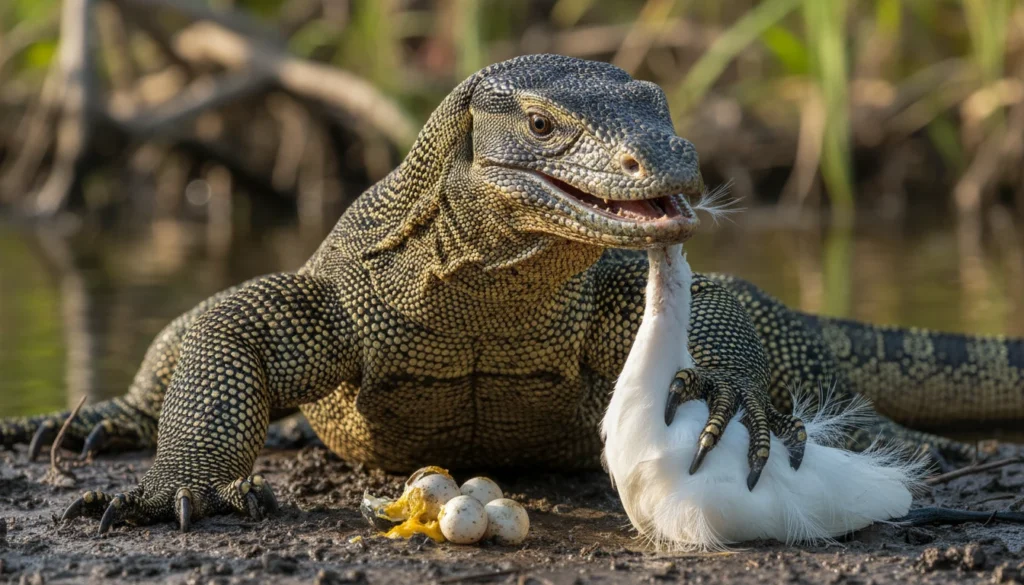
Nile monitors are opportunistic hunters capable of feeding on fish, birds, small mammals, reptiles, and eggs, which gives them a competitive edge in unfamiliar environments. Their varied diet increases the likelihood that they will compete with native species for food while also directly preying on vulnerable wildlife that has not evolved defenses against such a large and agile predator.
Ecological Ripple Effects
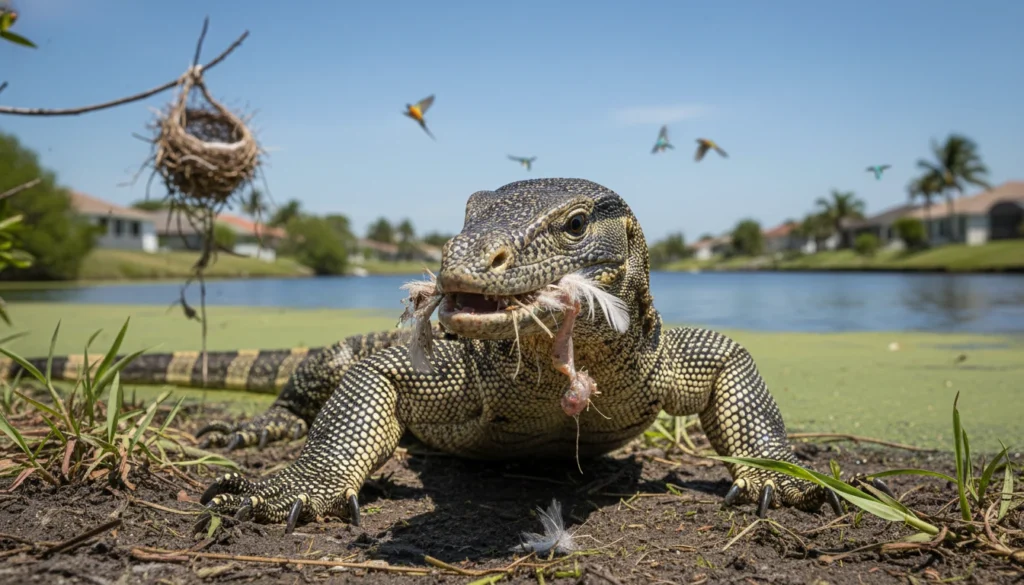
When a top level predator becomes established outside its native range, the effects can cascade through the food web in subtle but lasting ways. Changes in prey populations may alter plant communities, disrupt nesting patterns, and create imbalances that are difficult to predict, making early intervention critical for long term ecosystem stability.
Challenges in Containment and Removal
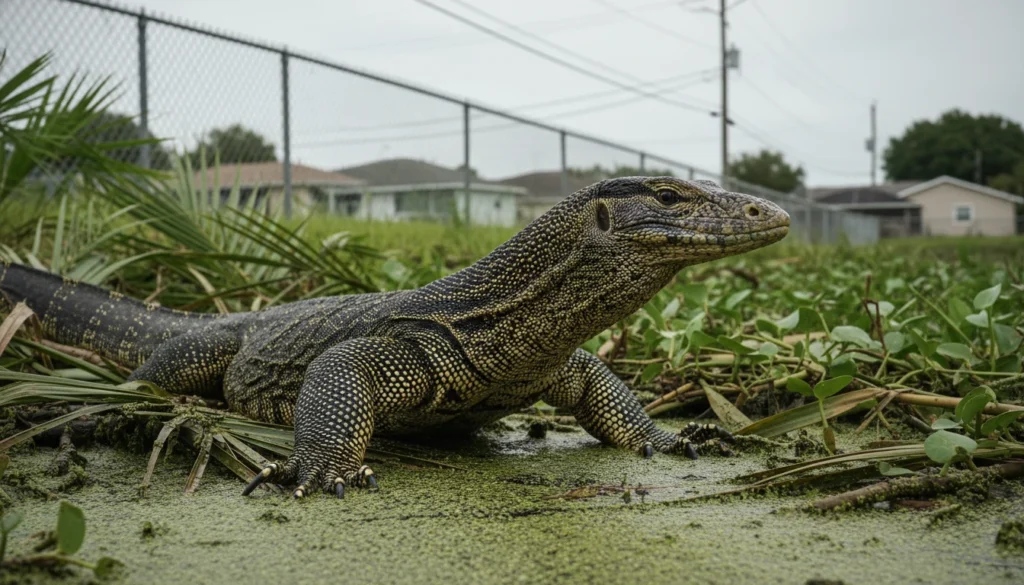
Managing a species that is strong, intelligent, and comfortable in both water and on land presents significant logistical challenges for wildlife agencies. Trapping efforts require time, funding, and public cooperation, while dense vegetation and private property boundaries complicate large scale removal operations.
Public Safety and Community Concerns
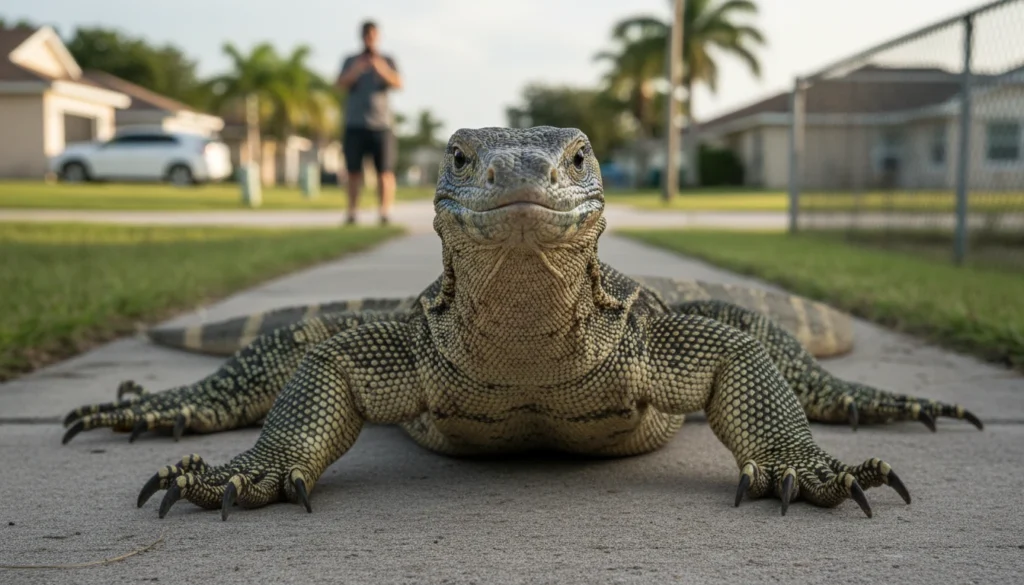
Although Nile monitors generally avoid direct contact with people, their size and sharp claws can pose risks if they feel threatened or cornered. Residents who encounter one are encouraged to maintain distance and report sightings to the Florida Fish and Wildlife Conservation Commission, which monitors populations and coordinates response strategies.
Lessons From Past Invasions
Florida’s history with non native reptiles has demonstrated that early detection and rapid response offer the best chance of limiting long term damage. Once an invasive species becomes firmly established across a wide area, eradication becomes far more costly and in some cases nearly impossible.
What Comes Next for South Florida’s Ecosystems
Scientists continue to study how widely Nile monitors have spread and whether additional populations exist beyond known hotspots. Long term management will likely depend on a combination of public awareness, consistent monitoring, and stronger regulations surrounding the trade and ownership of large exotic reptiles, all aimed at protecting South Florida’s unique and irreplaceable natural landscapes.
