
The process of adopting a pet brings joy to people, but successful outcomes require accurate understanding of the situation. Each pet needs specific care requirements which determine their behavioral patterns and duration of ownership obligations. The process of assessing your home environment together with your daily activities and available space results in a better adaptation process for your household and new pet. The decision requires examination of ten specific factors which need thorough evaluation.
Assess Your Family’s Daily Schedule

Households with extended work or educational commitments should select pets that can handle time spent alone. Families with flexible schedules often enjoy animals that thrive on frequent interaction and companionship.
Consider Energy Levels

Active families who enjoy outdoor activities tend to develop strong connections with high-energy dog breeds. Quieter homes often prefer pets with calmer temperaments, such as certain cat breeds or small mammals.
Evaluate Living Space
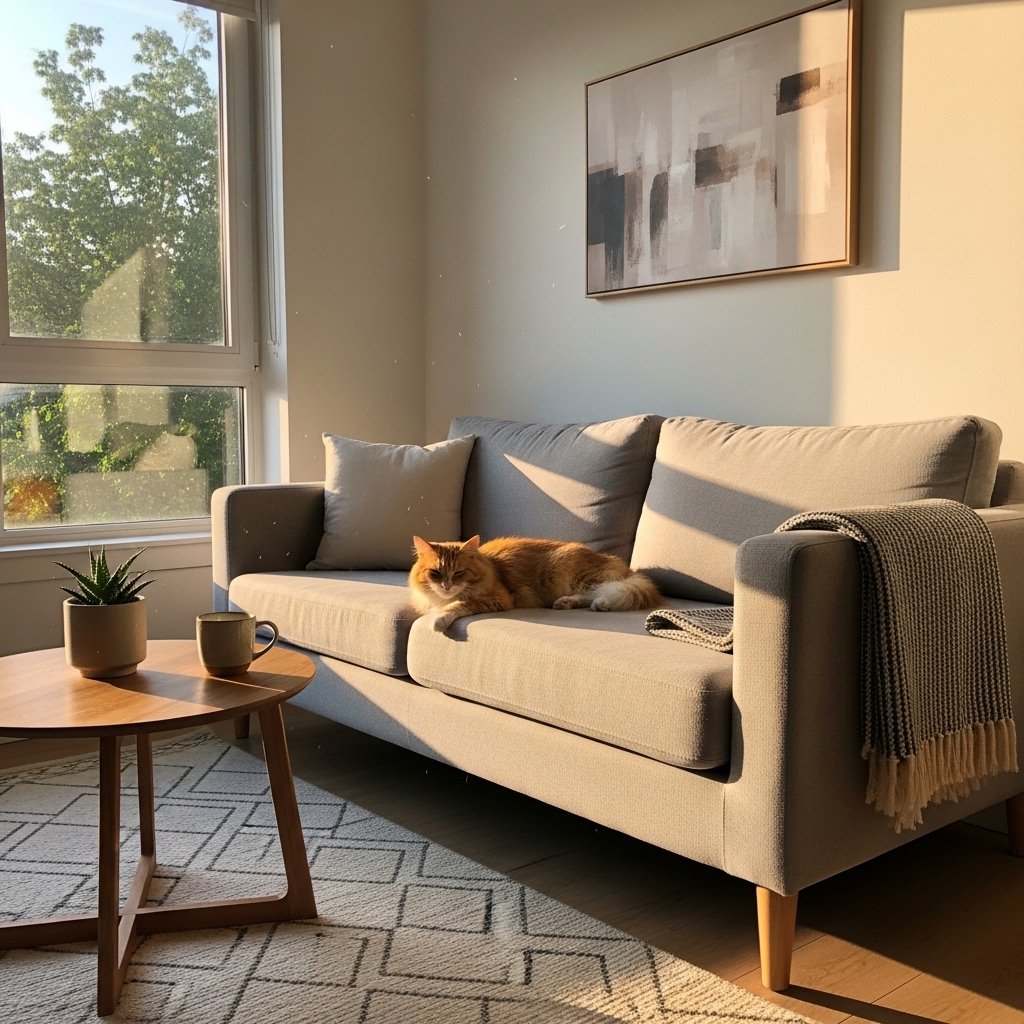
Apartment living may suit smaller pets or lower-activity breeds. Families with outdoor space can take care of bigger dog breeds which need more room to run.
Think About Allergies

Before making a decision about pet ownership you should check if any member of your household has allergies to specific animals. People can determine their comfort level through direct experience with different species or breeds.
Factor in Grooming Needs

Some pets require regular grooming which includes brushing and nail maintenance and coat care. Other animals require basic maintenance. Different species and breeds require different lengths of grooming time and different grooming expenses.
Research Lifespan Commitment

The research needs to examine the entire lifespan of all different types of pets. The life expectancy of some dog and cat breeds extends beyond ten years while certain bird and reptile species can live for multiple decades.
