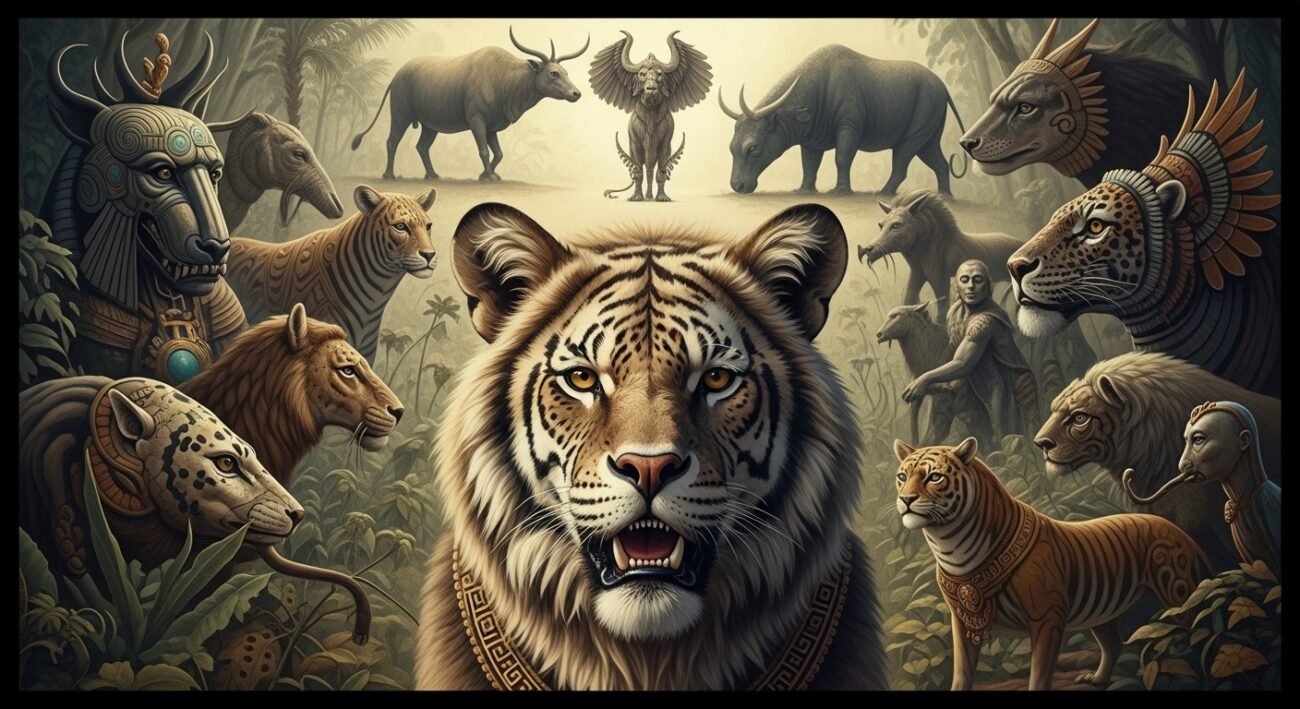
The ancient world viewed animals as more than mere wildlife because they served as symbols representing power, protection, and the mysteries of life. Some people considered these creatures to be holy messengers who delivered messages from the gods while others created an impression that these creatures needed to be approached with both respect and fear. The creatures from desert kingdoms proved to be vital elements which created the mythical stories and sacred ceremonies and artistic expressions of jungle empires. The nine animals presented here served as sacred beings who ancient cultures regarded with their highest honors.
Cat – Sacred in Ancient Egypt
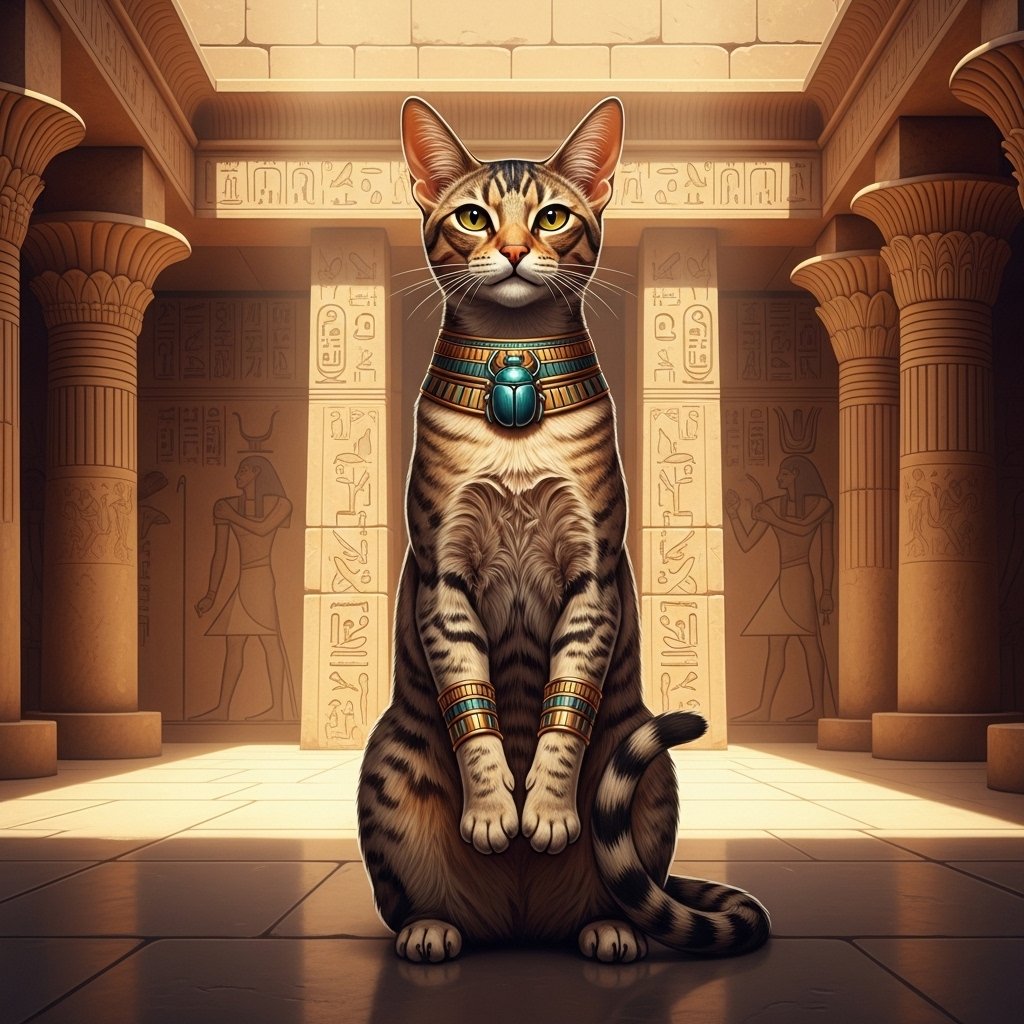
Ancient Egyptians considered cats to be sacred animals which they dedicated to the goddess Bastet. The animals represented the sacred domains of protection and fecundity and domestic peace. Families treated their cats with deep respect and people who harmed these animals faced severe punishment. The cats possessed a secretive nature which caused people to believe they held magical powers.
Falcon – Divine Messenger in Egypt
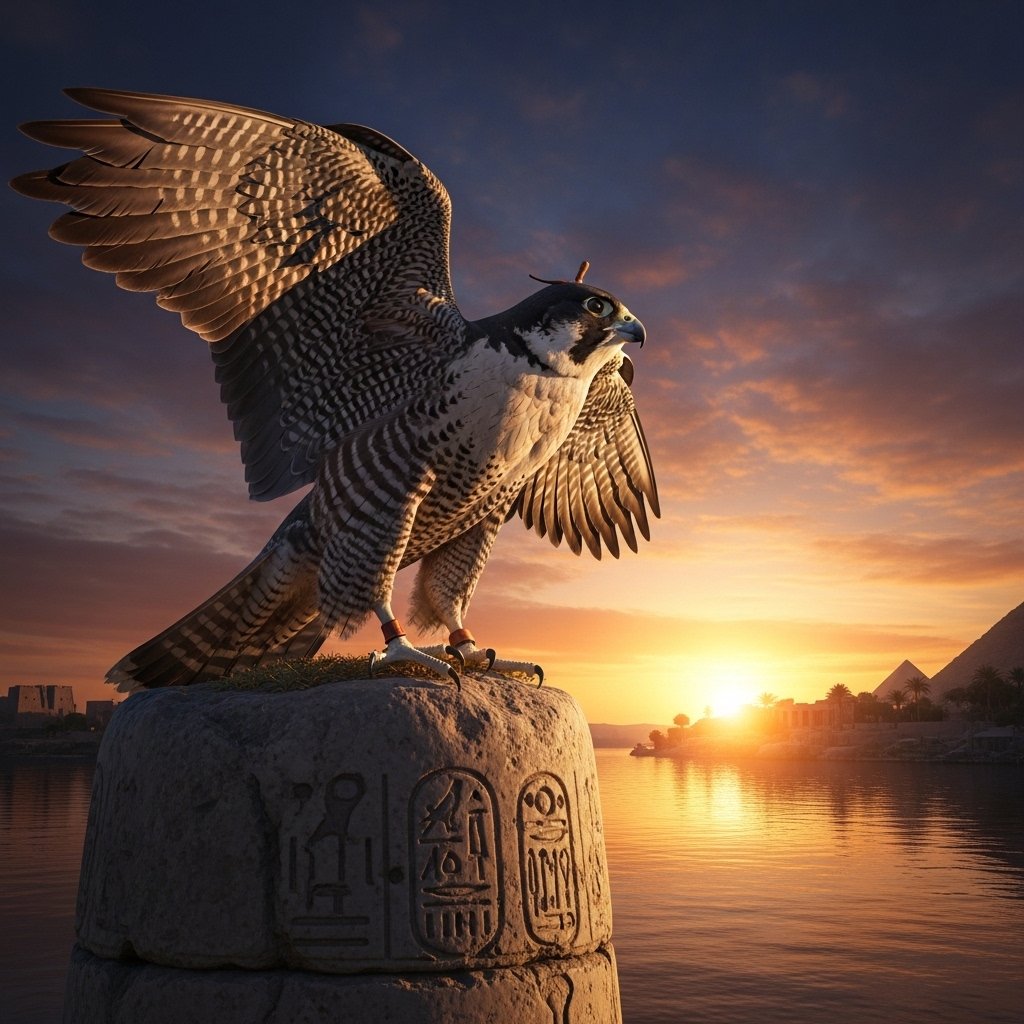
The falcon represented the sky god Horus. Its sharp eyesight and controlled flying ability enabled it to demonstrate both royal power and godly protection. Pharaohs used falcon symbols to establish their royal status and show their power.
Jaguar – Power Symbol in Mesoamerica
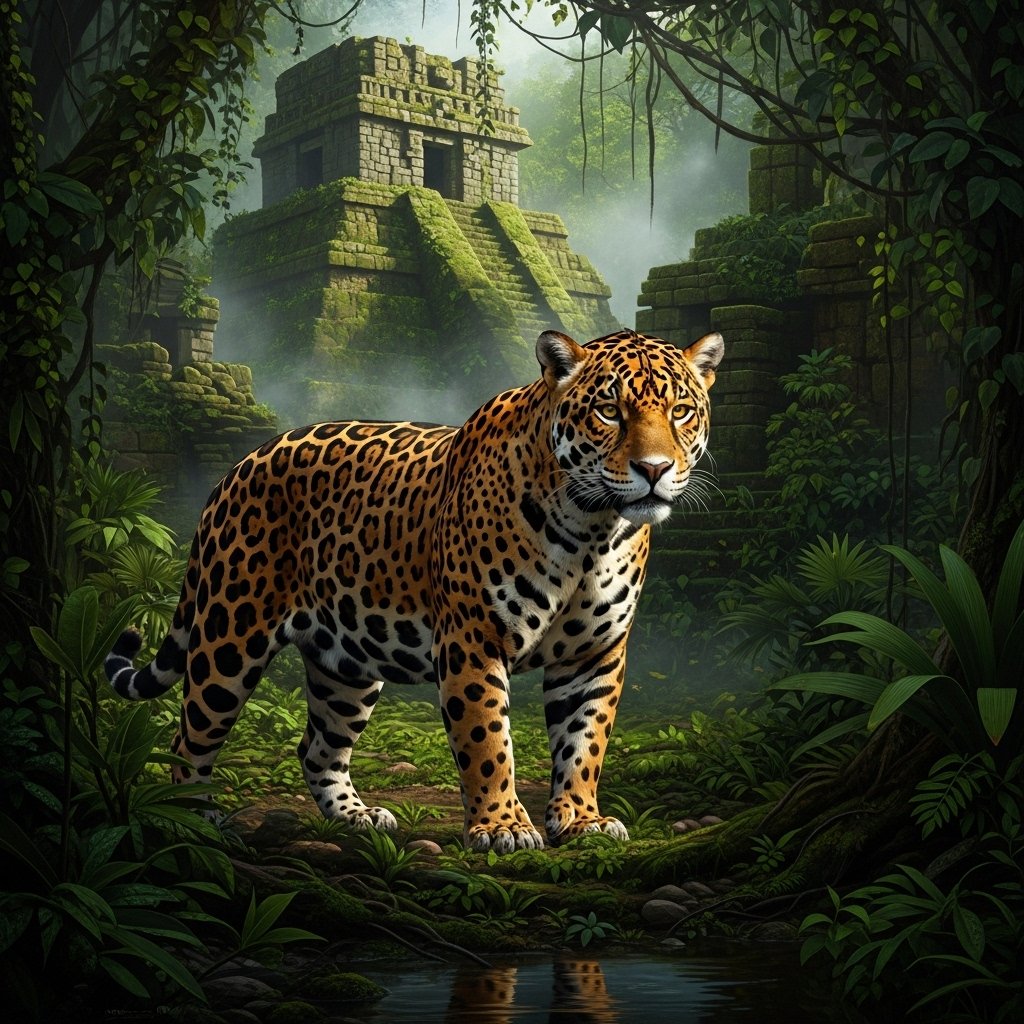
The jaguar served as a powerful symbol for Maya and Aztec civilizations which used it to represent their dangerous strength and their association with the nighttime and the spiritual realm. Rulers and warriors used jaguar symbols to demonstrate their courageous nature and their powerful position. The creature commanded both admiration and respect because of its ability to move silently through the forest while possessing great physical power.
Wolf – Totemic Guide in Rome
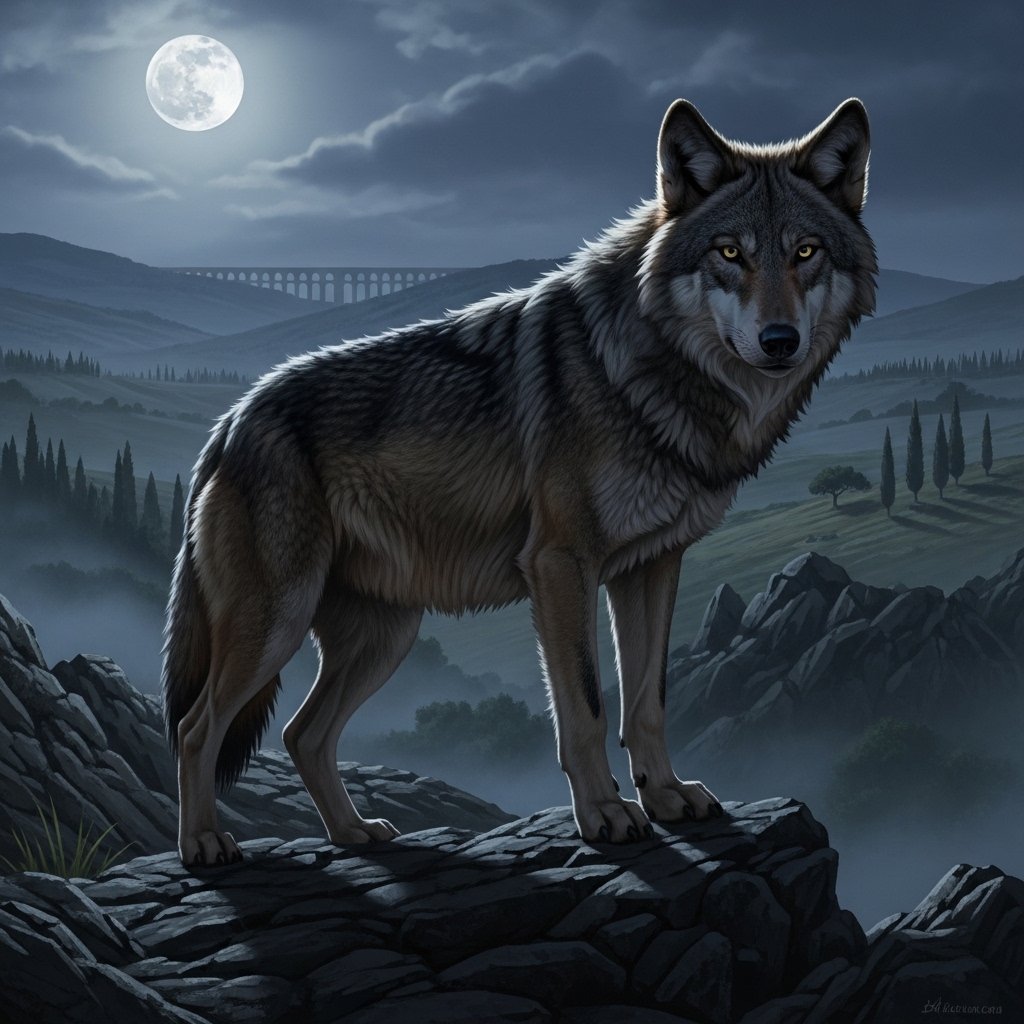
A she-wolf nursed the legendary Roman founders Romulus and Remus according to Roman mythology. The wolf symbolized protection which helped people stay alive. The wolf gained admiration because of its powerful physical abilities and ability to endure harsh conditions but it also represented the wild nature that exists in untouched territories.
Crocodiles – Feared and Revered Along the Nile

This section presents information about crocodiles which different Egyptian people considered both dangerous and sacred throughout the entire Nile River area. Ancient Egyptians associated crocodiles with the god Sobek. The crocodiles which inhabited the Nile River served as dangerous yet vital creatures for farming activities. The Sobek temples established a balanced approach for showing respect to his divine power while maintaining proper limits.
Snake – Symbol of Renewal in Many Cultures
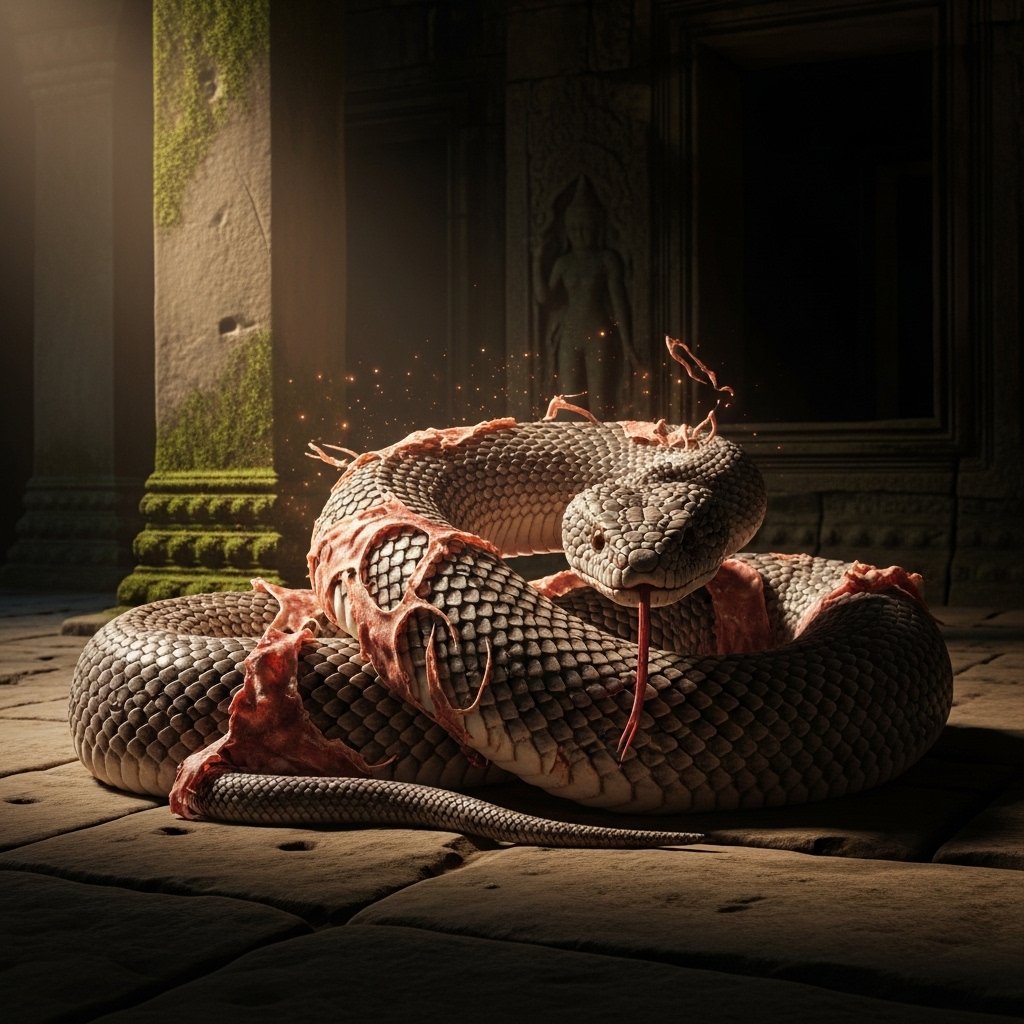
The traditions of Greek and Indian and Mesoamerican cultures all include snakes as important symbols. The process of shedding their skin allowed snakes to demonstrate their ability to undergo complete transformation through rebirth. Their venom functioned as a death threat which also concealed their essential strength.
Eagle – Emblem of Power in Rome
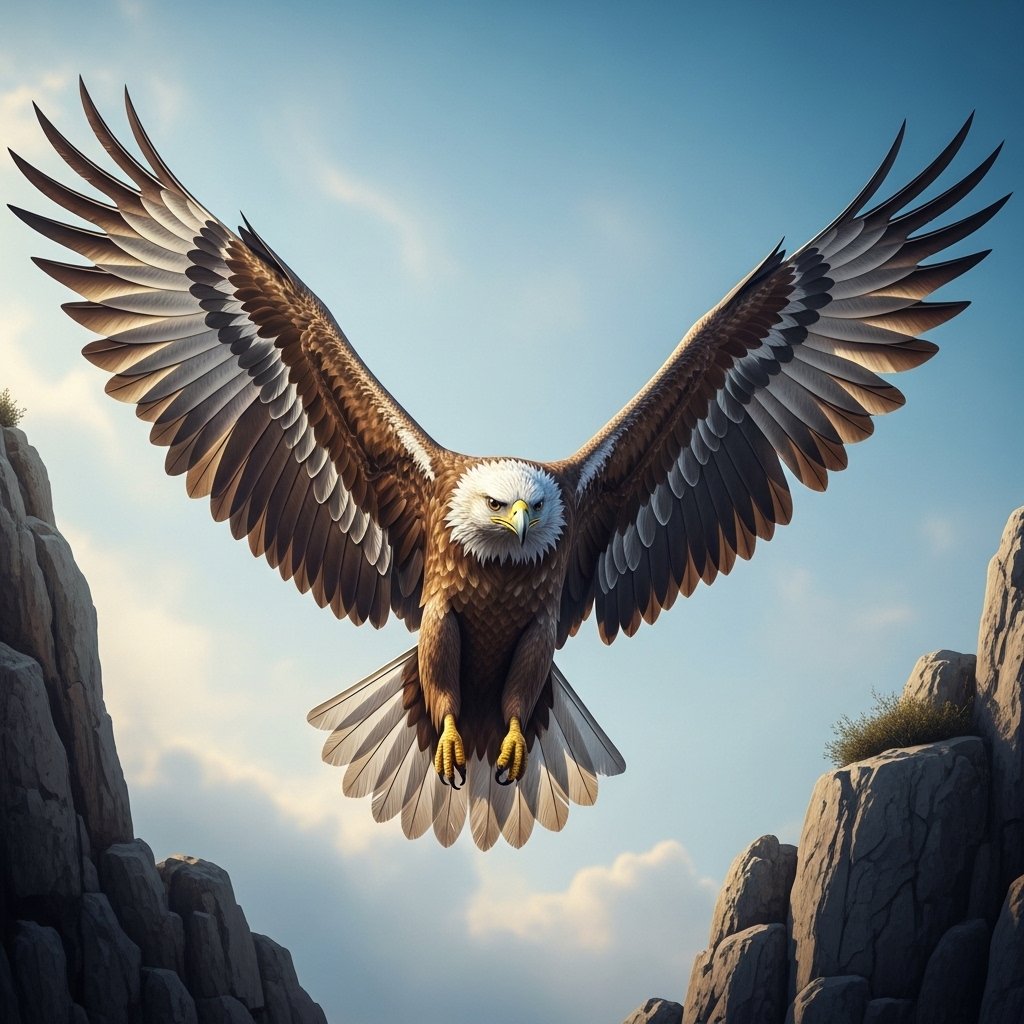
The eagle became a symbol of Roman military strength. The standard-bearers entered combat while carrying eagle insignia which showed their connection to divine protection and military power.
Bull – Strength in Mesopotamia
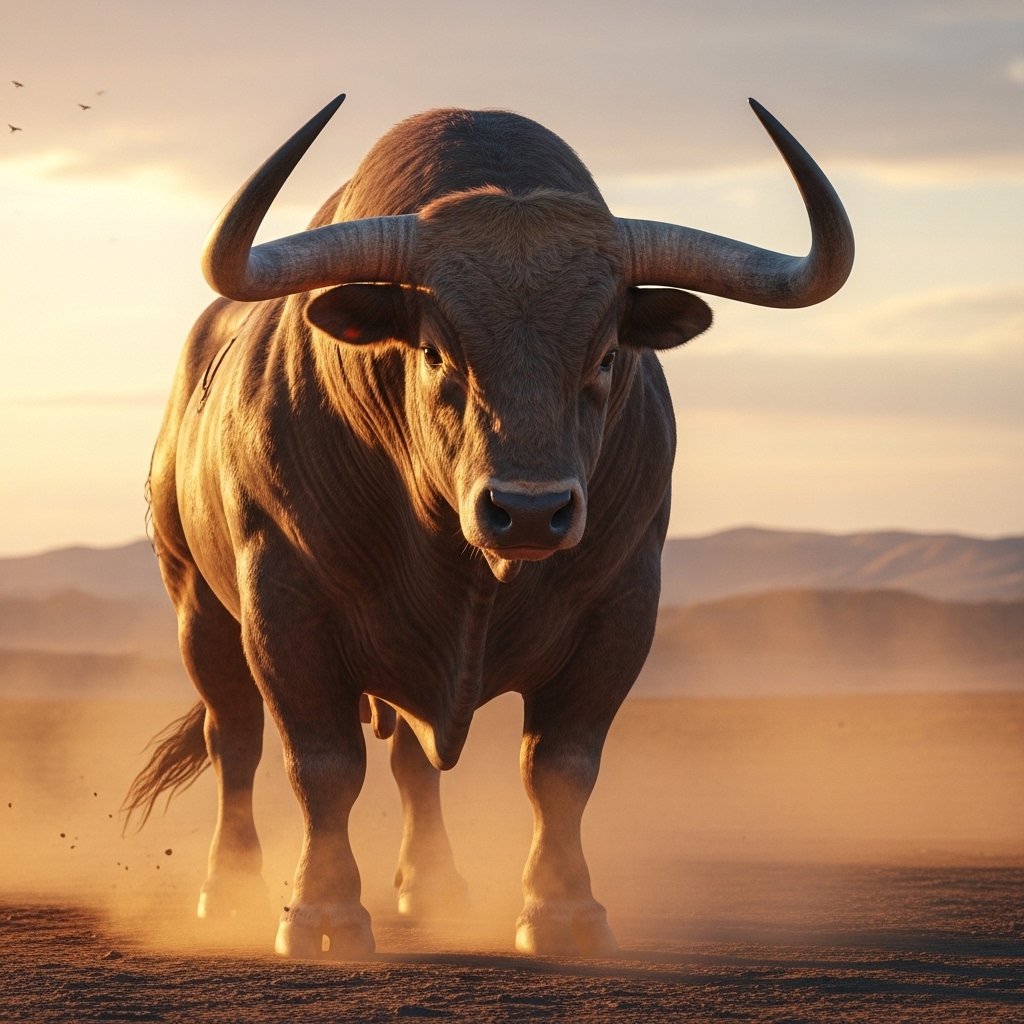
Bulls served as symbols of fertility and power and cosmic authority within ancient Mesopotamian cultures. The winged bull statues functioned as protective statues that secured the entrances of cities.
Elephant – Sacred Wisdom in South Asia
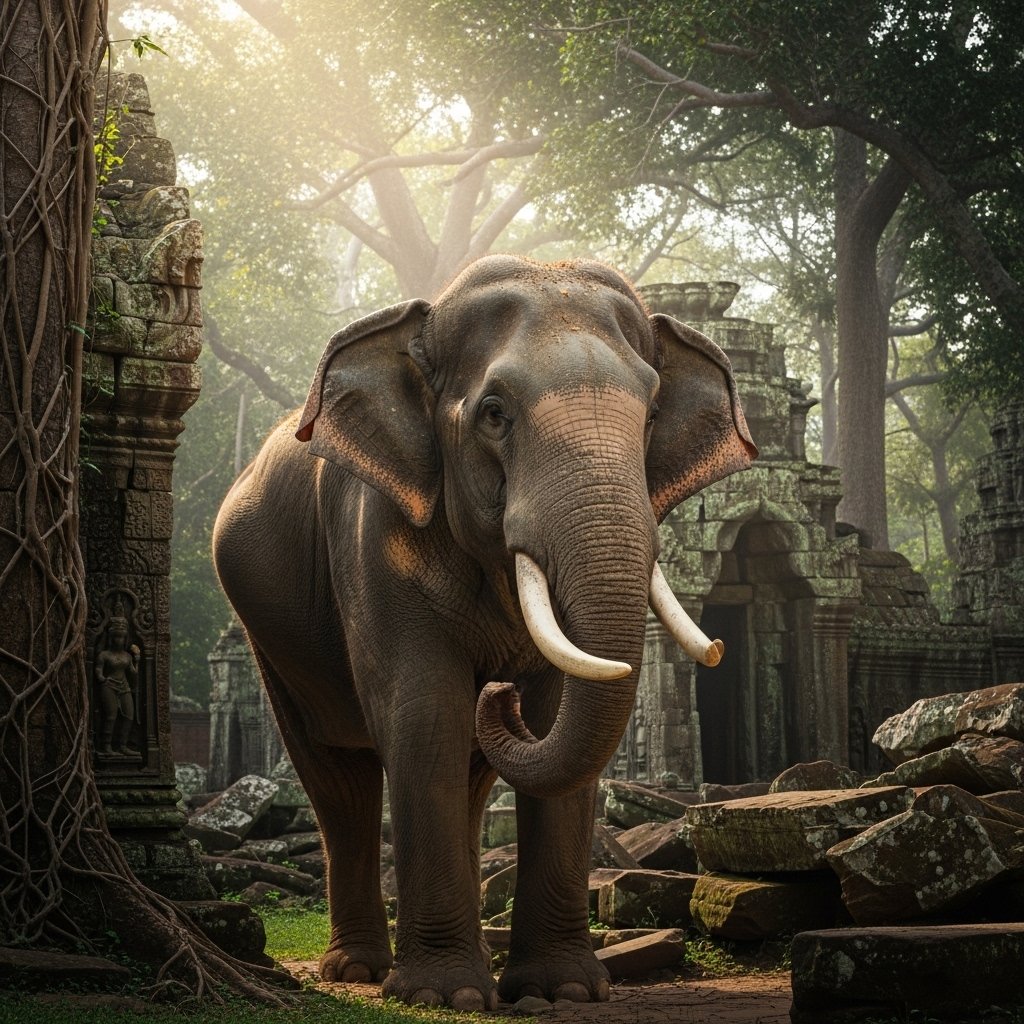
In South Asian regions elephants functioned as symbols of wisdom and power. The Ganesha deity shows himself with an elephant head which represents intelligence and the ability to overcome challenges. The massive presence of the objects which created the space between holy sites and other locations resulted in people showing both respect and deep admiration.
