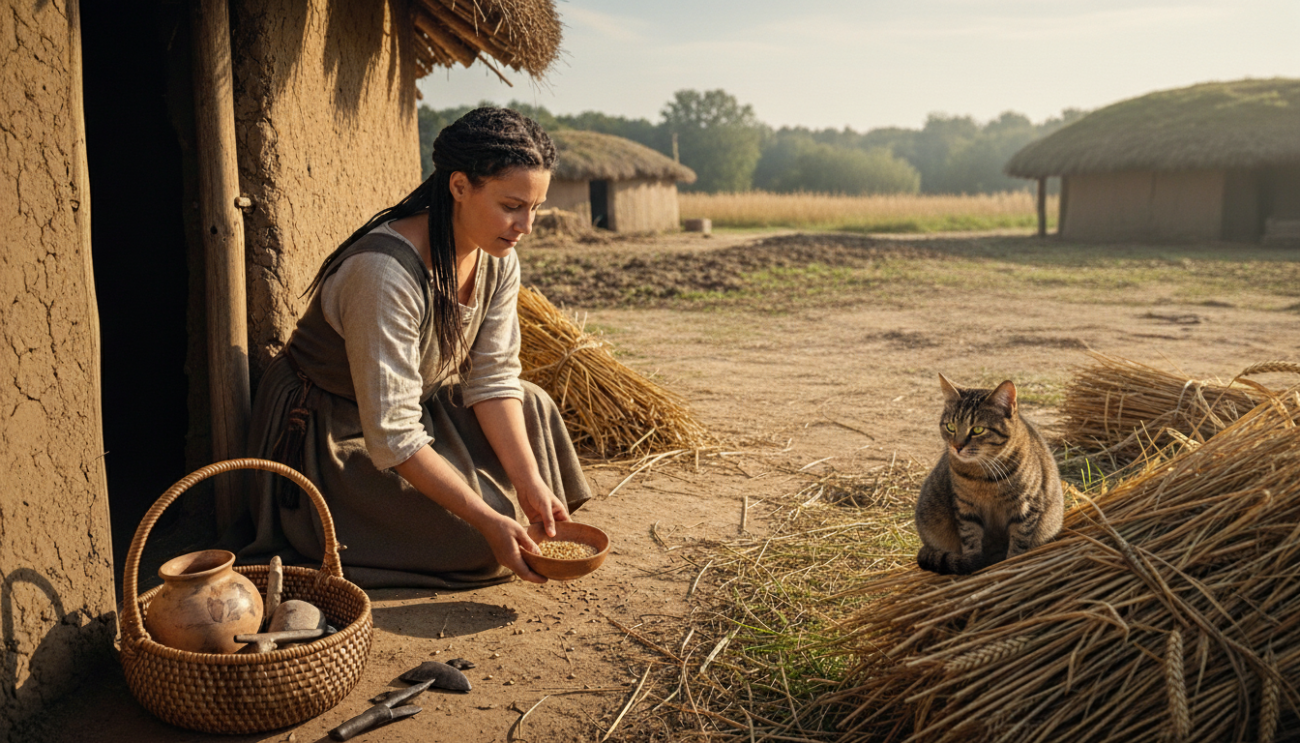
For thousands of years, cats have shared our homes, our farms, and even our sacred spaces, yet the reason we first welcomed them into human life has long puzzled historians. Recent archaeological discoveries are shedding light on this enduring relationship, revealing that practicality, mutual benefit, and subtle companionship shaped one of humanity’s most successful partnerships with the animal world.
The Ancient Burial That Changed Everything
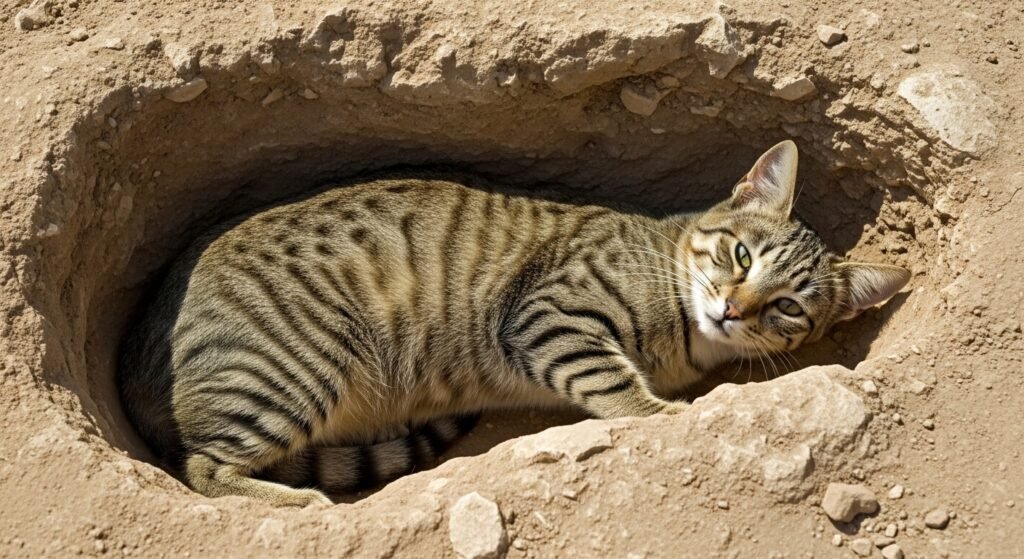
In 2004, researchers working at Shillourokambos uncovered a 9,500 year old grave containing a human carefully buried beside a cat, a discovery that pushed back the timeline of feline domestication by several thousand years. Because the island of Cyprus had no native wildcats, the animal must have been transported there by sea, proving that early farmers valued cats enough to bring them deliberately into their communities.
Farming Created the Perfect Opportunity

Archaeologists now believe that the rise of agriculture in the Near East created ideal conditions for cats and humans to form a lasting alliance built on shared interests. As grain storage attracted rodents in large numbers, wildcats that hunted near human settlements gained reliable access to prey, while farmers benefited from natural pest control that protected precious food supplies.
Wildcats That Chose to Stay
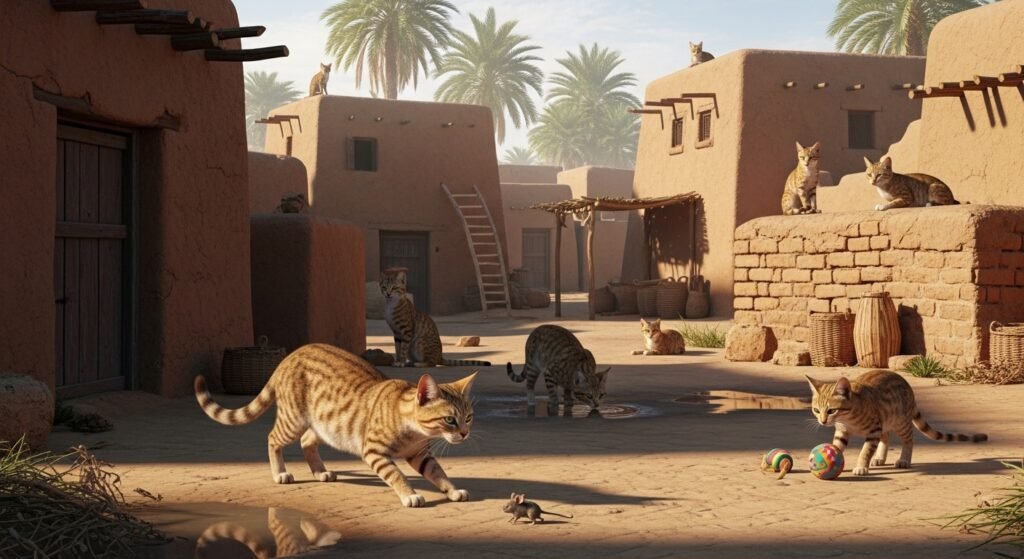
Unlike many domesticated animals that were actively bred and confined, early cats likely domesticated themselves by gradually adapting to human environments. The least fearful and most tolerant wildcats thrived near villages, and over generations this quiet selection process led to animals that were comfortable living alongside people without losing their hunting skills.
Reverence in Ancient Civilizations
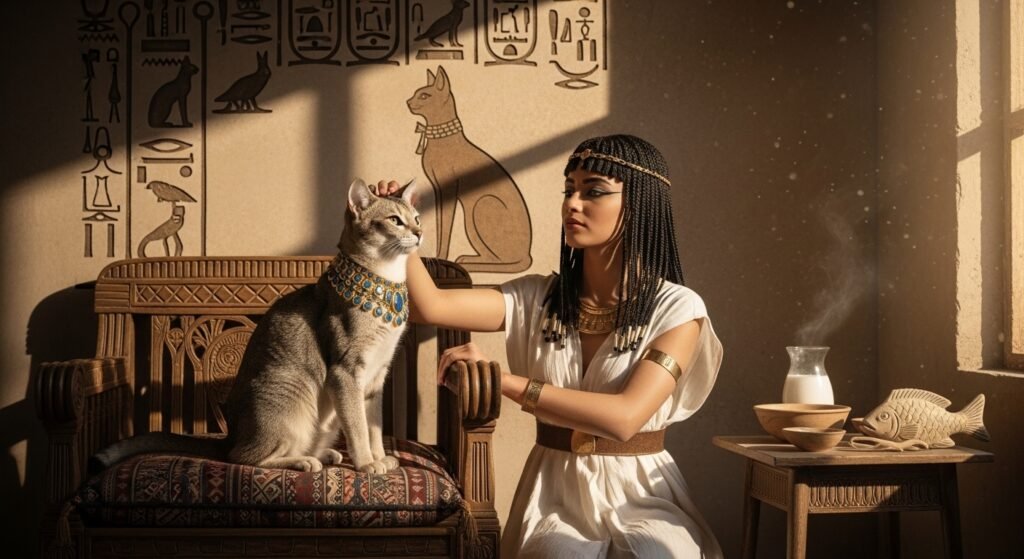
By the time of Ancient Egypt, cats had moved beyond practical farm helpers and into the realm of spiritual symbolism and household protection. Artistic depictions, mummified remains, and temple offerings show that Egyptians admired cats for their grace and vigilance, reinforcing their place not only in homes but also in cultural identity.
A Partnership Built on Mutual Advantage
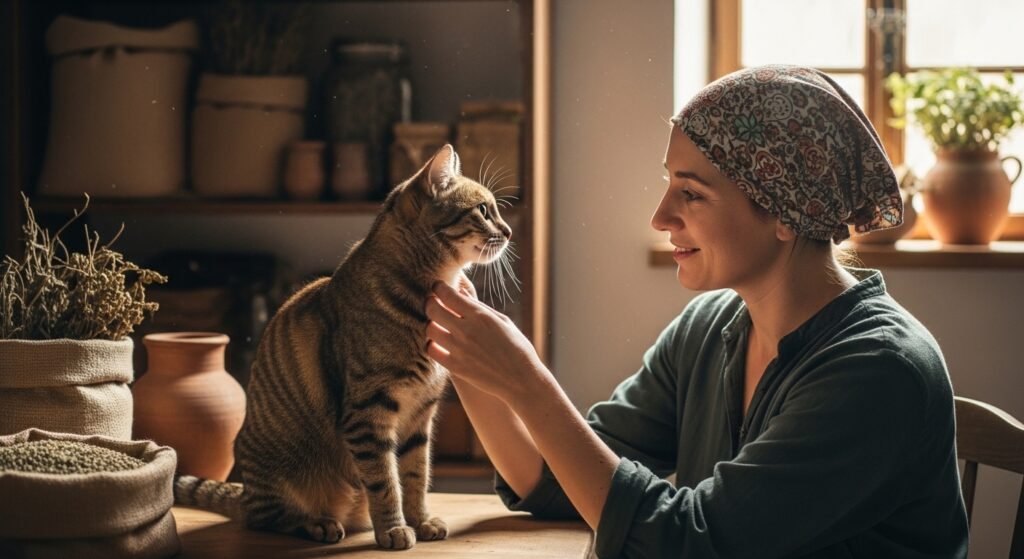
What makes the cat human relationship unique is that it was never entirely one sided, since both species gained measurable benefits without dramatic changes to their natural behavior. Humans received protection for their food stores, while cats gained consistent hunting grounds and relative safety within settlements.
The Science Behind Modern Cat Behavior
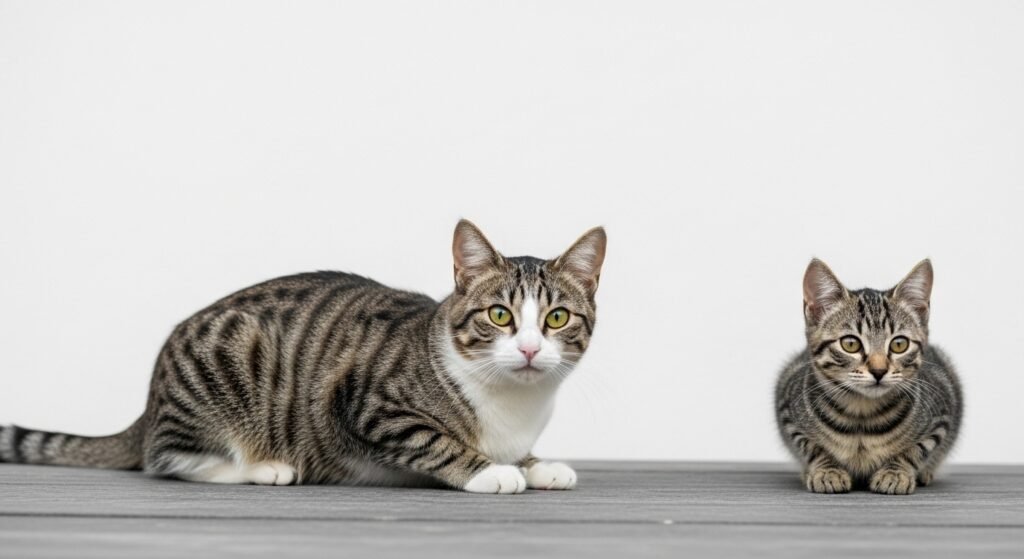
Genetic studies confirm that domestic cats remain closely related to their wild ancestors, explaining why many retain strong hunting instincts and independent temperaments. Archaeologists and biologists agree that this limited genetic divergence reflects a domestication process driven more by coexistence than by intensive breeding.
From Barn Guardians to Household Companions
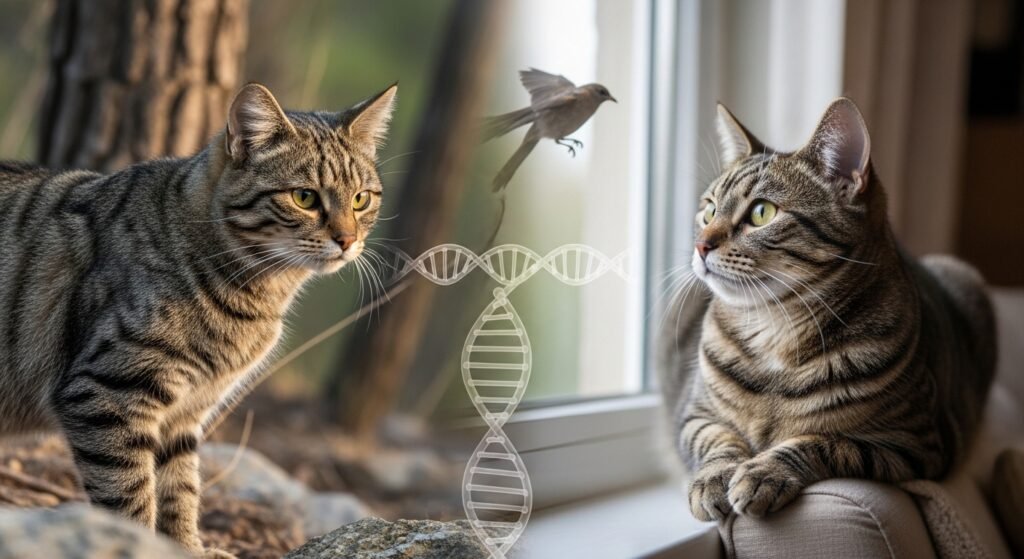
Over centuries, as urban living replaced rural farming for much of the population, the practical role of cats gradually blended with companionship. Historical records from medieval Europe describe cats living inside homes not only for pest control but also as valued members of the household.
Why We Still Welcome Them Today
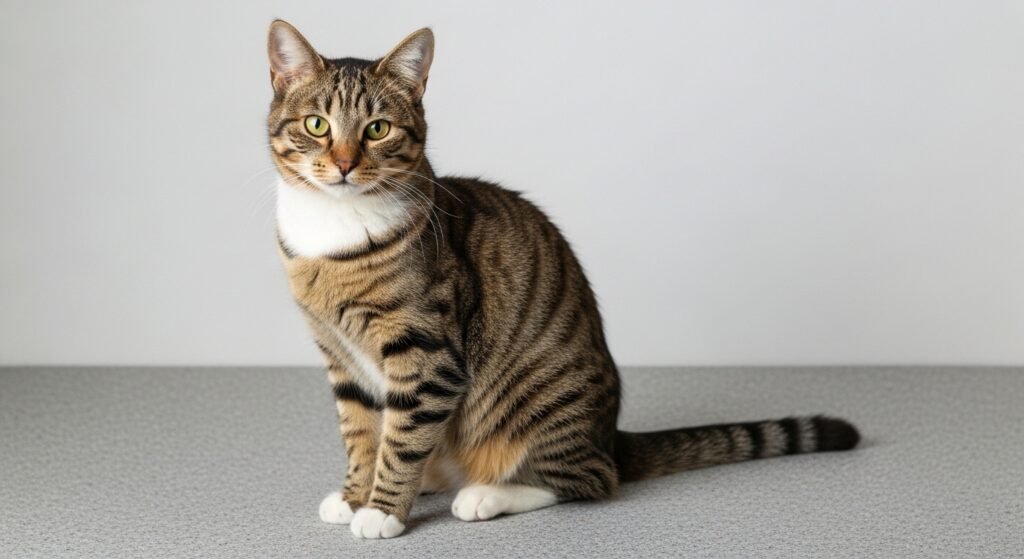
The archaeological record suggests that we keep cats because they entered human society on their own terms, forming a relationship based on balance rather than domination. Their quiet presence, natural skill, and ability to coexist without demanding constant management created a bond that has endured for nearly ten millennia and continues to shape our homes today.
