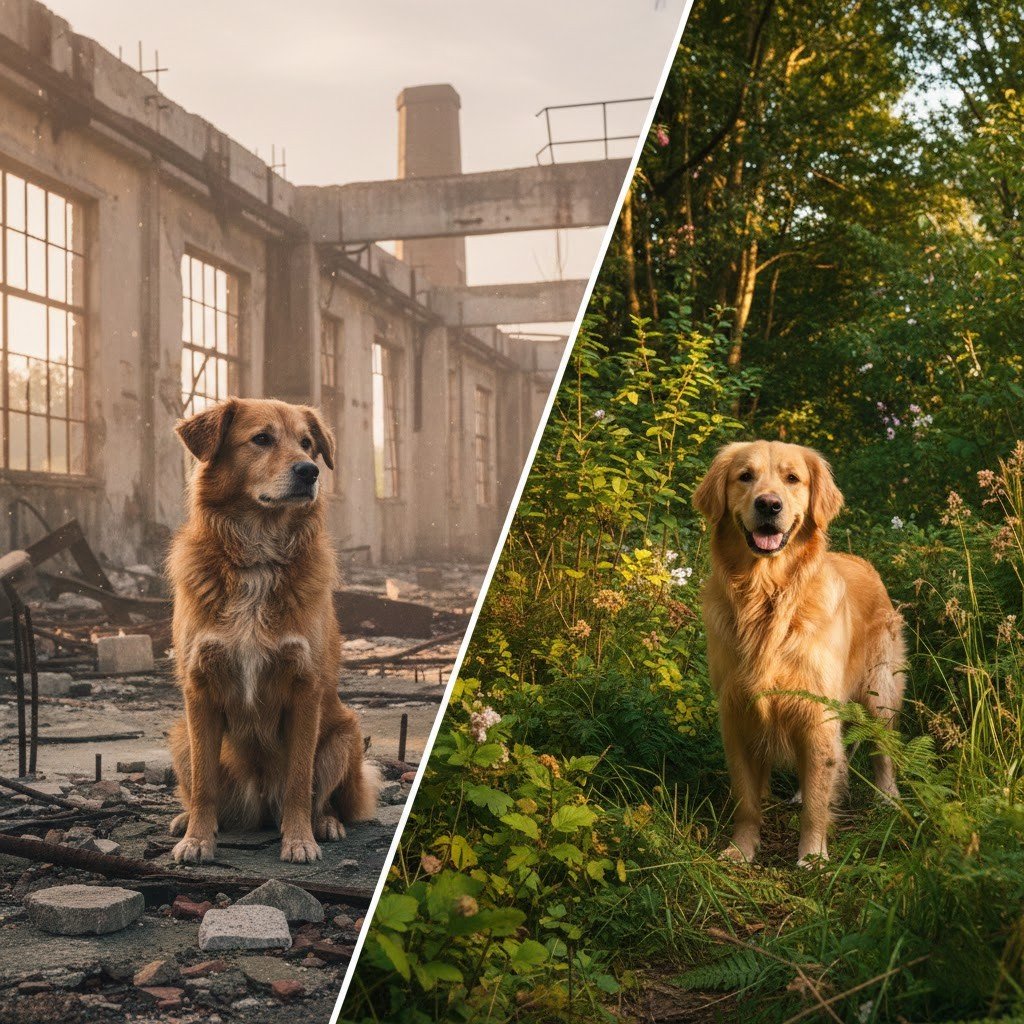
Following the 1986 nuclear incident, people abandoned Chernobyl, yet a number of animals remained. Hundreds of stray dogs are also among them, which are the descendants of pets left behind. Decades of isolation and radiation have made the survival conditions abnormal. It is believed that such dogs are not aging at a normal rate because of their extreme environment, as scientists believe that these dogs are changing faster than normal.
Constant exposure to radiation
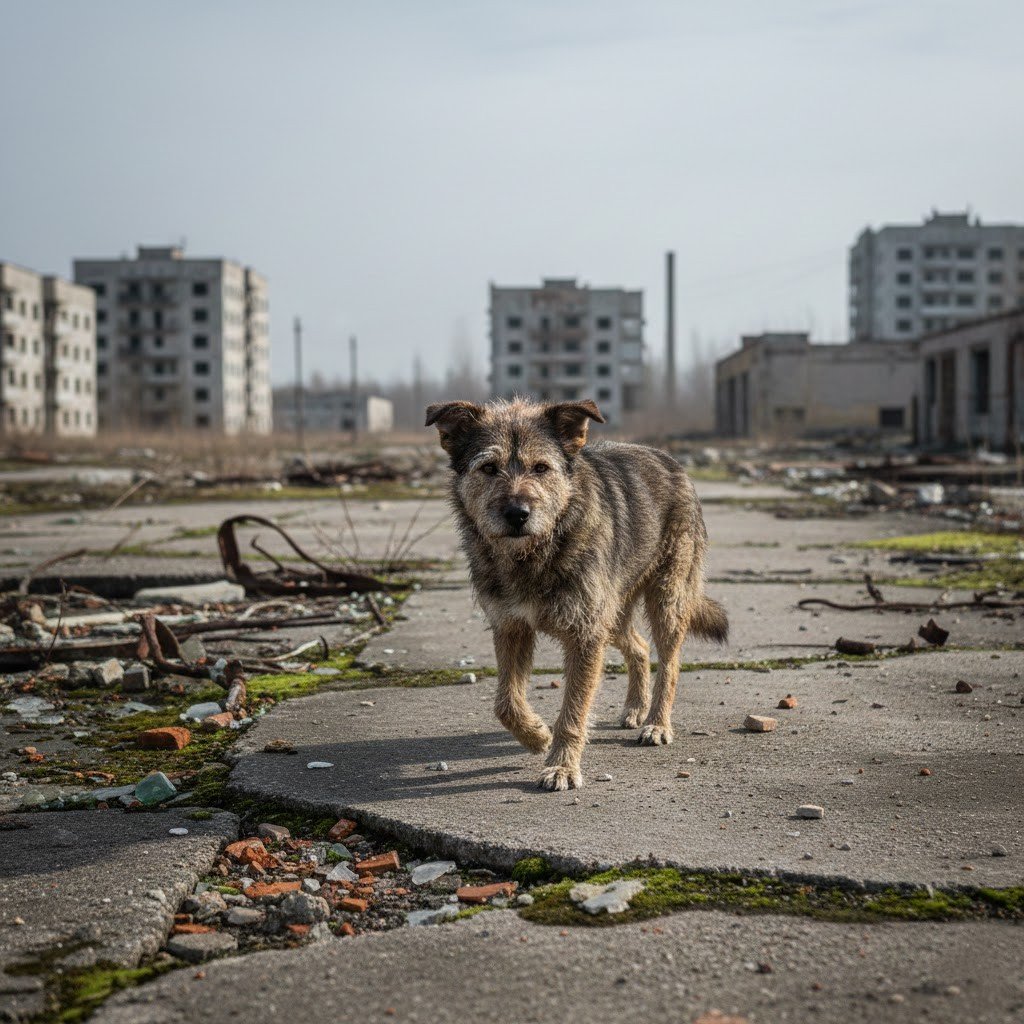
Radioactive levels remain present in the environment. This constant exposure also has the potential to impact DNA and cause amplification of genetic diversity.
Natural selection happens faster
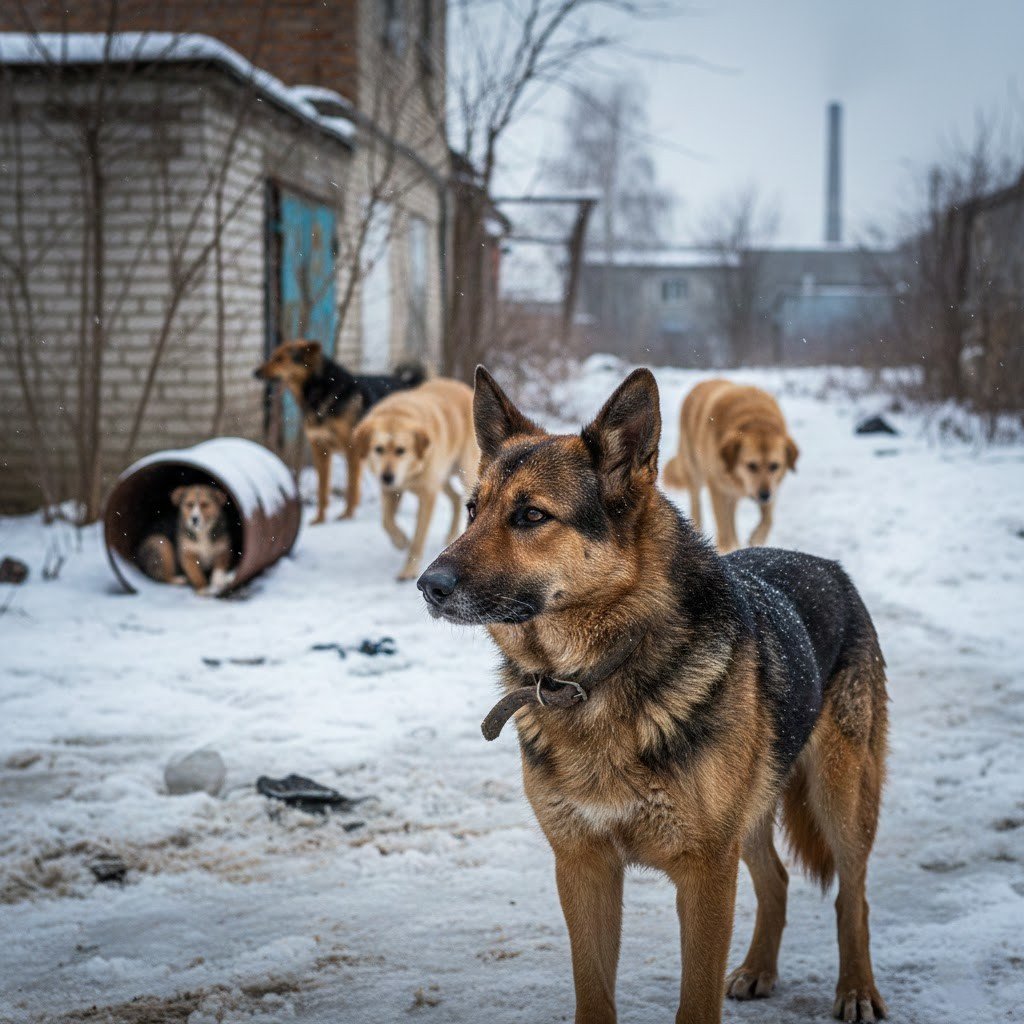
Weak characteristics fade quickly in extreme conditions. Strong survival skills are passed down more often.
Shorter lifespans
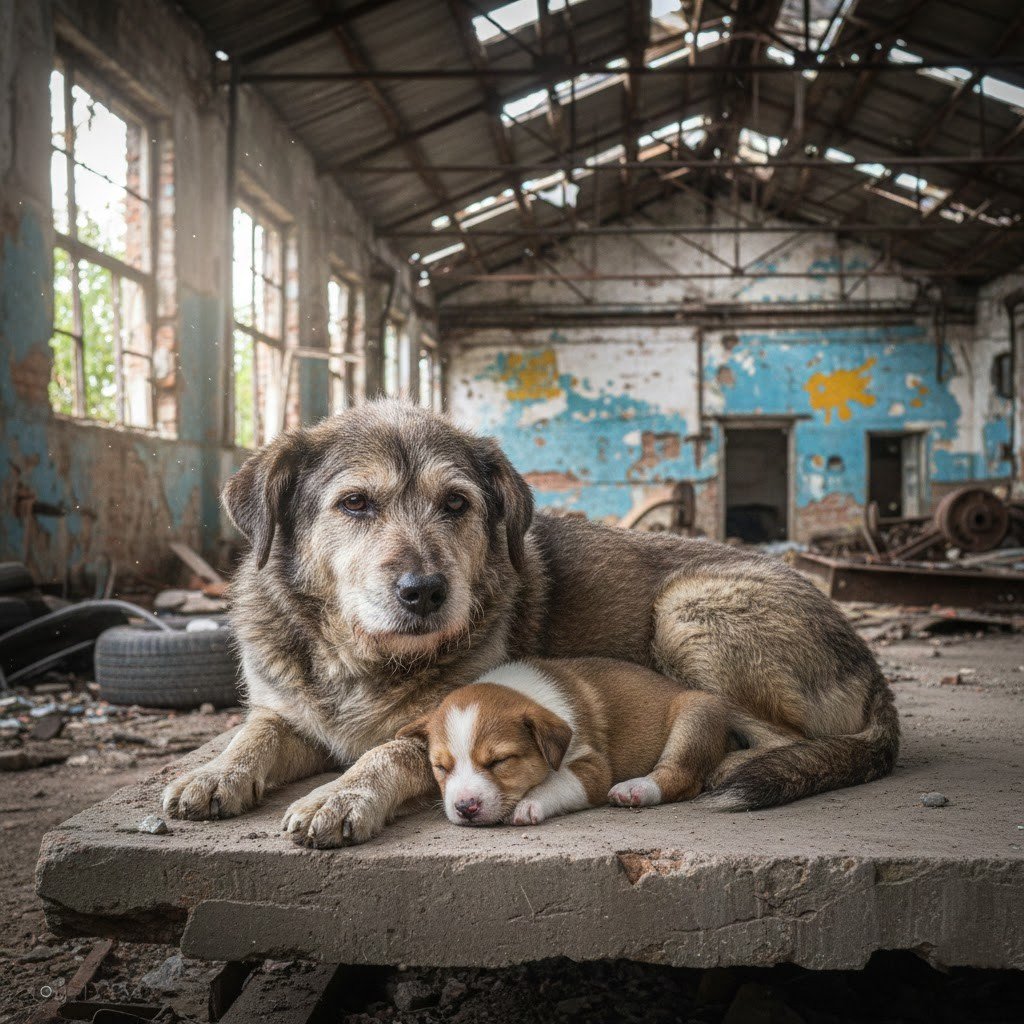
Many dogs do not live as long due to radiation and lack of care. It is said that exponentially faster generational turnover can accelerate evolutionary change.
Limited human dependence
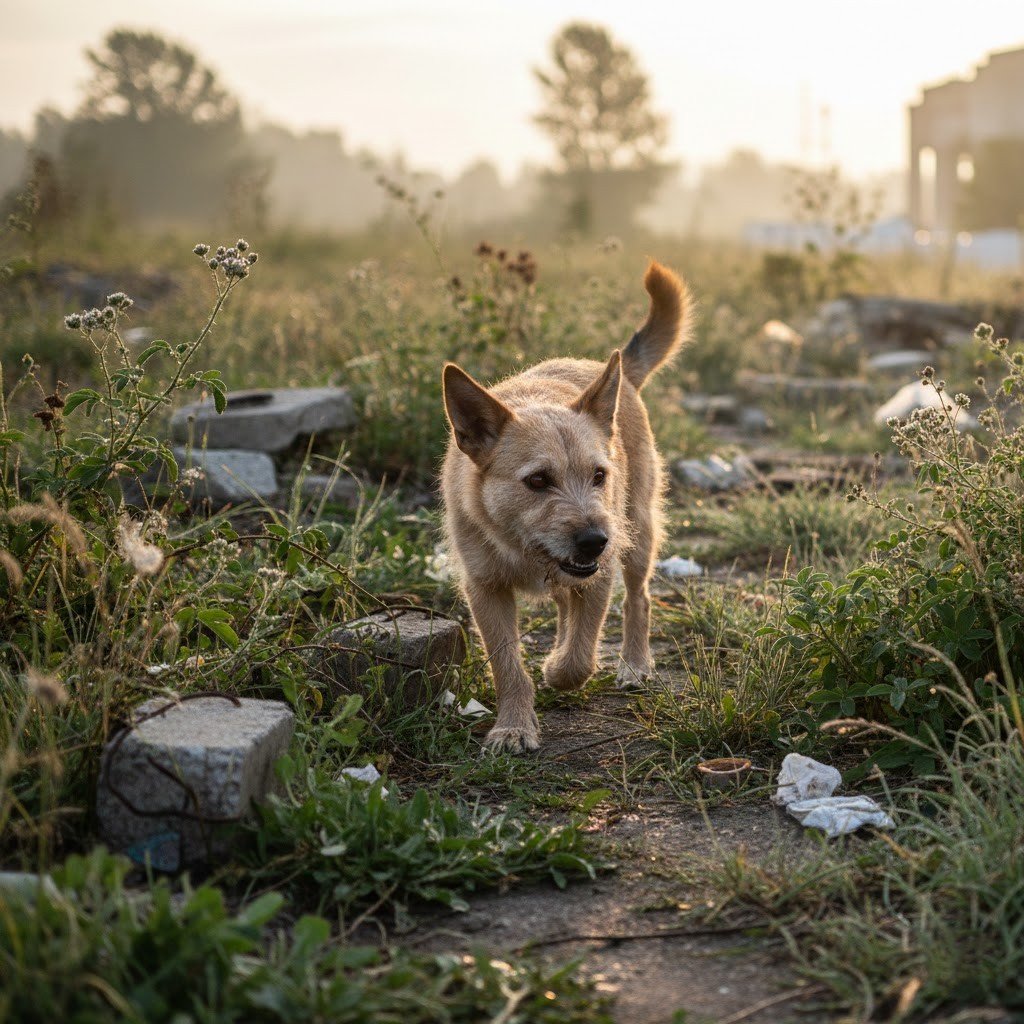
Dogs often rely on their instincts when they lack regular human support. This favours alertness and independence.
No selective breeding by humans
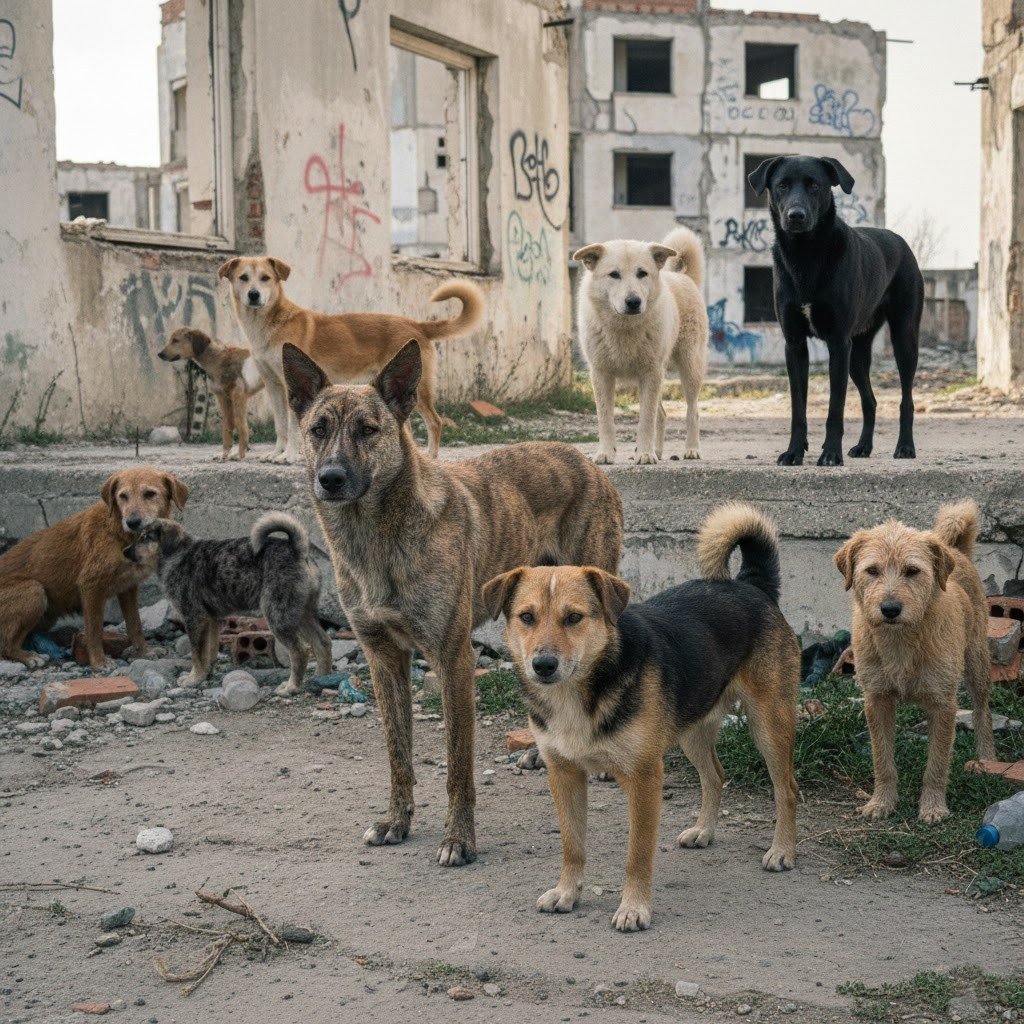
These dogs are not pet animals raised by humans. So, evolution is founded solely on survival needs for them.
Unique environmental stress
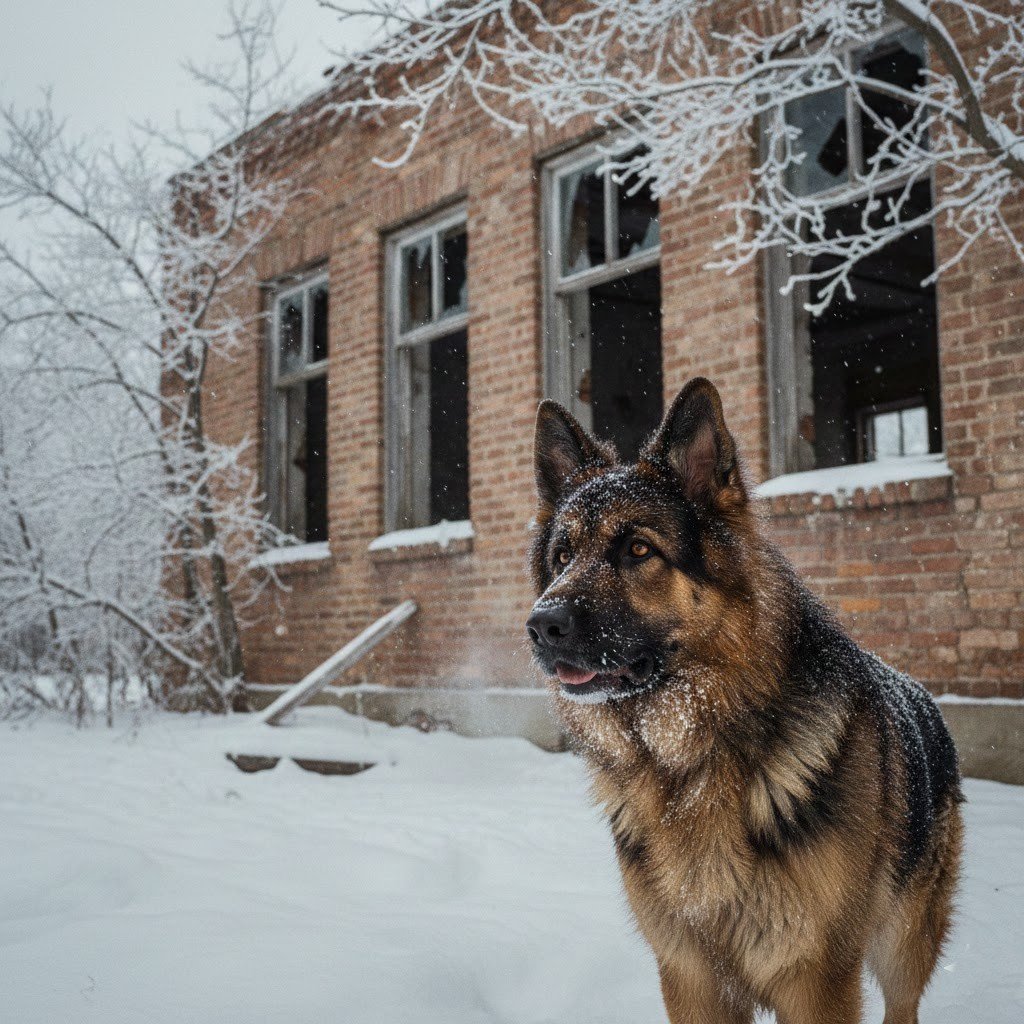
Radiation, cold winters, and abandoned buildings provide rare conditions to survive. This stress speeds up adaptation for these dogs to adjust.
Genetic separation between zones
Research has shown that dogs near reactors differ genetically from dogs further away. This is localized evolution in particular areas.
