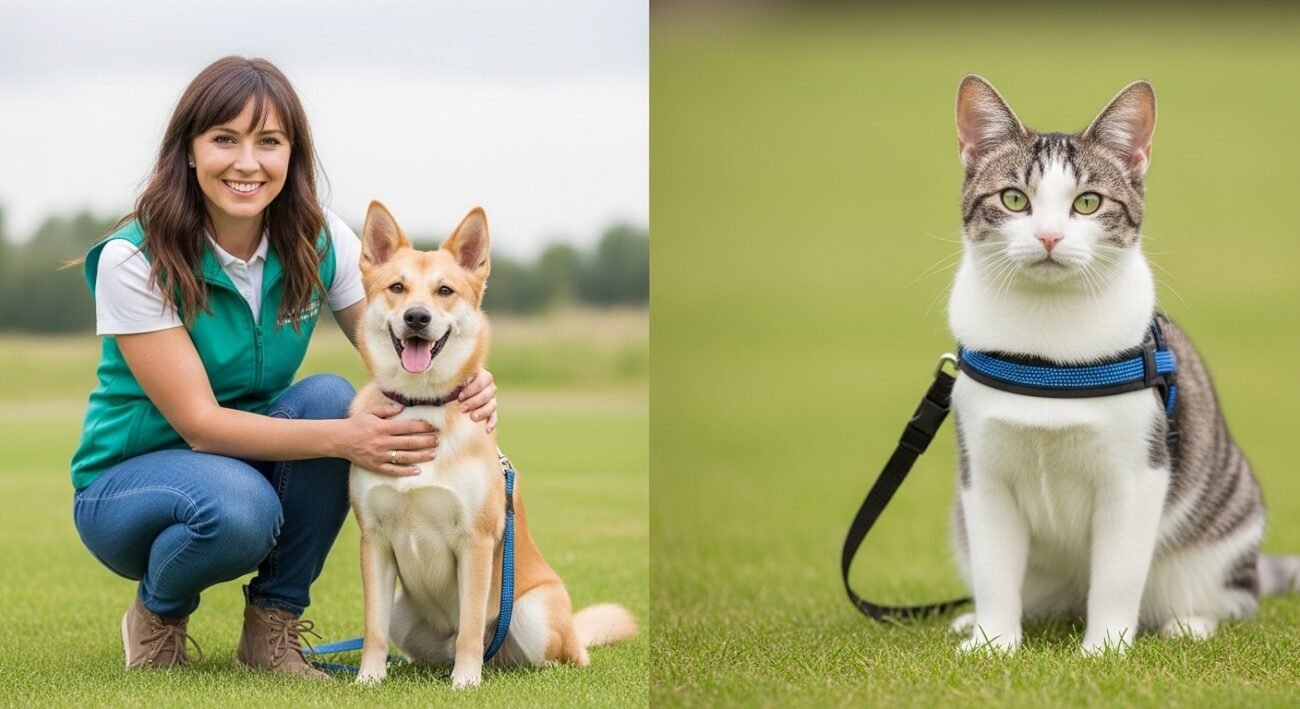
Pet training success requires two factors, firstly, dog trainers need patience and secondly, dog trainers need to use effective training techniques which include clear communication methods. The methods you use to train dogs and cats need to focus on their natural learning processes. Trainers use small daily practices which lead to significant improvements in their training results.
Behavior You Want Immediately
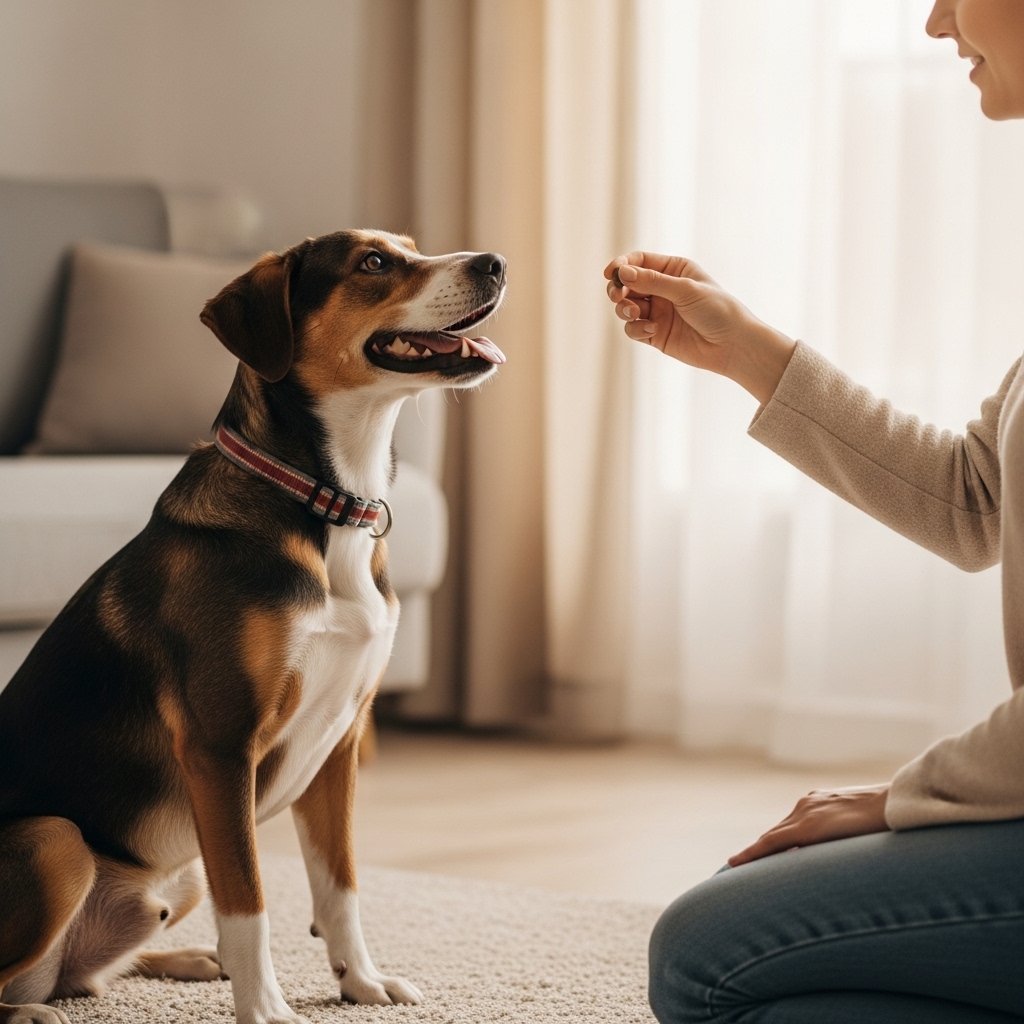
Successful training requires precise timing. Professional trainers use immediate rewards to reinforce desired behaviors as soon as they observe them. Immediate praise or treats help pets connect the action with the reward.
Keep Training Sessions Short

The most effective learning method for animals involves conducting brief training sessions. Five to ten minutes of training can be more effective than longer sessions that cause distraction or fatigue.
Use Clear and Consistent Commands
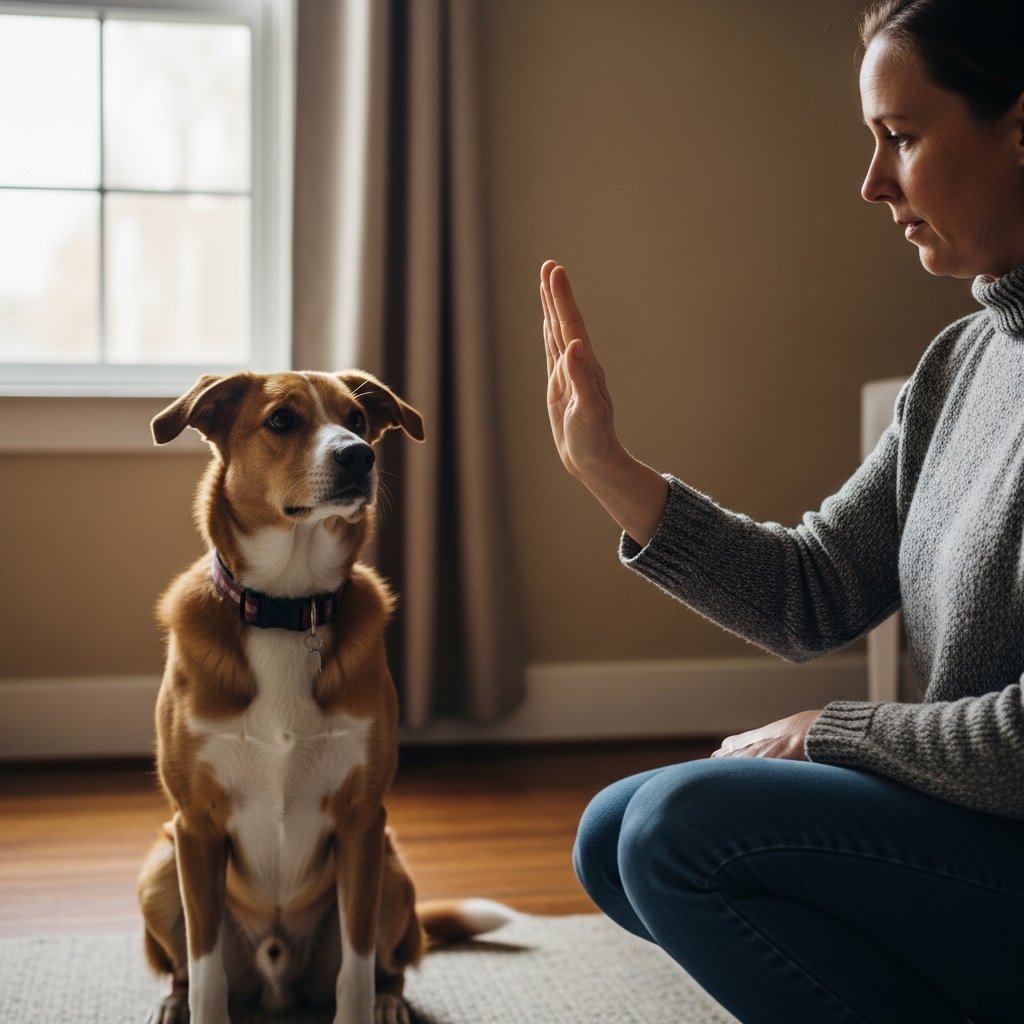
Your pet is like your child which learns things slowly. Using the same words and tone for each command helps pets understand expectations. Changing cues too often can make learning more confusing.
Start in a Quiet Environment

Professional trainers use quiet spaces to teach new skills which have no outside factors that could interrupt their training sessions. After the pet shows understanding of the task, trainers will begin training sessions in active settings.
Make Training Feel Like Play
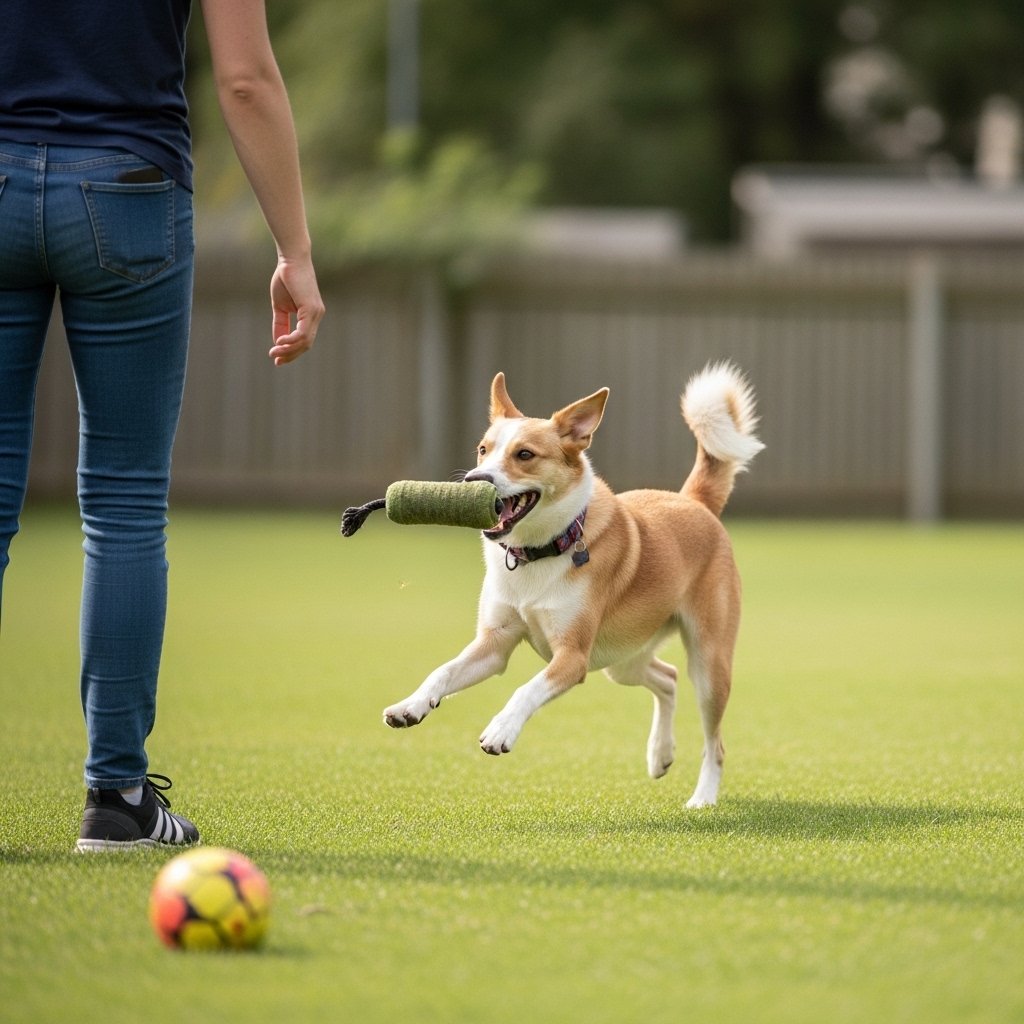
Many trainers use toys and games and physical activities to teach their students. Pets who connect training with enjoyment will exhibit better focus and increased drive to complete their tasks.
Practice Patience and Calm Energy

Pets usually respond to human feelings with strong emotional reactions. Trainers use a controlled steady speaking method to create a secure environment which helps animals learn.
Reinforce Good Behavior Throughout the Day

Training occurs beyond scheduled times because professionals use daily activities to reward positive behavior. Professionals use daily activities such as walks and feeding time and greeting visitors to show appreciation for good behavior.
Break Complex Tasks Into Small Steps
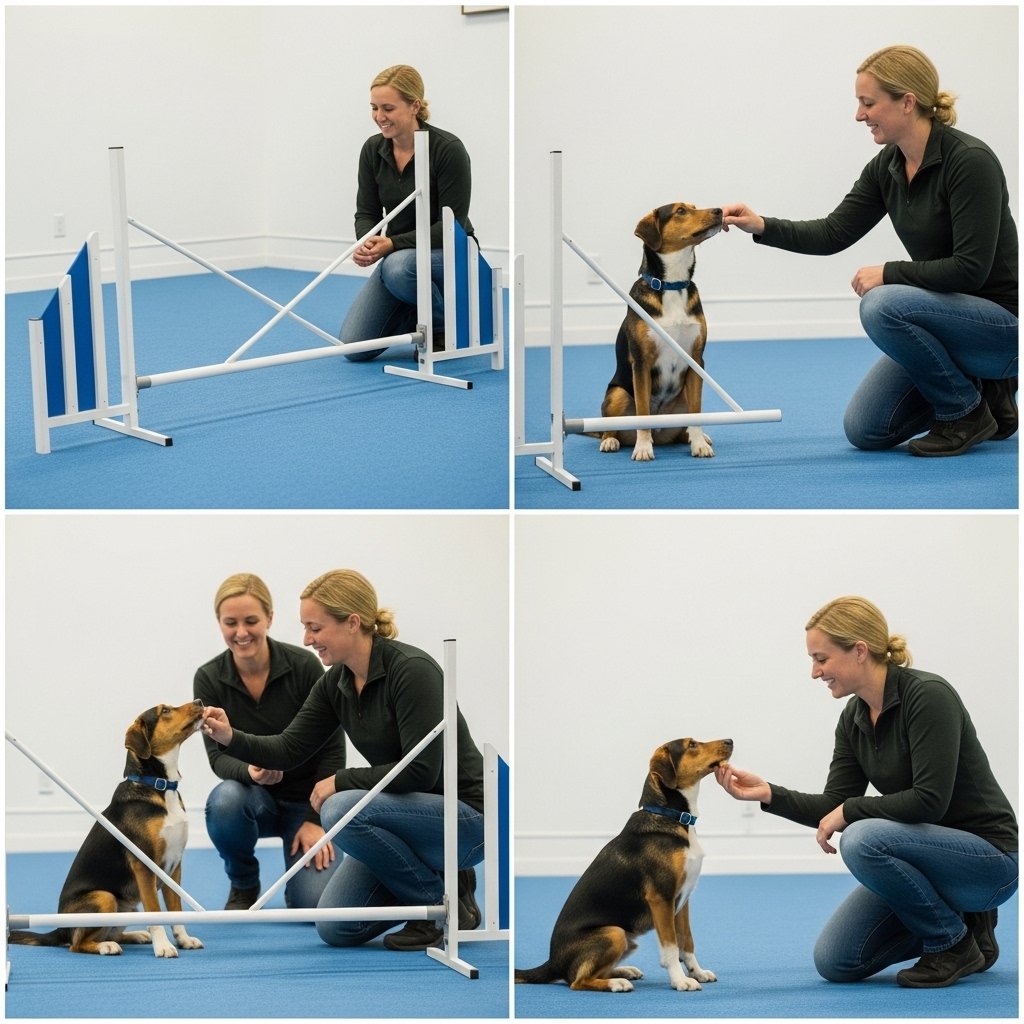
Trainers teach complex behaviors through their breakdown into smaller components. The process of learning through successful steps increases my confidence and understanding.
Pay Attention to Body Language

Trainers use pet body language which includes posture and ear position and energy level to determine animal emotions. This knowledge enables instructors to adapt their teaching methods whenever they observe positive learning outcomes.
End Each Session on a Positive Note

Professional trainers use an easy command which the pet already knows to complete their training sessions. The training session ends with a successful task, which creates confidence and excitement for upcoming training sessions.
