The inquiry which interests both scientists and storytellers studies which animal species will succeed humans as the most dominant life forms on Earth. The ecologists believe that multiple species compete for dominance of ecosystems instead of one species achieving complete control. The evolution process together with species adaptability and their methods of survival will determine how Earth ecosystems develop in the future. Researchers present multiple animal species that will succeed in environments where humans do not exist.
Rat
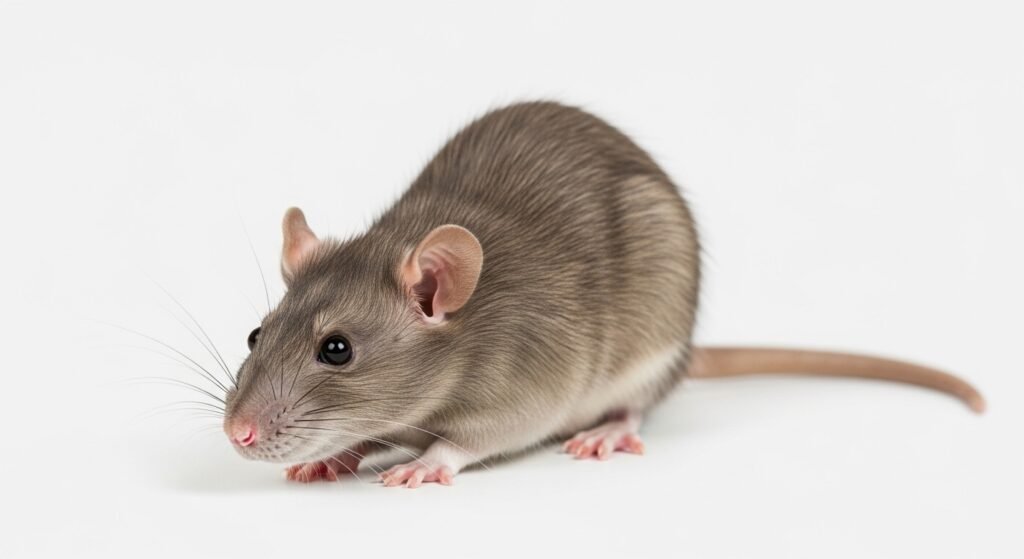
Rats already inhabit almost all continents throughout the world. The species shows excellent potential to thrive in posthuman environments because of its ability to adapt and its intelligence and its capability to function in multiple environmental conditions.
Cockroach
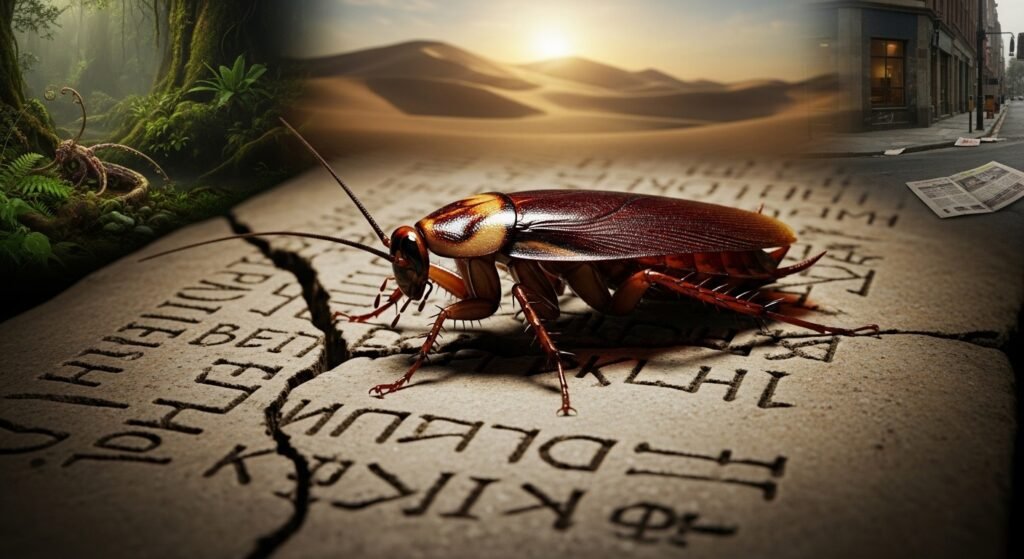
Cockroaches have existed for hundreds of millions of years. Their ability to survive in diverse environments and their dietary flexibility and their resilient nature enable them to maintain their survival through various environmental changes.
Octopus
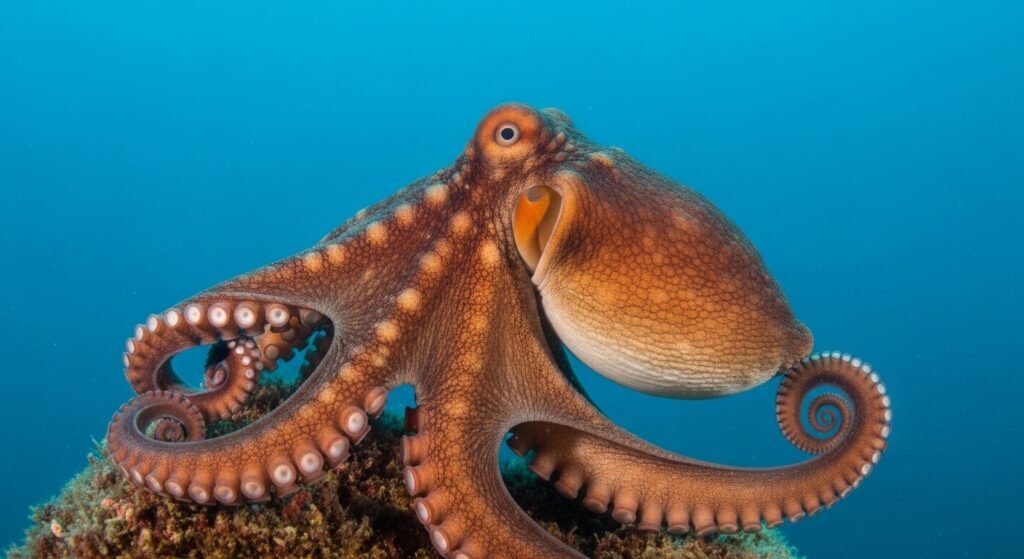
Scientists consider octopuses to be the most intelligent among all invertebrate species. Their abilities to solve problems and their skills to adapt with changing marine environments lead to their evolutionary success.
Crow
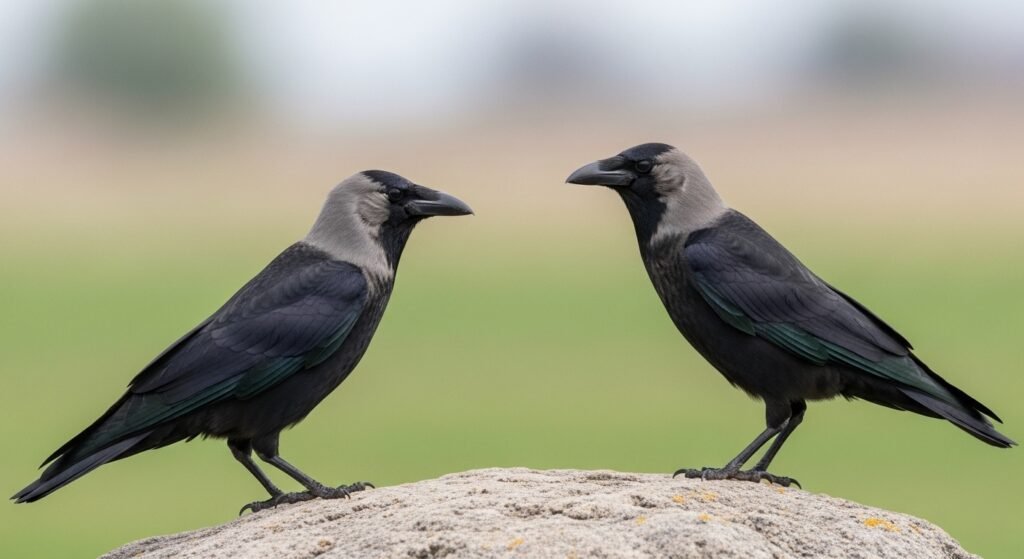
Crows show advanced abilities to learn and use tools for their work. Their social intelligence and global distribution allow them to thrive in both wild and urban settings.
Ant
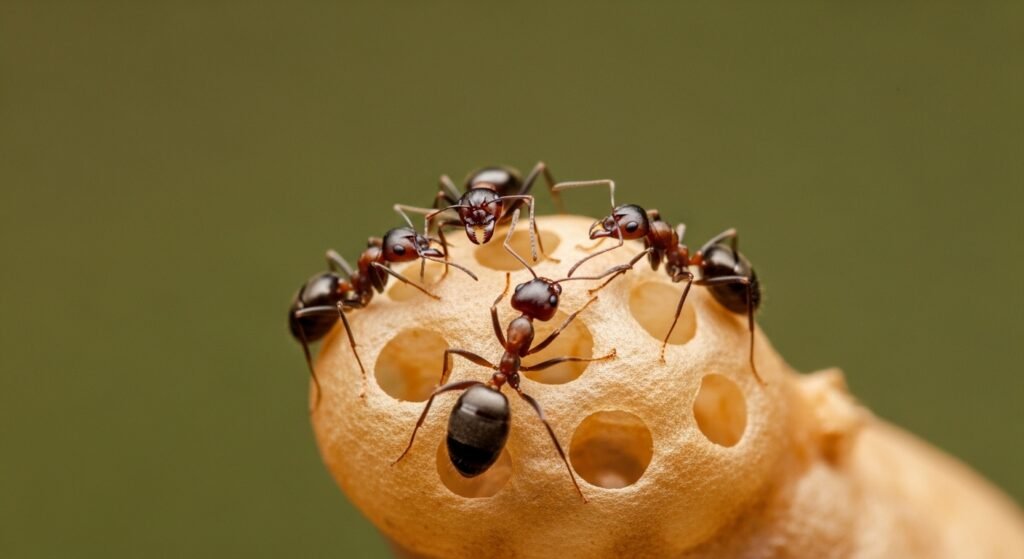
Ants already dominate terrestrial ecosystems by biomass. Their colonies work together while their environmental engineering skills give them a vital role in ecological systems.
Pig
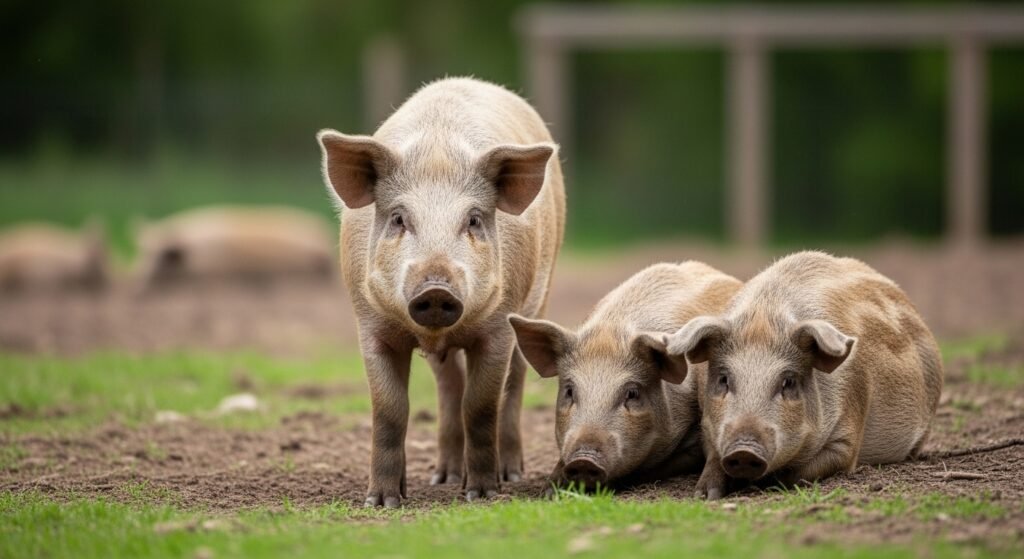
Domestic pigs and wild boars can learn to survive in any type of natural habitat. The species demonstrates population growth through its rapid reproduction rate which combines with its omnivorous diet and its high intelligence.
Raccoon
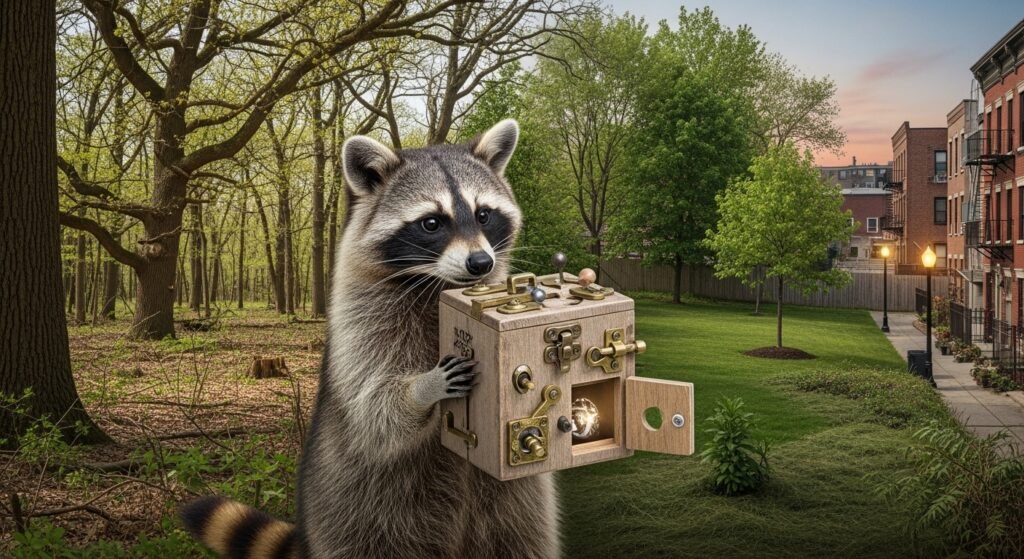
Raccoons show a reputation for both problem-solving abilities and their capability to adapt. The species demonstrates three different habitat preferences which help it succeed in areas that experience environmental transformation.
Elephant
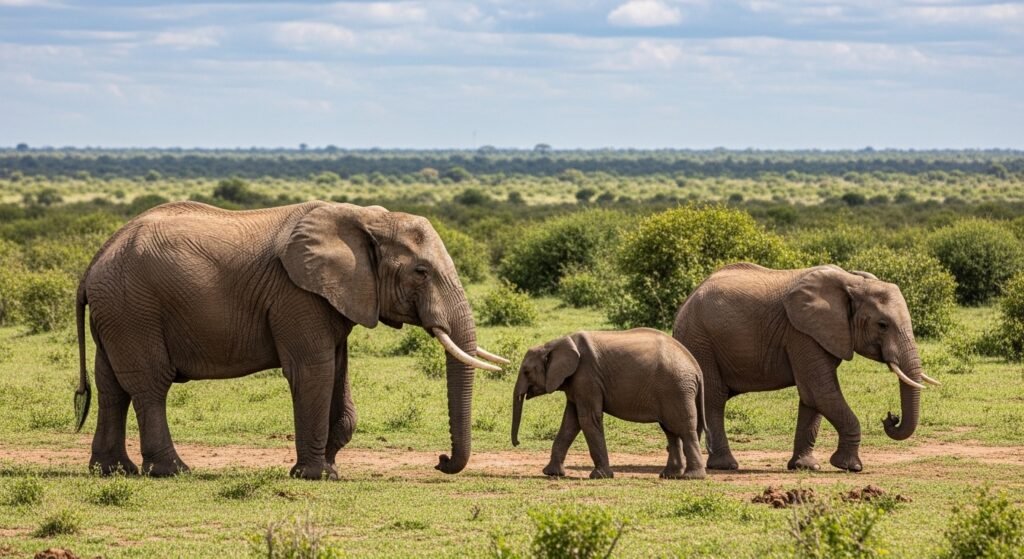
Elephants affect ecosystems through their ability to modify plant life and prepare water sources for various animal species. The natural environment provides them a chance to increase their ecological footprint across various territories.
Wolf
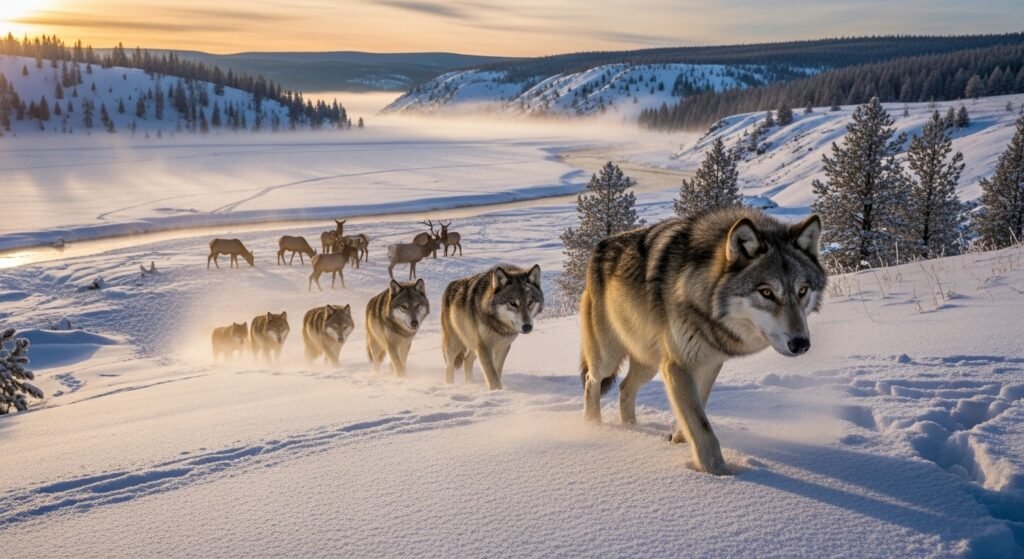
Wolves serve as top predators which control the population numbers of herbivores within their habitats. Ecosystems show major changes in areas where wolves have reestablished their populations across various regions.
