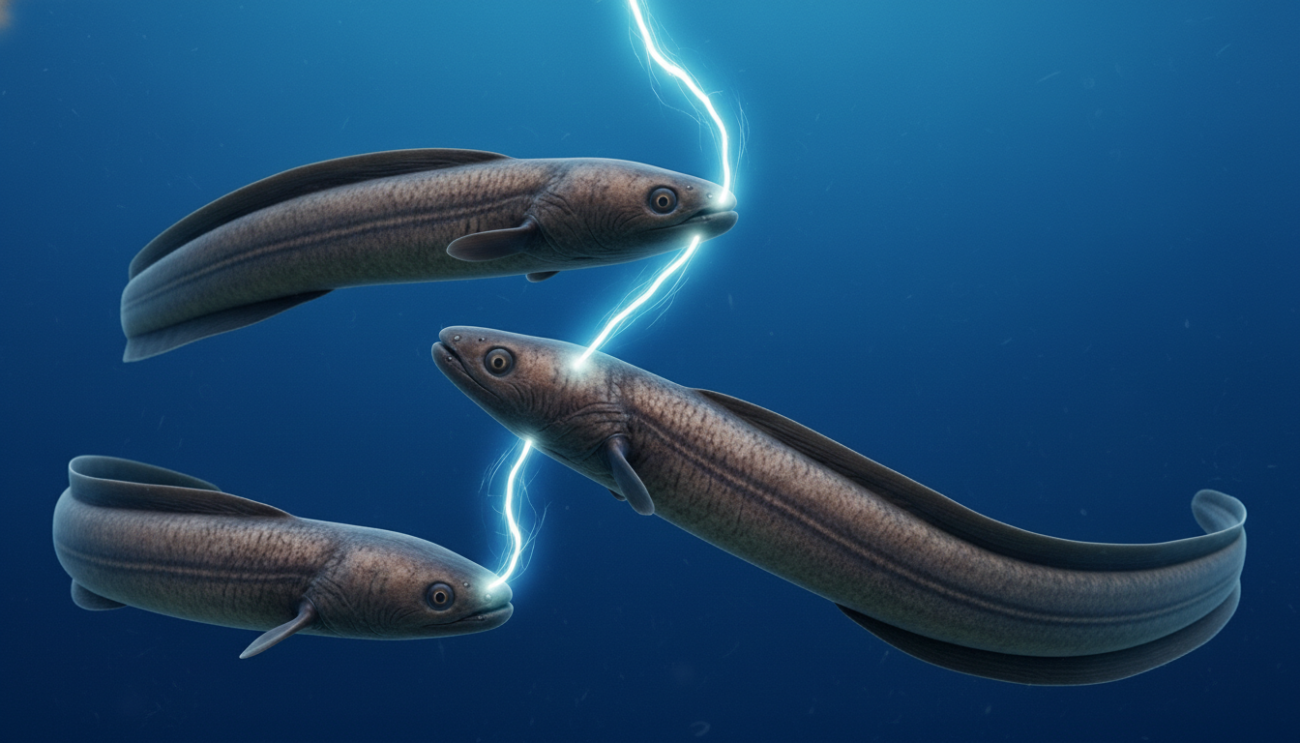
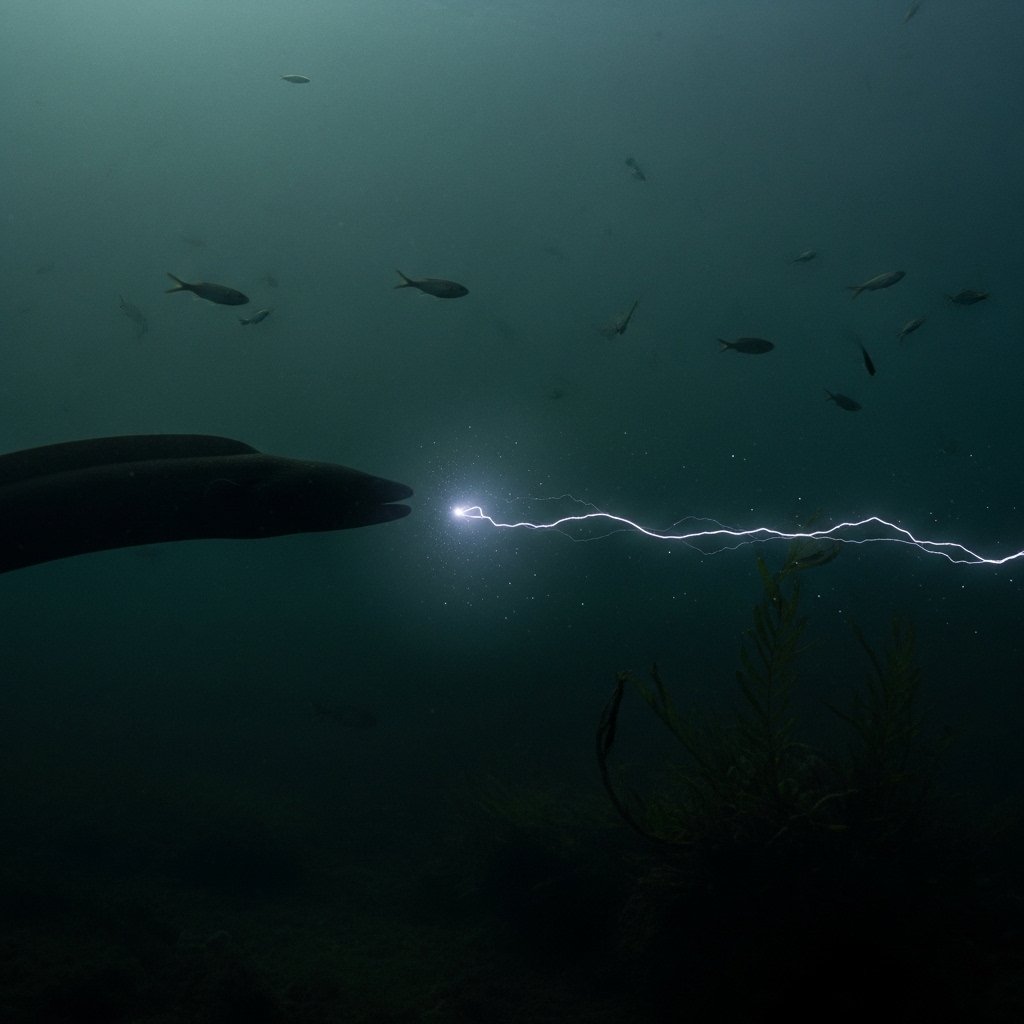
Electric eels have fascinated scientists for centuries because they can generate powerful electrical discharges. You’ve probably heard claims that they can generate “600 watts” of electricity —but what does that really mean? The actual situation consists of three elements which are voltage and current and duration.The research demonstrates the actual strength of an electric eel shock.
It’s About Voltage, Not Just Watts
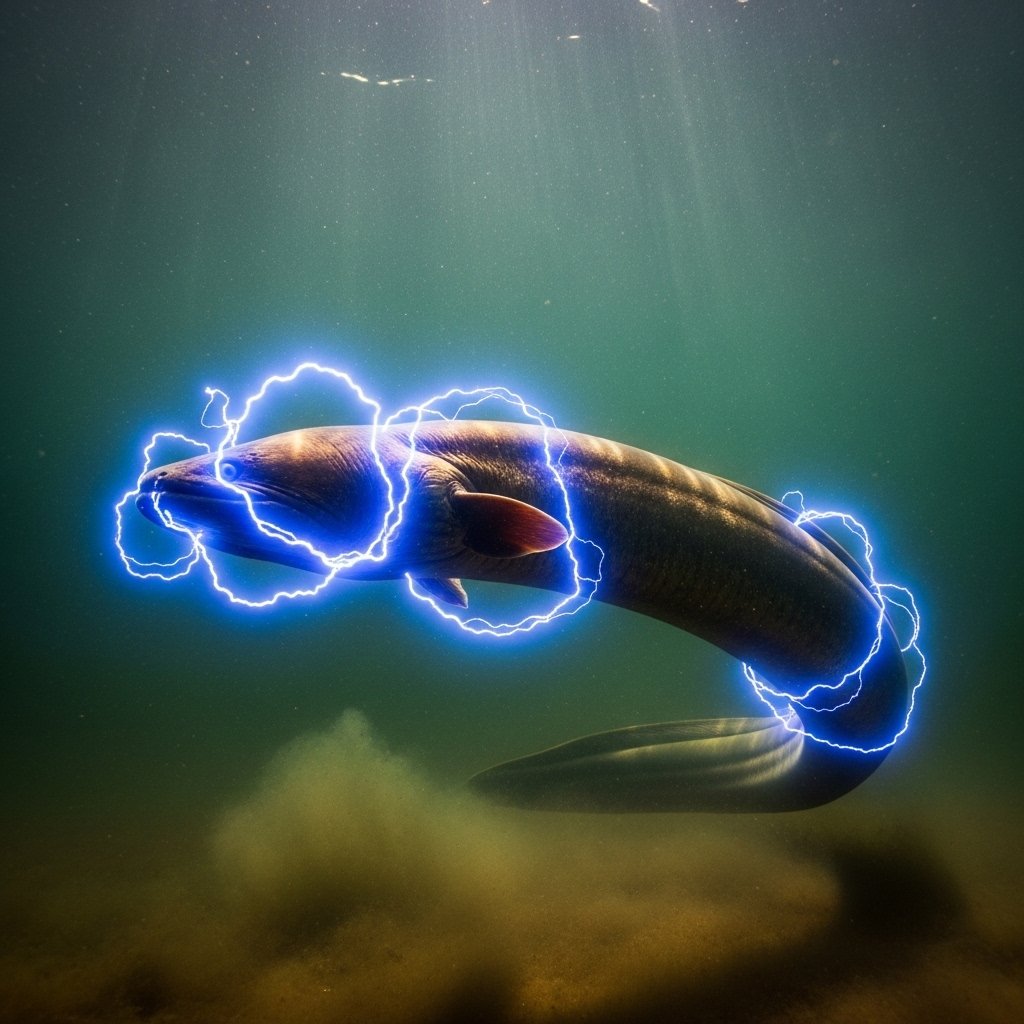
Most scientific discussions focus on voltage rather than watts.The traditional electric eel can produce shock voltages which reach approximately 600 volts.The number gets used in popular articles as a measurement for wattage.
Revealed Even Higher Voltage
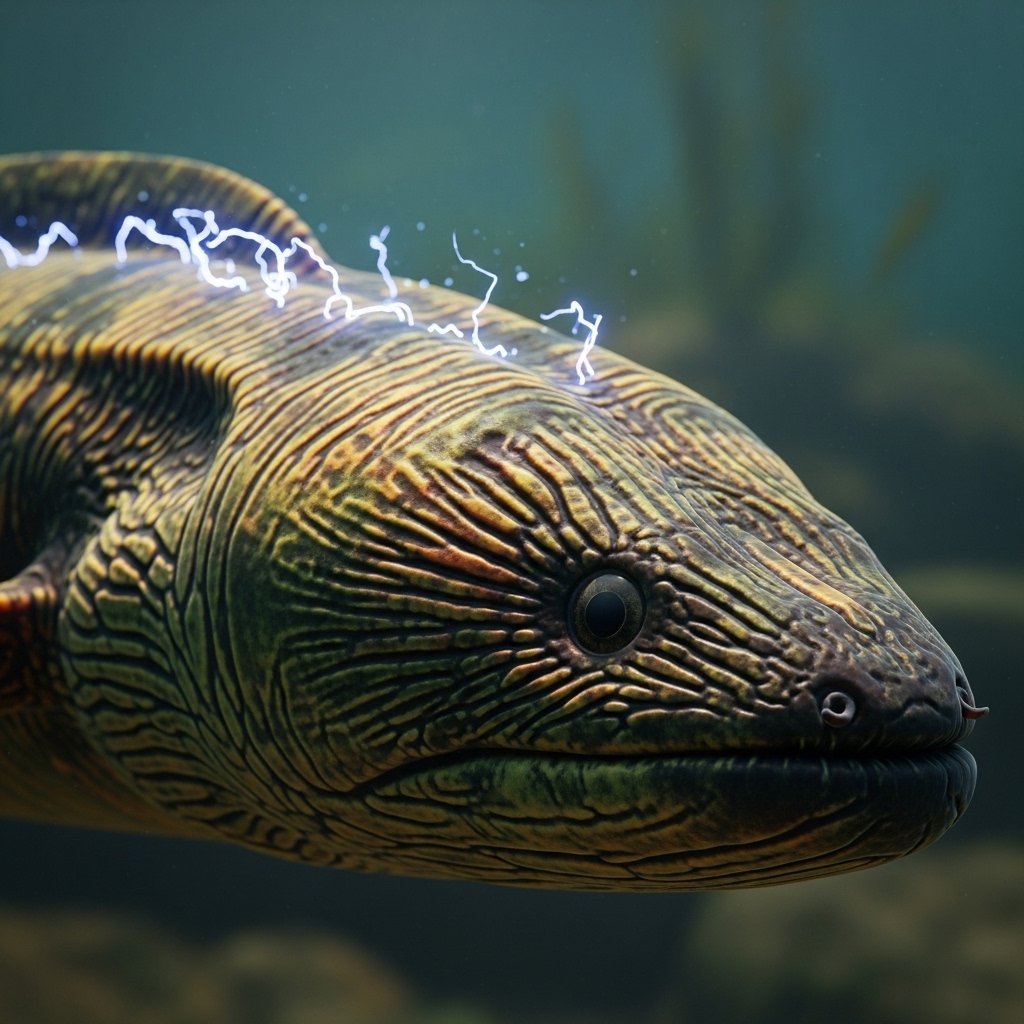
Studies have identified multiple species of electric eel. The first species can produce electrical discharges which exceed 800 volts under specific conditions because it functions as one of the most powerful bioelectric generators.
How Electricity Is Produced
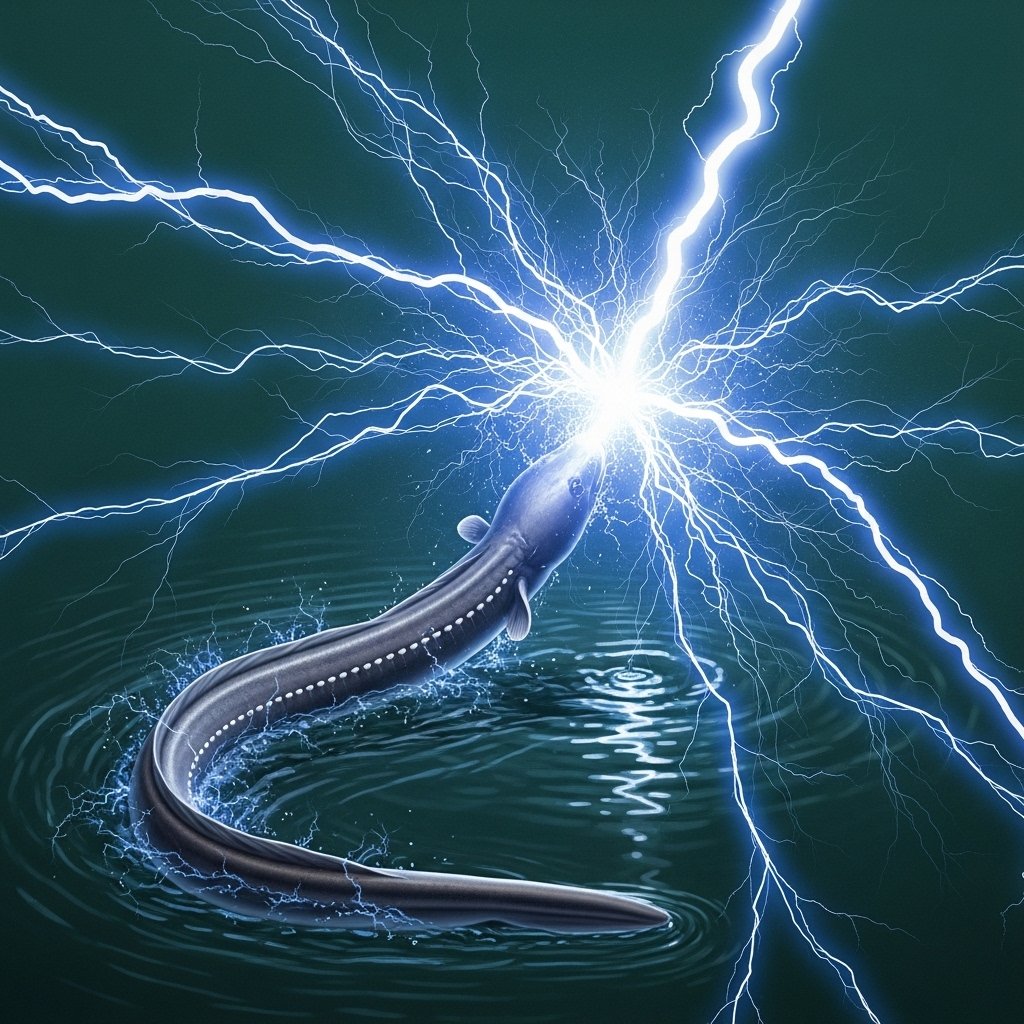
Electric eels possess specialized cells which scientists call electrocytes. These cells function as tiny batteries which connect in series to create voltage through their simultaneous cell discharges.
Watts Depend on Current and Duration
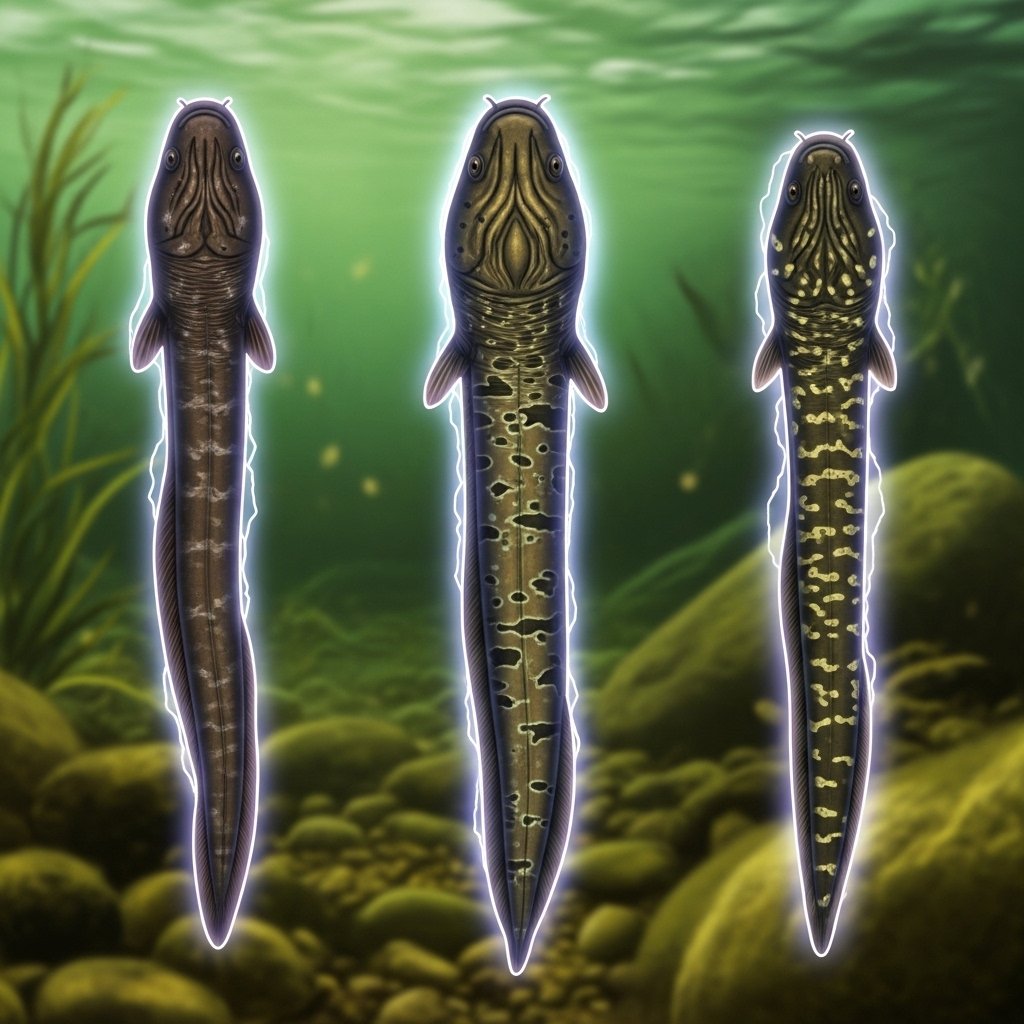
Wattage equals voltage multiplied by current. The system has high voltage but both current and discharge time remain short. The system produces different total energy output which compares to the energy output of a continuous electrical appliance.
Short, Pulsed Bursts
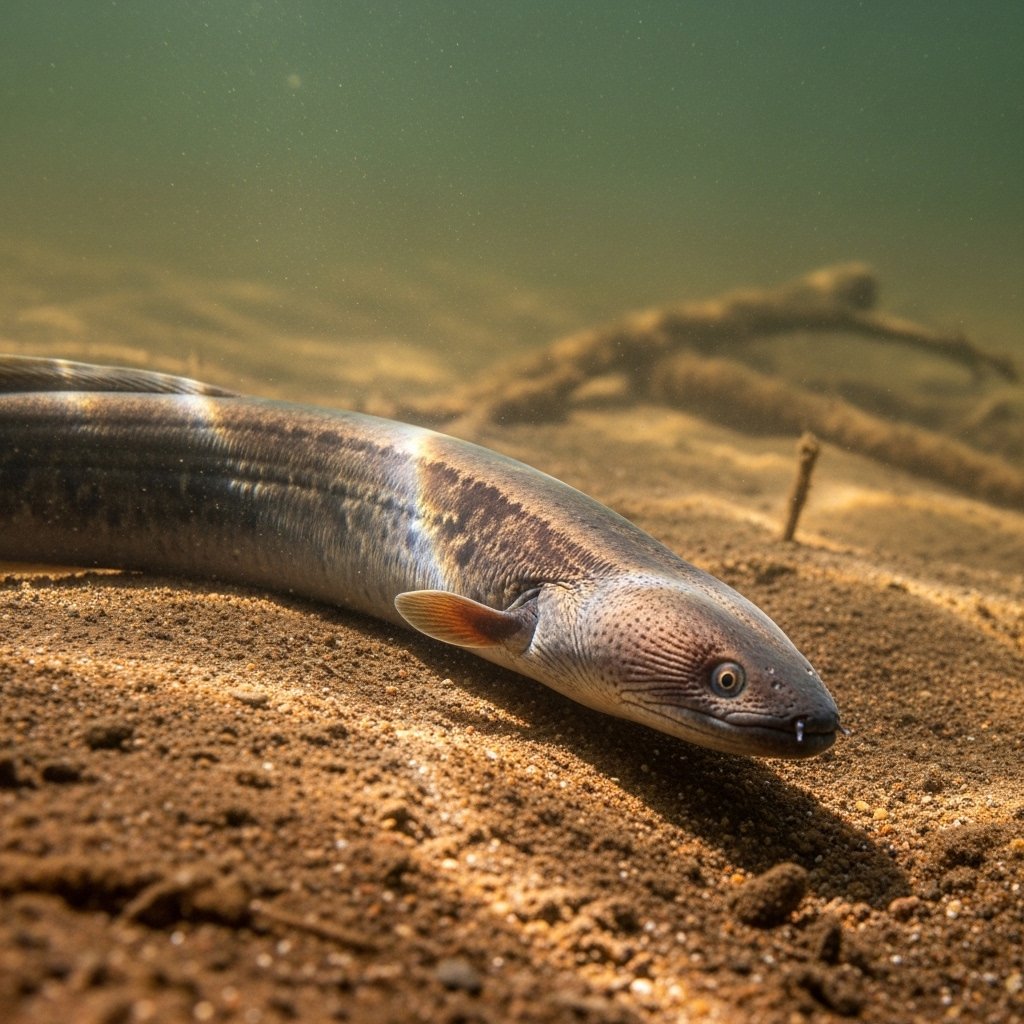
Electric eels release their electrical discharges for a duration which lasts milliseconds. The rapid pulses deliver sufficient energy to both stun prey and deter threats while maintaining their energy flow for a short period.
Used for Hunting and Defense
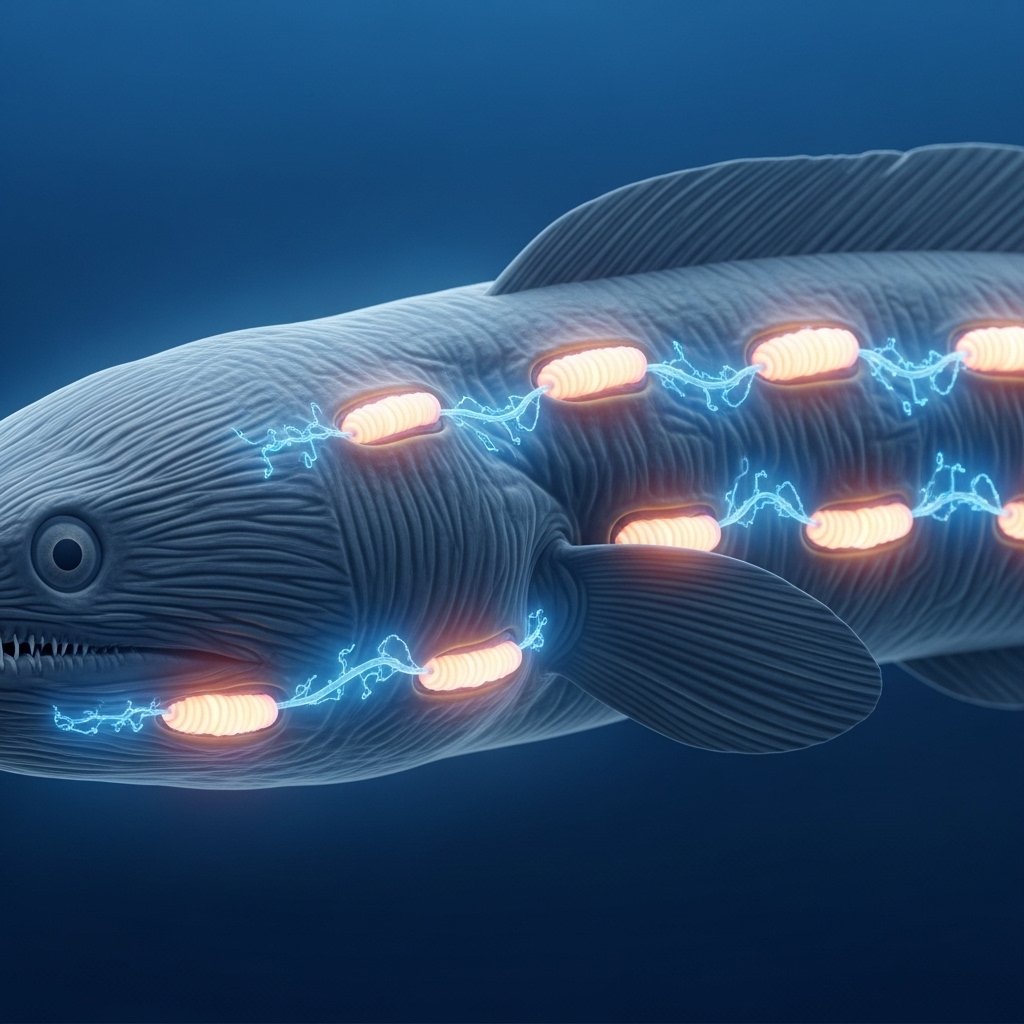
High-voltage shocks enable eels to temporarily stop the movement of fish and other prey. Eels also use lower-voltage pulses for navigation and communication in murky waters.
Not a True Eel
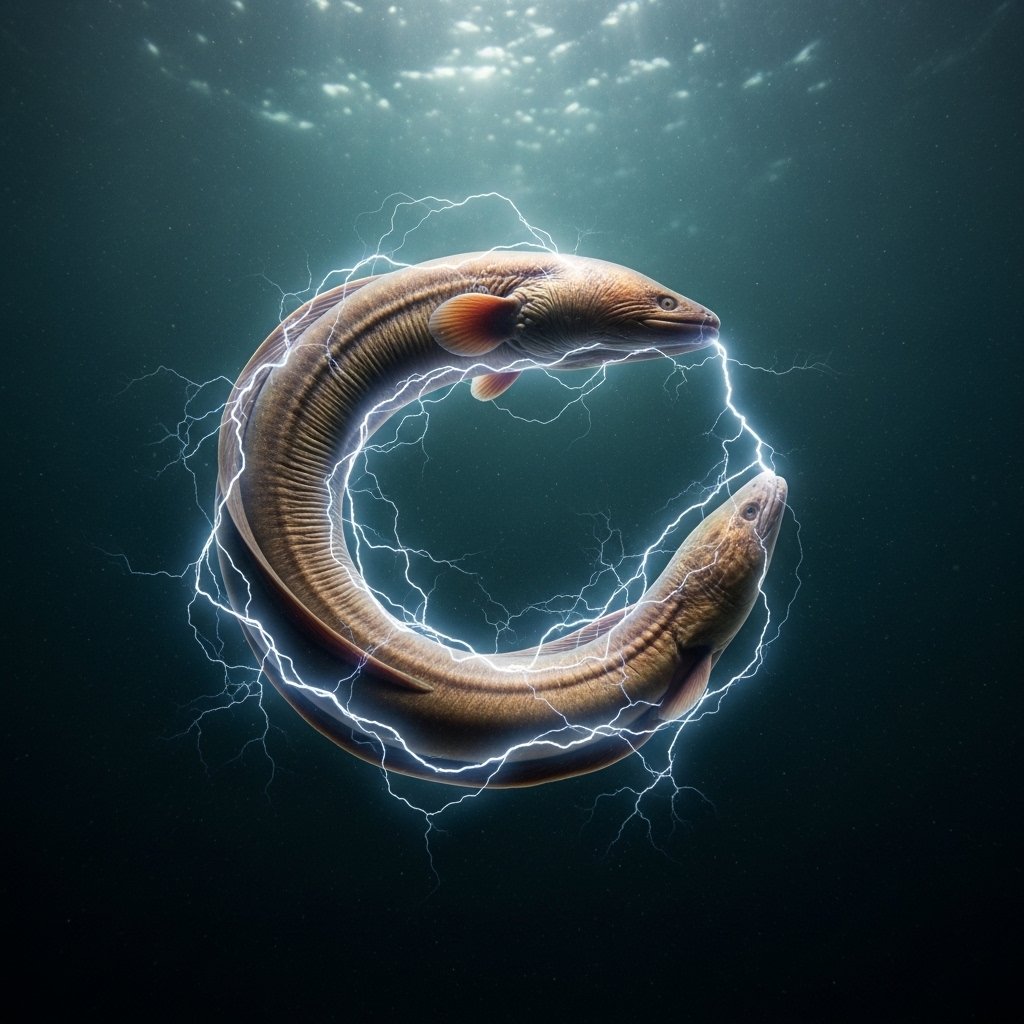
The electric eel shows closer ties to knifefish than to actual eels. The species exists as a separate lineage of freshwater fish native to South American waters.
Habitat Influences Performance
Electric eels inhabit the slow-moving rivers and floodplains of South America. The species develops special adaptations to survive in warm water environments that have low oxygen levels.
