
People believe that pets labeled as “low-maintenance” or “easy” require less time and planning and care work. Each animal needs particular physical and social and environmental requirements. When expectations do not match what occurs in reality, both pet and owner experience stressful situations. The following 11 myths about so-called easy pets lead to problems which pet owners can prevent through proper understanding.
Fish Don’t Need Much Care
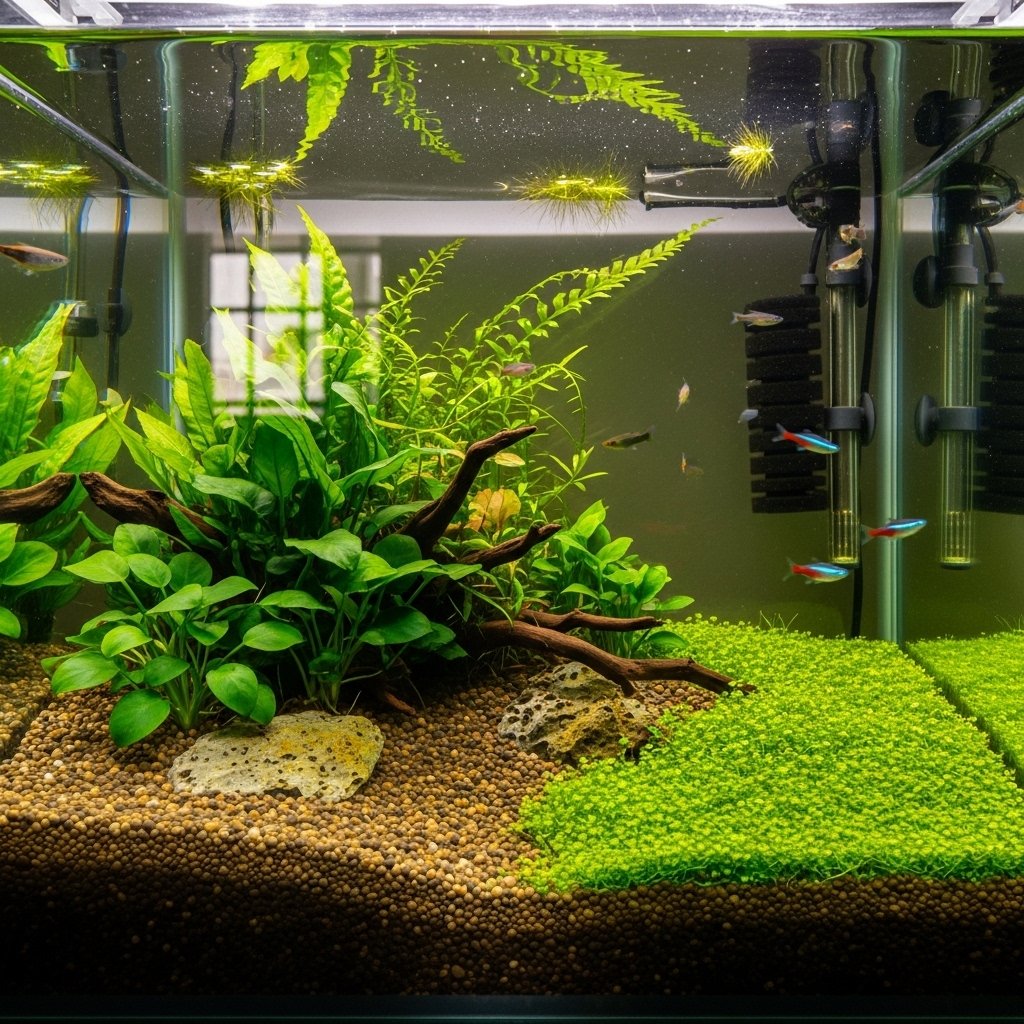
Many people believe fish require only food and a bowl to survive. Most species require filtered tanks which need cycling and stable water chemistry to survive. Poor water quality results in health problems which proper setup and maintenance could have prevented.
Hamsters Are Perfect
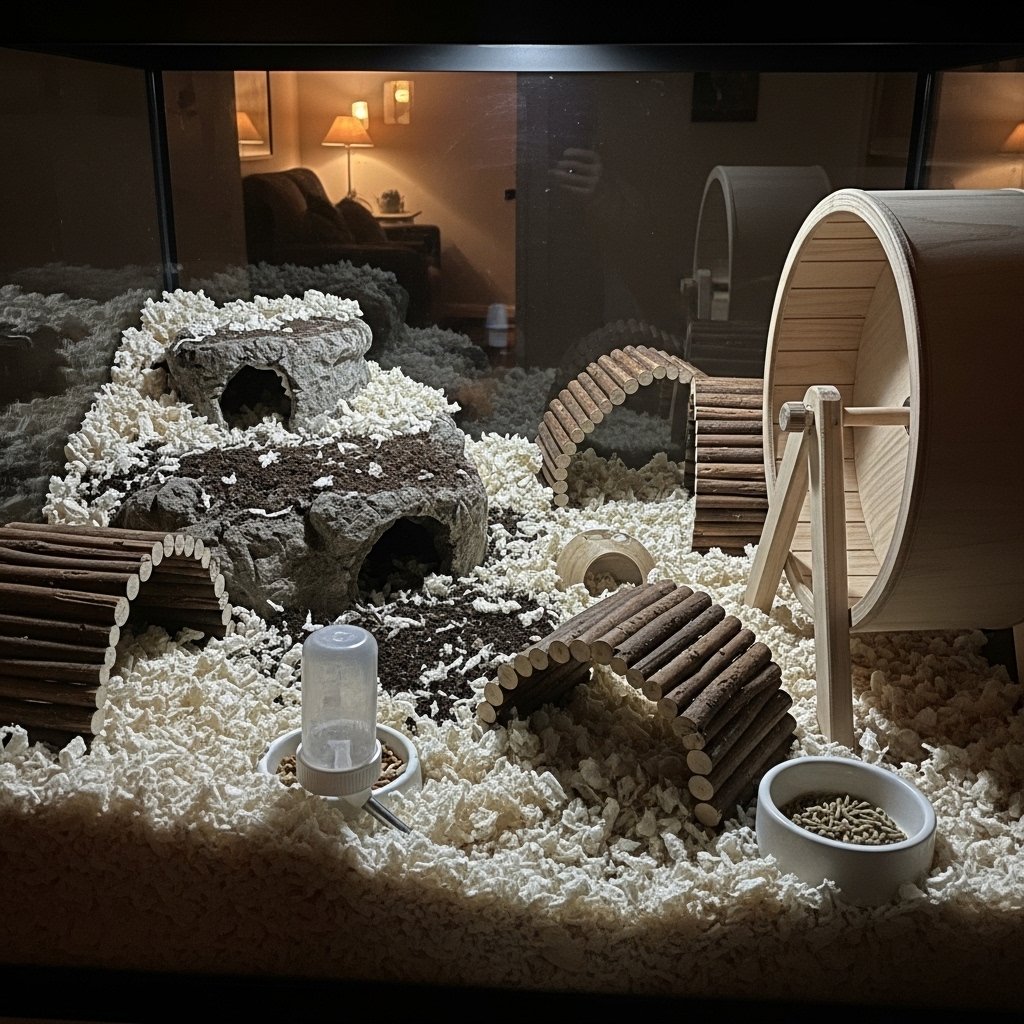
Hamsters are small but sensitive. The creatures need silence because they are active at night and become anxious when people touch them during daytime hours. The absence of suitable habitat dimensions and necessary enrichment materials will result in undesired changes to the animal’s behavior.
Reptiles Don’t Need Interaction

Reptiles need specific temperature gradients and humidity control and UV lighting and proper diet because they do not express affection as mammals do. Health issues arise when reptiles live in environmental conditions which their bodies cannot tolerate.
Cats Take Care of Themselves

Cats require mental stimulation and social interaction and veterinary checkups despite their more independent nature compared to other pets. The destructive behavior of cats occurs when they become bored which leads to scratching and elimination inappropriately.
Small Dogs Are Easier Than Large Dogs

The energy level of a dog does not depend on its body size. The small breeds exhibit high energy needs and possess strong character traits. The process of training requires established guidelines which apply to all body weights.
Birds Are Low Commitment
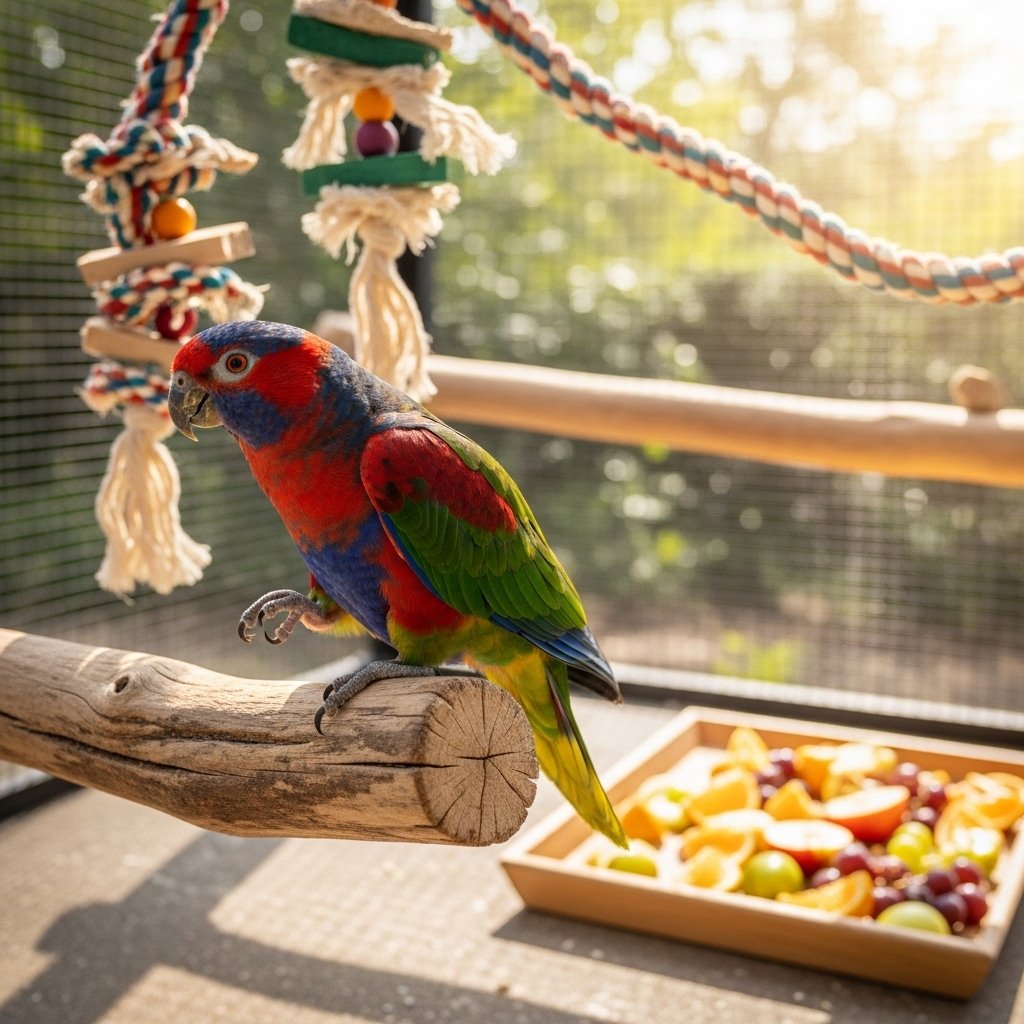
Parrots and many other birds demonstrate high intelligence and social behavior. Their requirements include daily socialization and mental stimulation together with their essential dietary needs. The lack of mental engagement results in birds developing feather-plucking behavior together with problems in their vocalization ability.
Indoor Pets Don’t Need Enrichment

Indoor pets benefit from various enrichment activities which include toys and climbing structures and scent-based games and interactive playtime. Environmental stimulation helps people achieve emotional stability.
Don’t Need Grooming

Animals of all coat lengths require grooming for their basic needs. The essential components of animal health care include brushing and nail trimming and skin examinations.
Don’t Need Exercise

The requirements for exercise apply to all dog breeds. Exercise helps maintain joint health and aids the digestive process and helps control emotions.
Rescue Pets Come Already Trained

Many rescue animals adjust successfully because they need their familiar routines and training to be established in their new environment. The process of transitioning becomes easier when people demonstrate patience.
Exotic Pets Are Easier
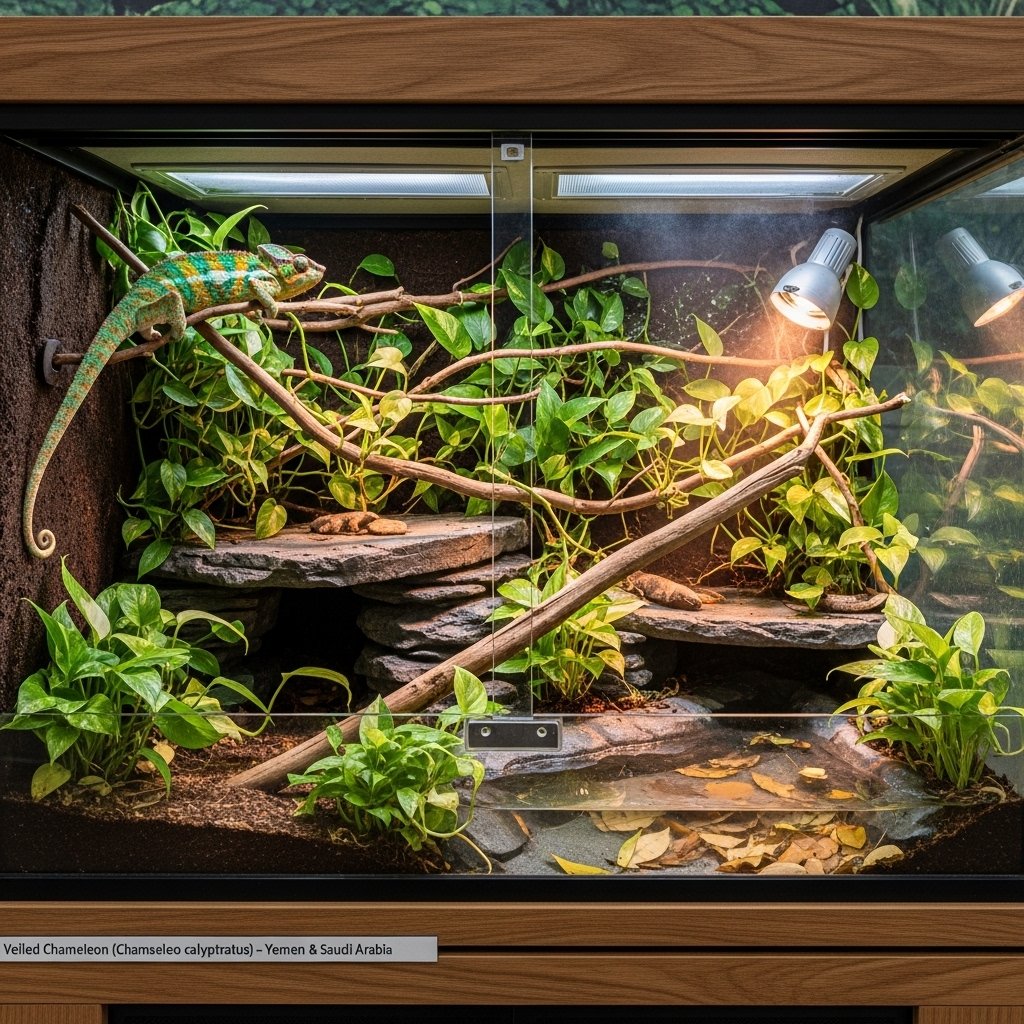
The concept of quietness does not imply that something becomes easier to handle. Exotic species require their owners to study their unique dietary needs and habitat requirements because they have specific needs that must be met.
