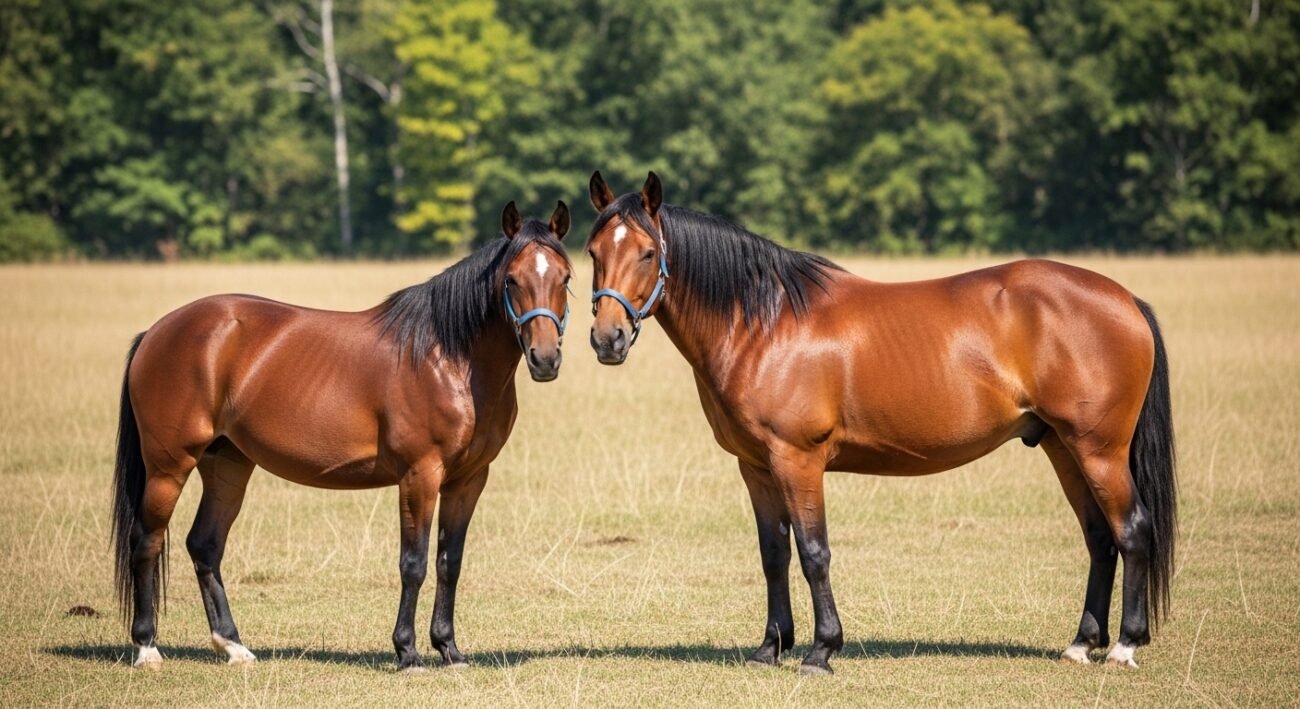
Mustangs serve as romanticized freedom symbols which represent American Western heritage, but their actual characteristics reveal their true nature as different from domesticated horses. Mustangs developed into their current form through wild evolution after North American explorers introduced their ancestral horses in the 16th century. Their environment determined the development of their physical characteristics and their social organization and their ways of interacting with others. The ten important characteristics of mustangs serve to distinguish them from their domesticated horse counterparts.
Wild Survival Instincts
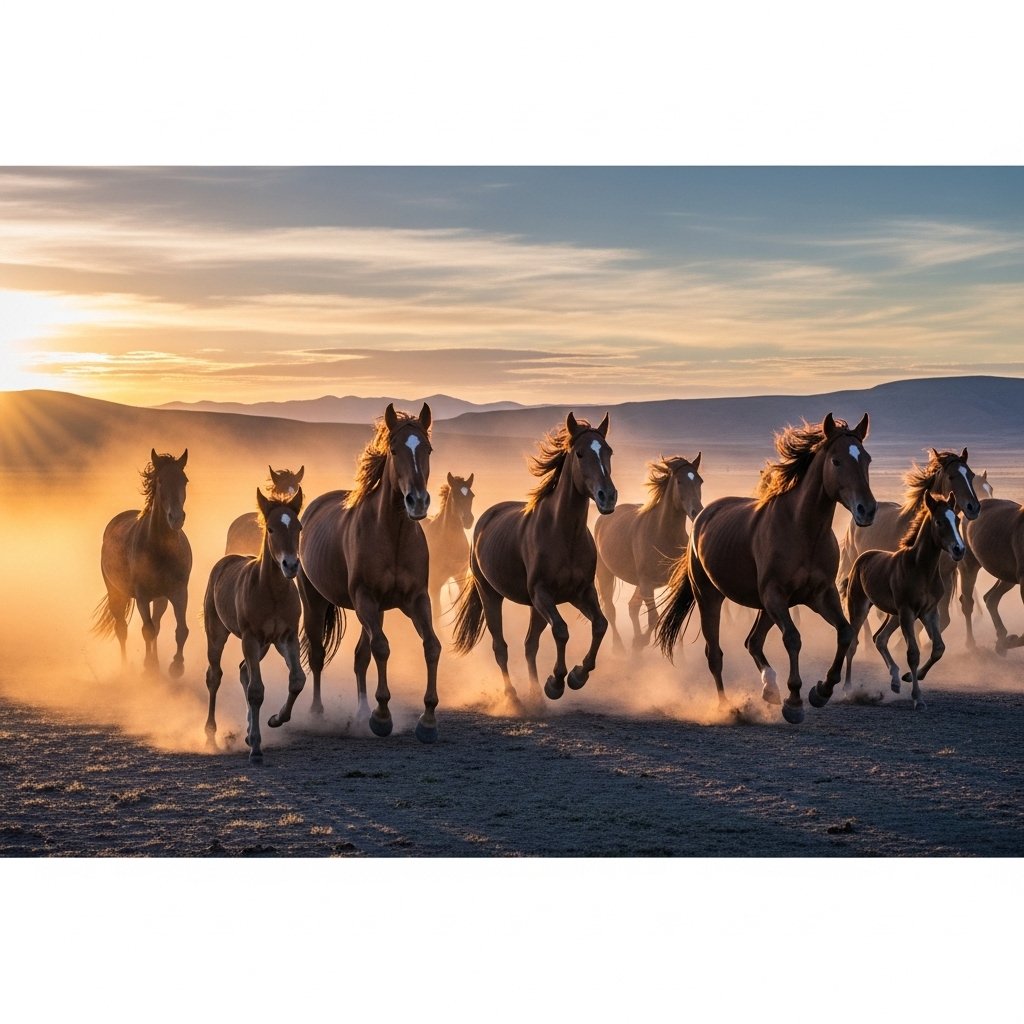
Mustangs depend completely on their instincts to survive in the wild. Mustangs possess the ability to monitor their surroundings while they keep an eye on their herd and detect any movements in their environment. Horses that grow up under constant human nurturing will maintain lower states of alertness than wild horses do.
Natural Herd Hierarchy
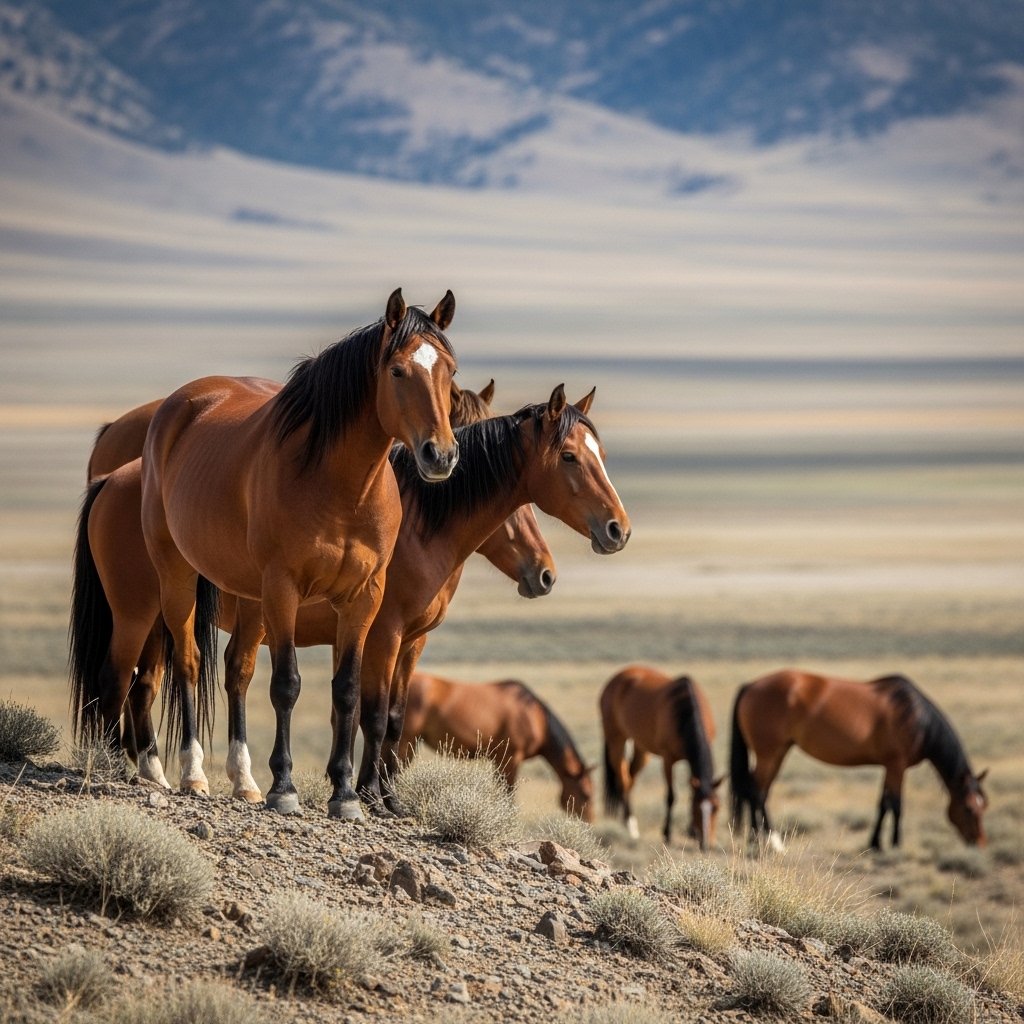
Mustang bands operate with clear social structure, often led by a dominant mare and guarded by a stallion. Social order plays a major role in movement, grazing, and protection.
Lean, Efficient Build
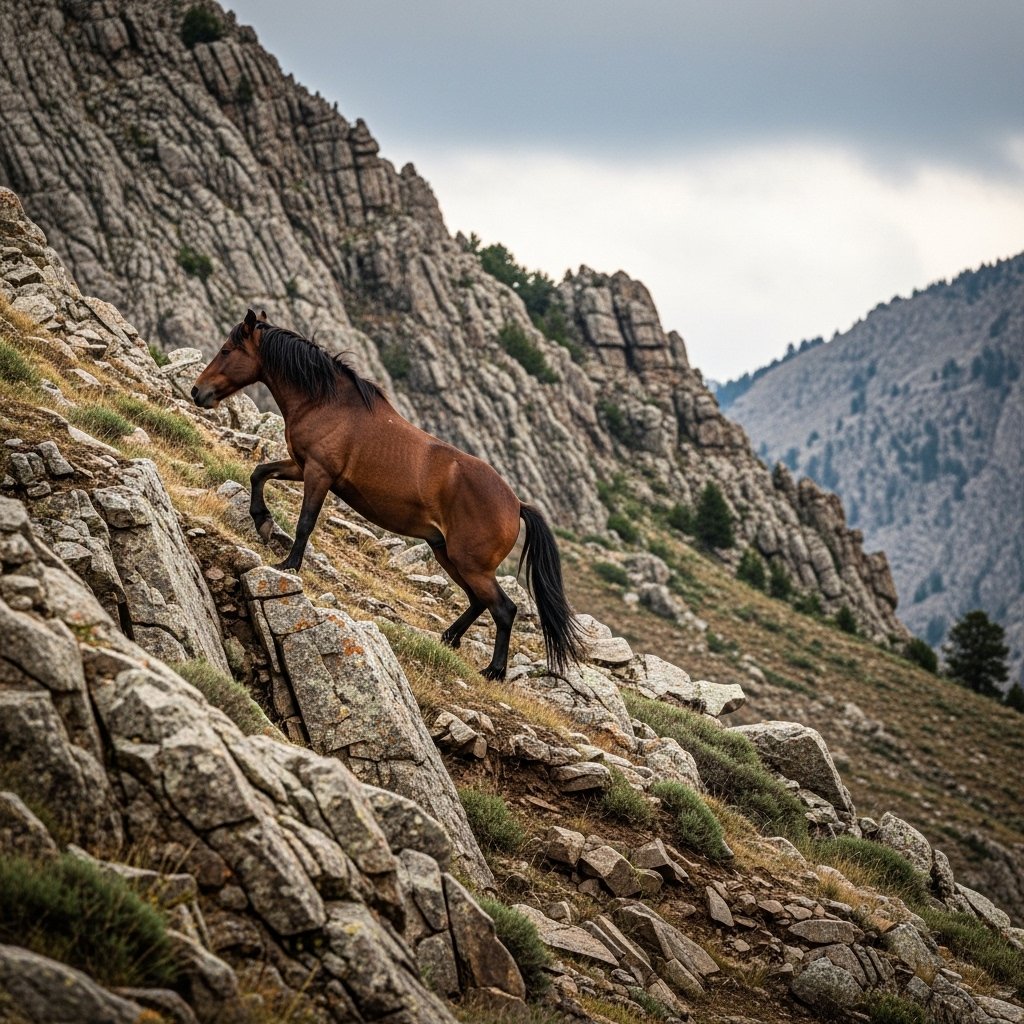
Endurance becomes necessary for animals which need to navigate through difficult mountainous terrain. Mustangs develop compact bodies which include strong hooves and efficient walking abilities that enable them to travel long distances.
Hardy Hooves
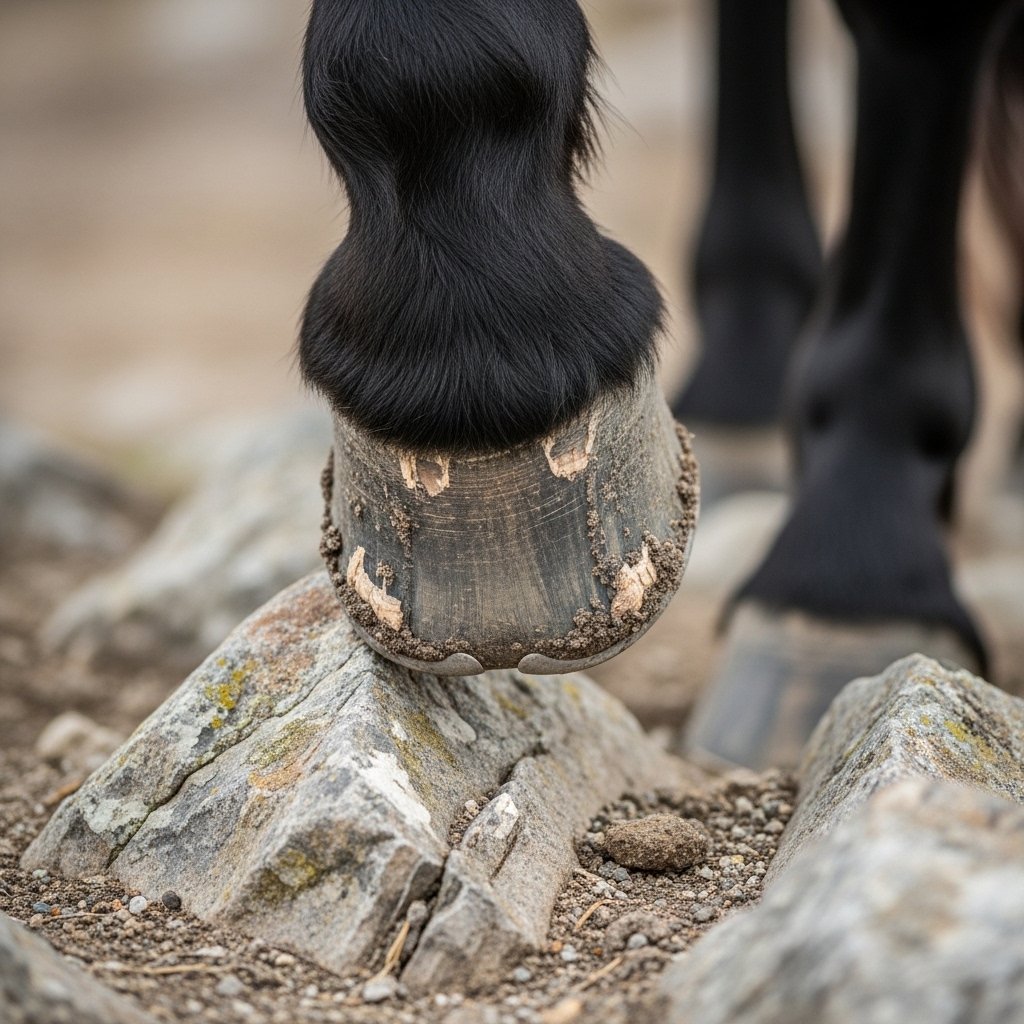
Mustangs develop their hooves through natural wear when they walk on rocky terrains without receiving regular hoof trims. Their hooves show increased density and durability when compared to the hooves of most domesticated horses.
Independent Foraging Skills
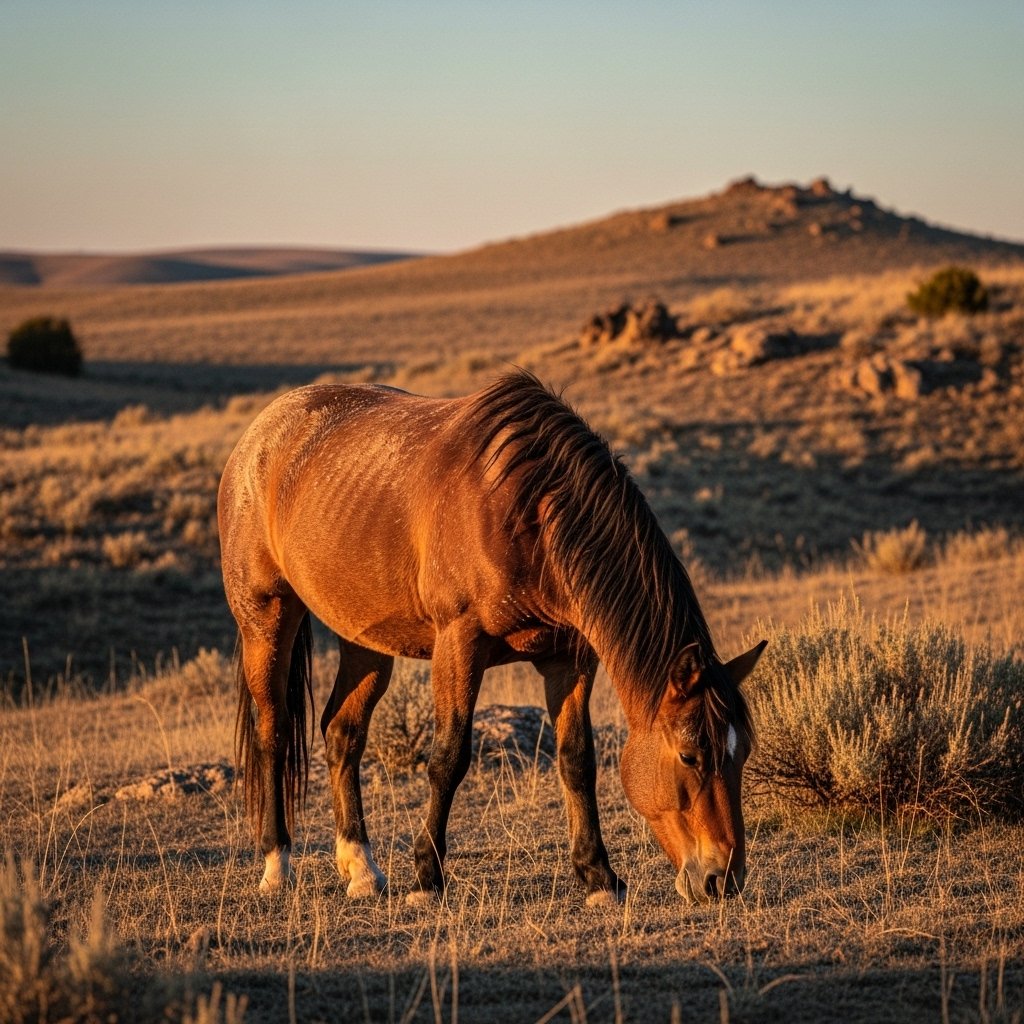
Mustangs find food sources and determine their dietary needs according to seasonal food patterns. Domesticated horses require structured meal times and controlled access to their feeding areas.
Cautious Approach to Humans
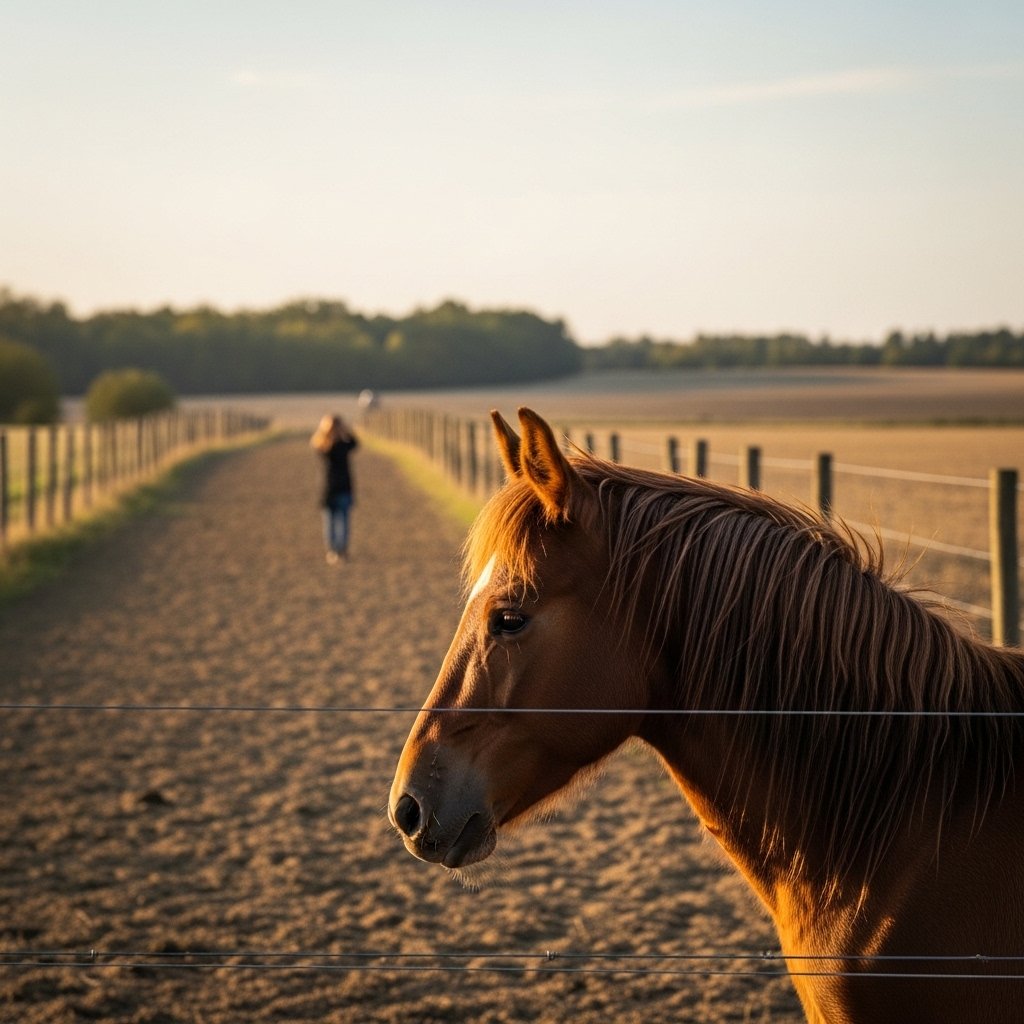
Mustangs typically require gradual trust-building before accepting close handling. From the moment they are born, domesticated horses receive social training to interact with humans.
Adaptability to Harsh Conditions
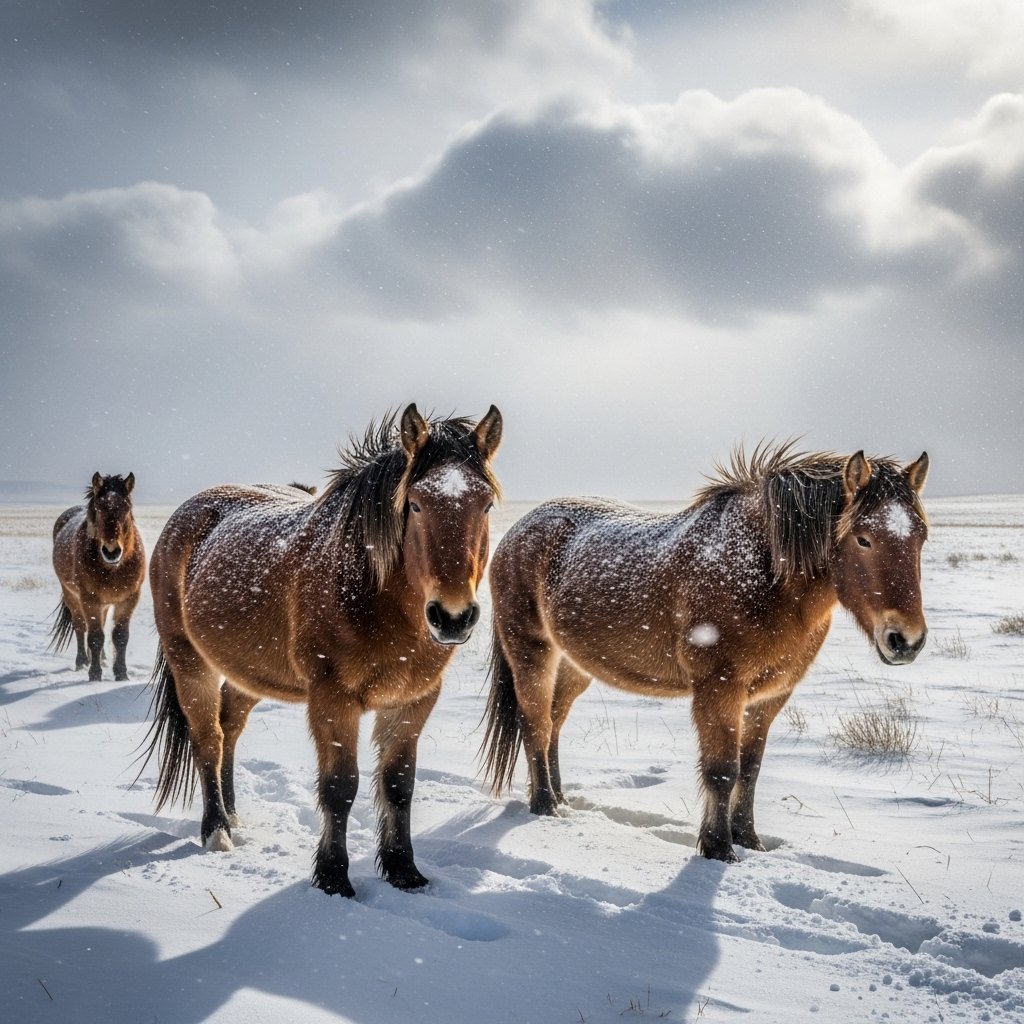
Mustangs survive through extreme temperature conditions and they face limited water access and they traverse different types of terrain. Natural selection favors individuals who possess the ability to adapt to changing conditions.
Strong Social Bonds
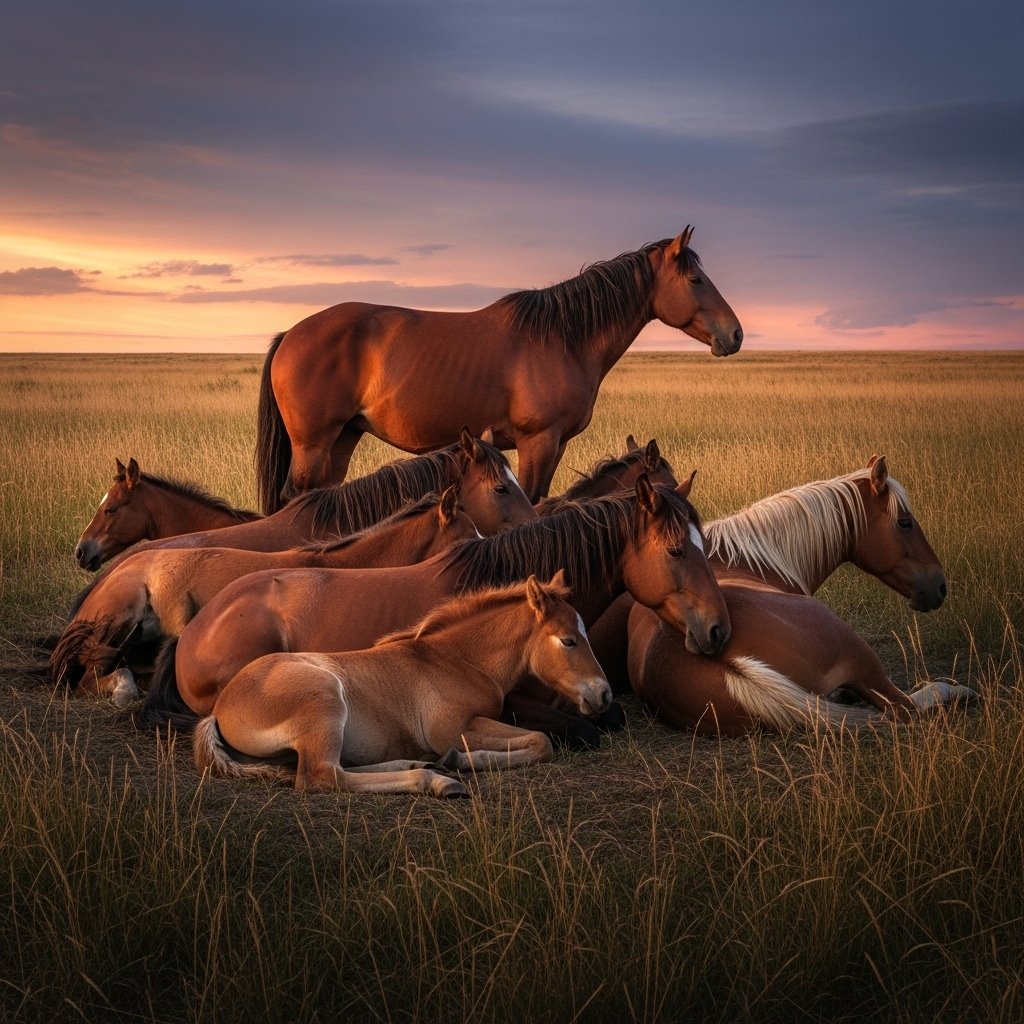
Herd bonds show their necessity for protection purposes. Mustangs create close family ties, which help them to track their surroundings through their shared awareness.
Natural Movement Patterns
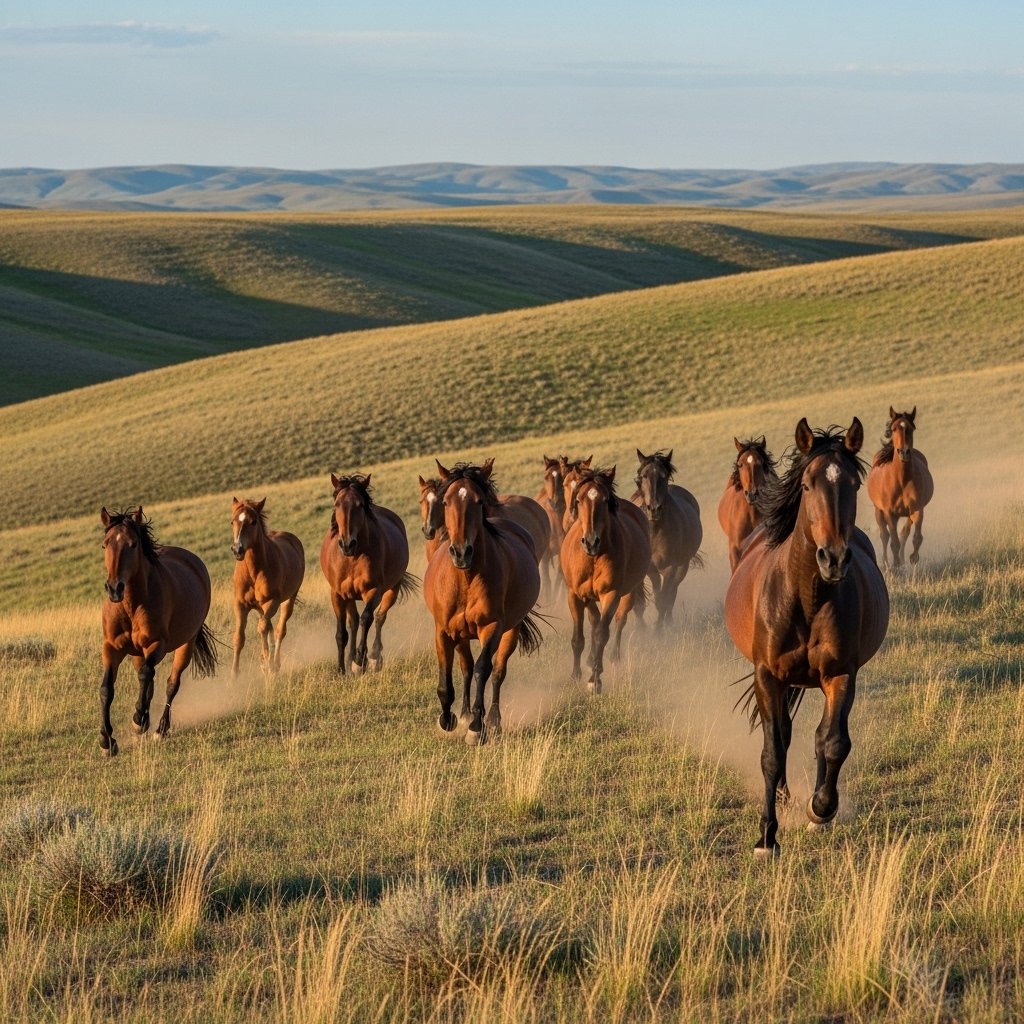
Wild animal groups cover large distances every day to find food and drinking water sources. Domesticated horses in captivity spend their lives inside protected areas.
Behavioral Self-Reliance
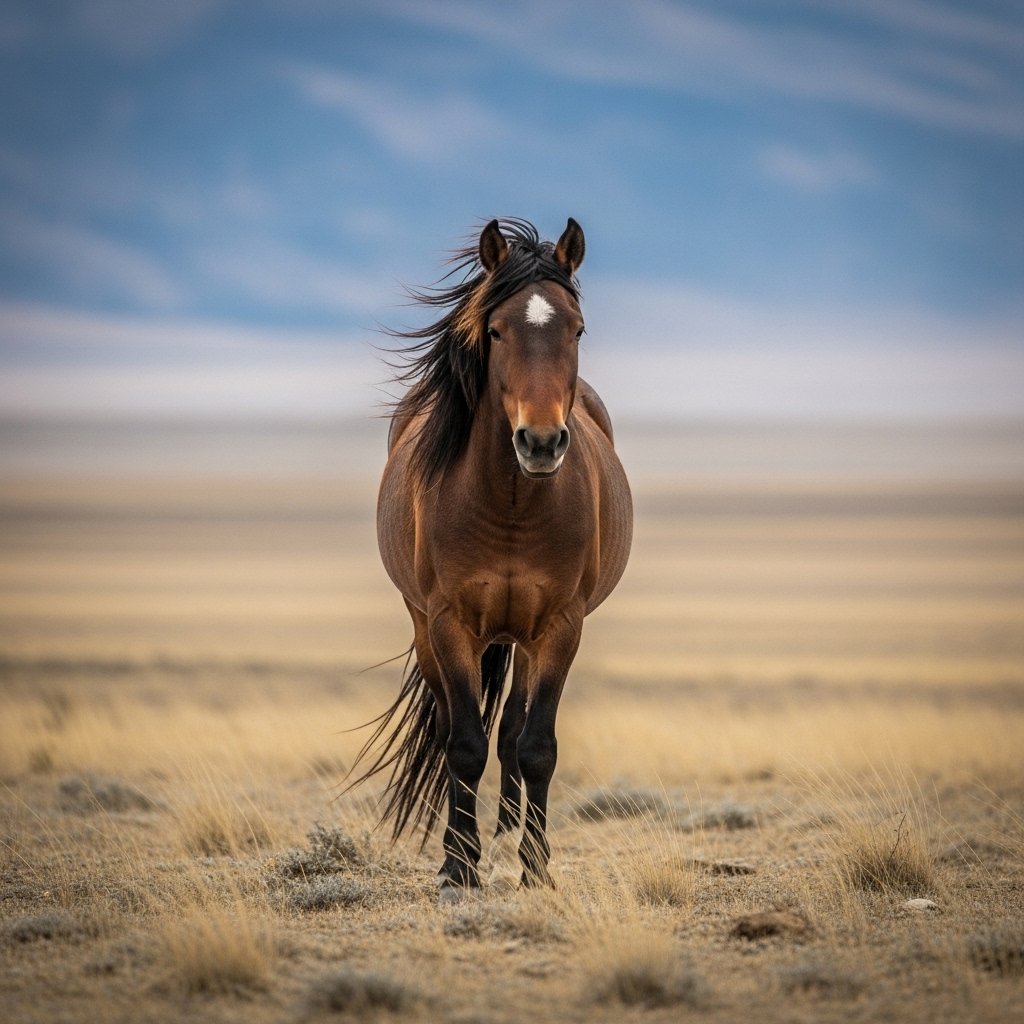
Mustangs develop independent threat response skills through their life experiences in the wild. Their choices arise from their survival knowledge, which exists outside of training signals.
