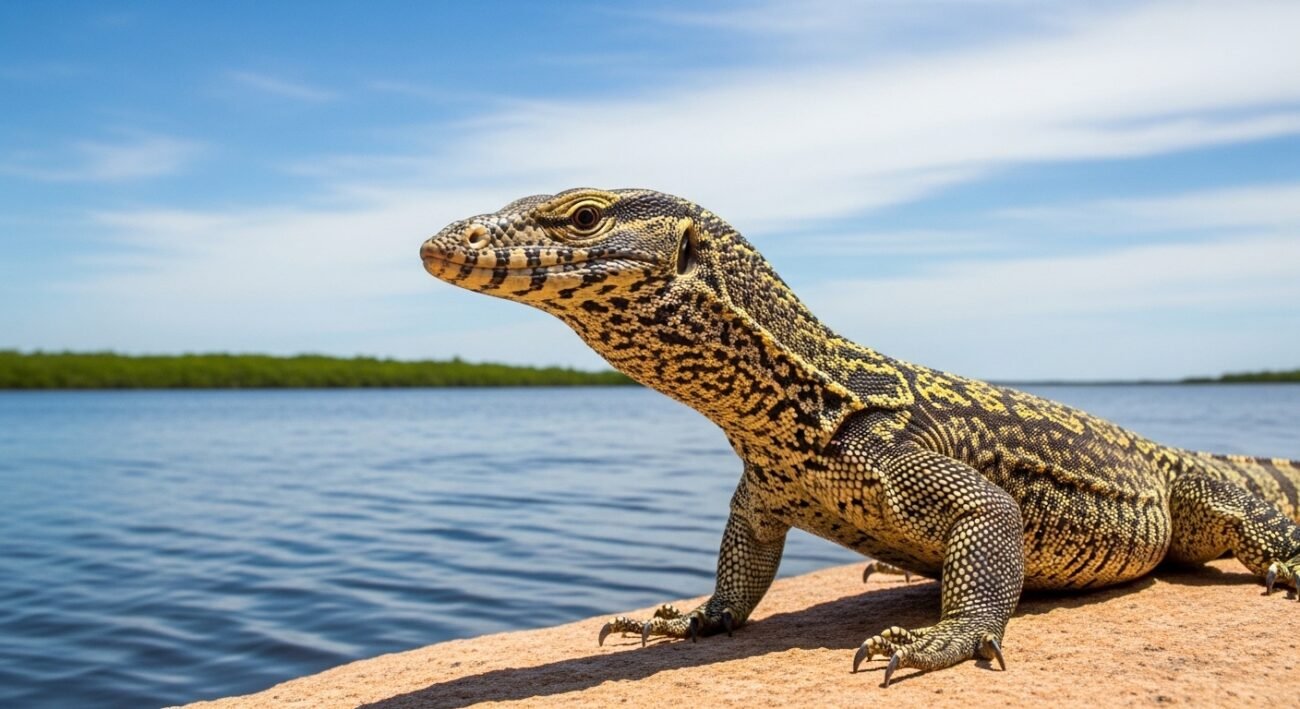
The warm weather and extensive wetlands of Florida draw both tourists and non-native animal species. Authorities are monitoring the Nile monitor lizard, which is a large African lizard that has established itself in multiple regions across the state. Experts are conducting research to remove harmful species but they highlight the need for people to learn about early detection methods. The following list presents ten specific details that explain the current situation.
Large Powerful Lizard
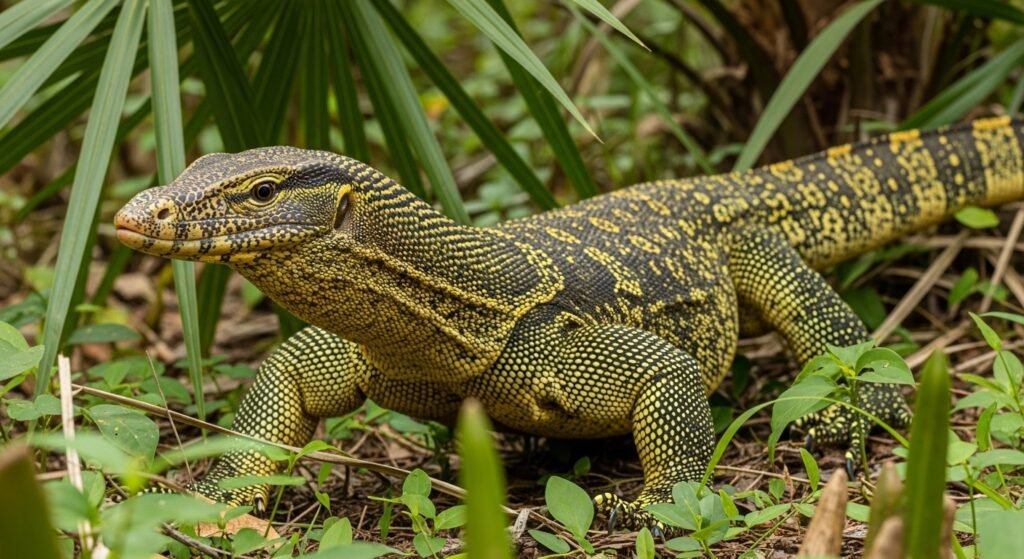
Nile monitors can grow between 4 to 7 feet long, with muscular bodies and strong jaws. Their size alone sets them apart from many native Florida reptiles. The size of juveniles makes them easy to control but adult Nile monitors grow powerful with high mobility which creates difficulties in keeping them restricted after their numbers become established.
Adapted to Wetlands and Suburbs
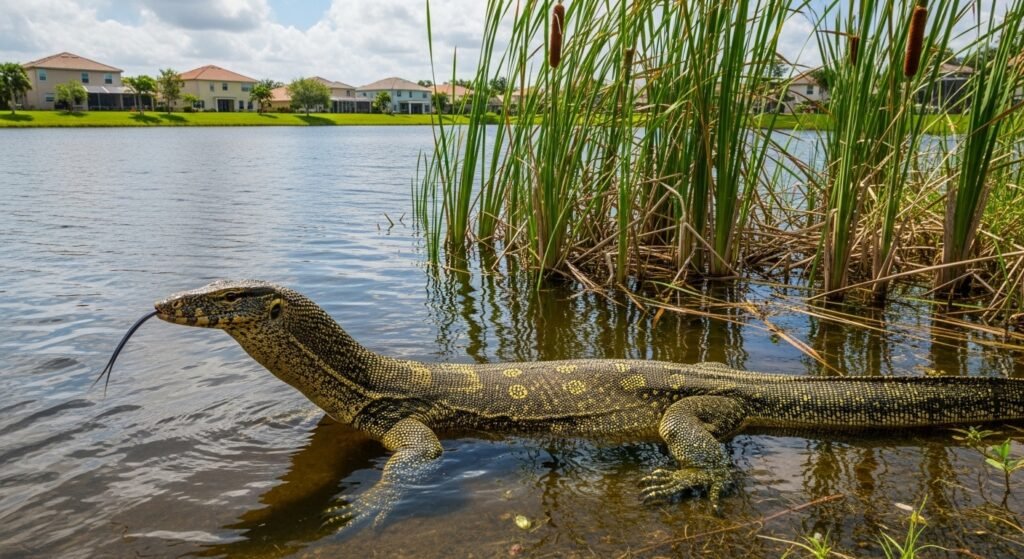
Nile monitors in Africa prefer habitats that include rivers and lakes and marshes. The waterways of Florida, which include canals and retention ponds and mangrove systems, create habitats that match this requirement. Some sightings have occurred near residential neighborhoods, where water access and food sources support survival.
Highly Opportunistic Diet
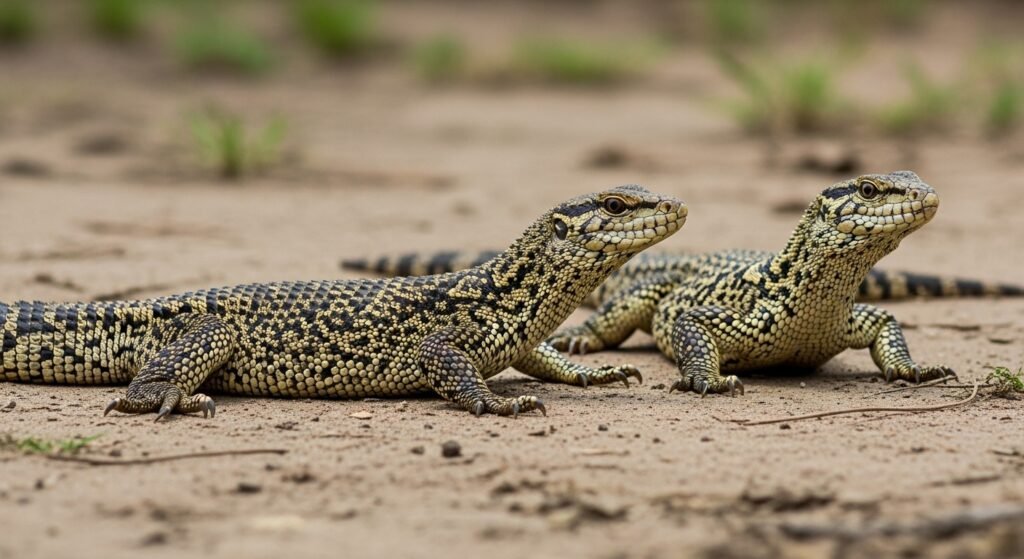
These reptiles eat a wide range of prey, including fish, birds, small mammals, eggs, and carrion. Their flexible feeding habits allow them to adapt quickly to new ecosystems. The affected areas present high risks to ground-nesting birds and turtle nests which become exposed to danger.
Strong Swimmers and Burrowers
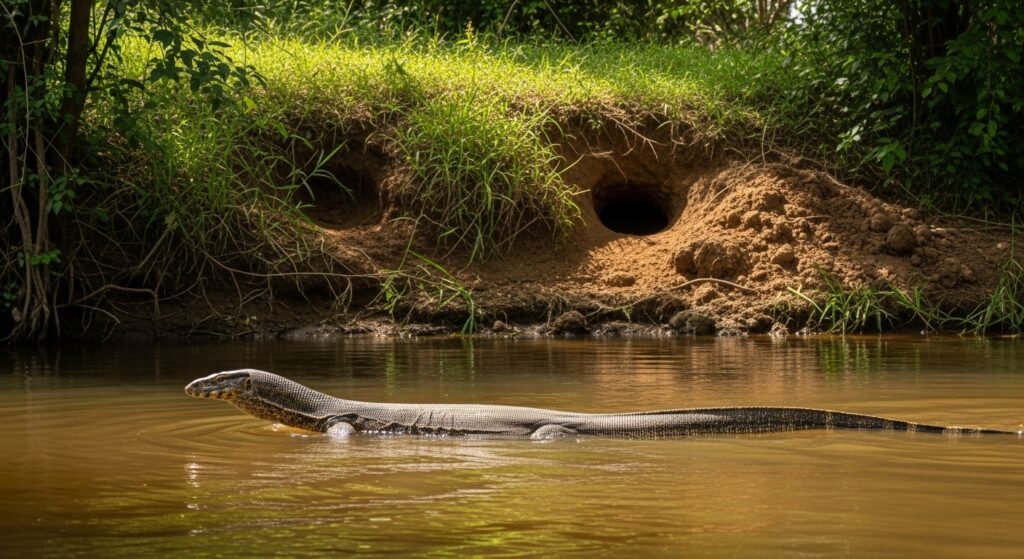
Nile monitors are excellent swimmers and can remain underwater for extended periods. They also dig burrows for shelter, which helps them withstand temperature shifts and evade capture efforts. This combination of skills supports population persistence.
Rapid Reproductive Potential

Females can lay dozens of eggs in a single nesting cycle. Survival rates increase for animals which inhabit warm areas that have no dangerous predators. Wildlife officials track breeding locations to study how populations change over extended periods.
Limited Natural Predators in Florida
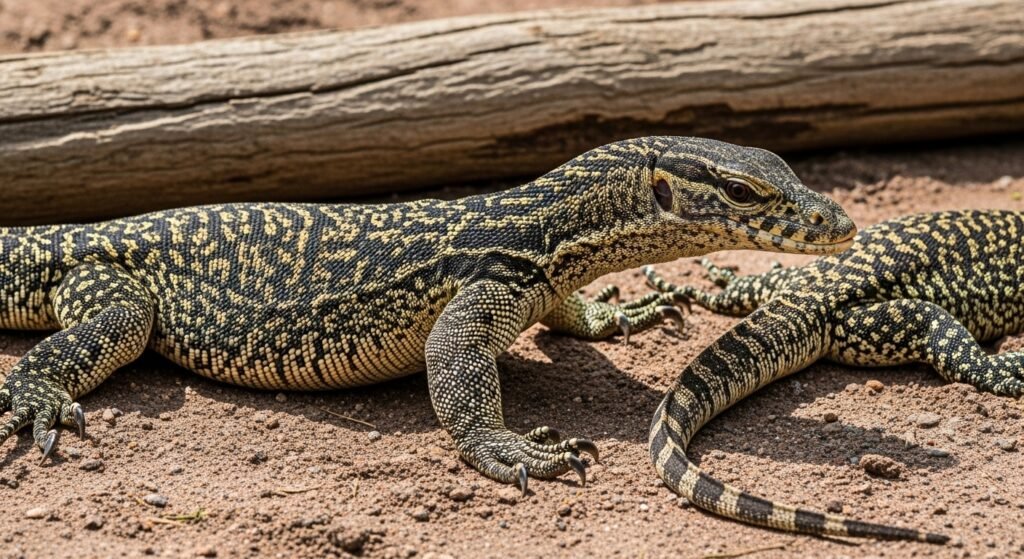
Larger predators maintain population control through their natural behavior within their home territory. The absence of natural population control methods in Florida enables invasive monitor species to spread uncontrolled.
Human Interaction Risks
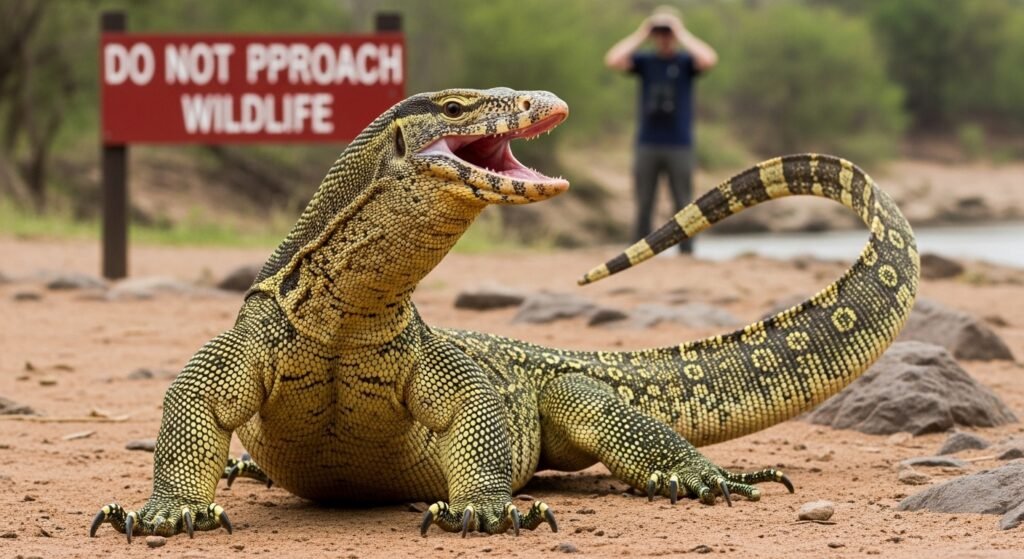
Nile monitors usually avoid humans but they can protect themselves when someone attacks them. Their body includes sharp teeth and strong claws and powerful tails. The officials tell residents to stay back while observing and to report any sightings instead of trying to get closer.
