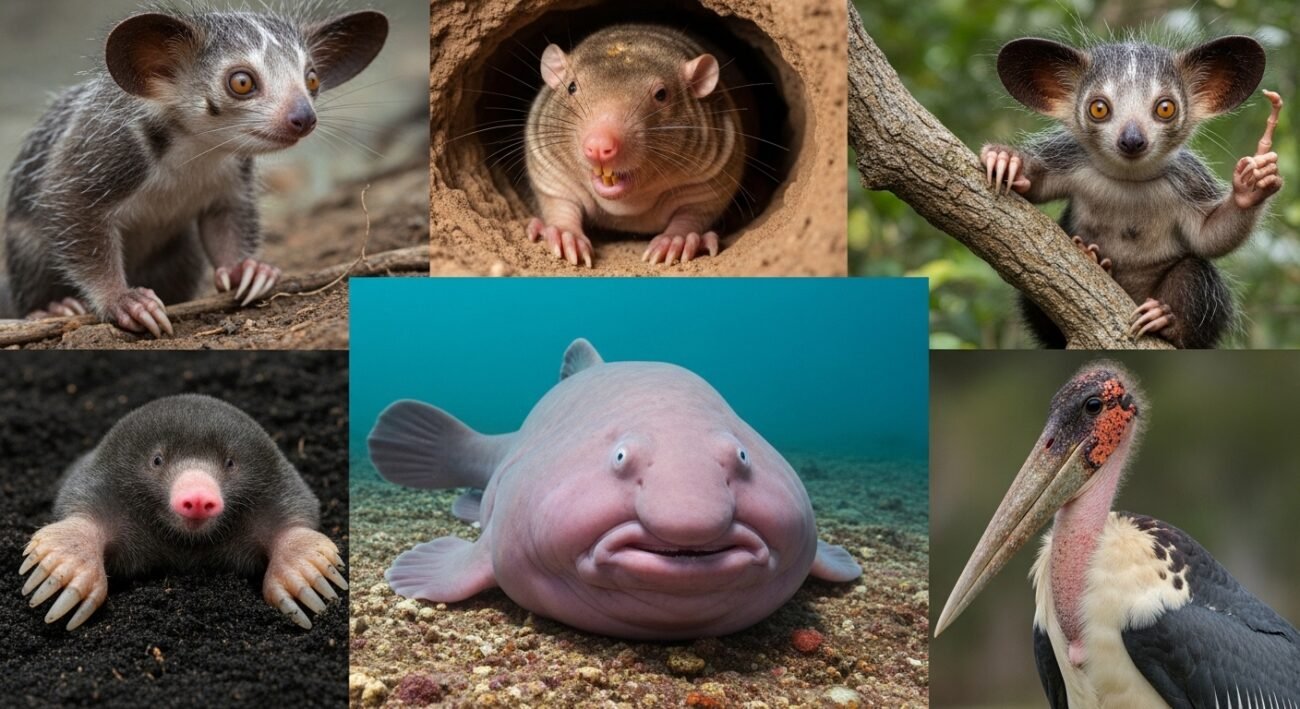
Beauty in the animal kingdom is often defined by symmetry, bright colors, and graceful movement, yet nature does not design every species to meet human expectations. Some creatures survive through unusual shapes, wrinkled skin, and exaggerated features that may appear unattractive at first glance, but each plays an important role in its ecosystem and tells a fascinating evolutionary story.
Blobfish
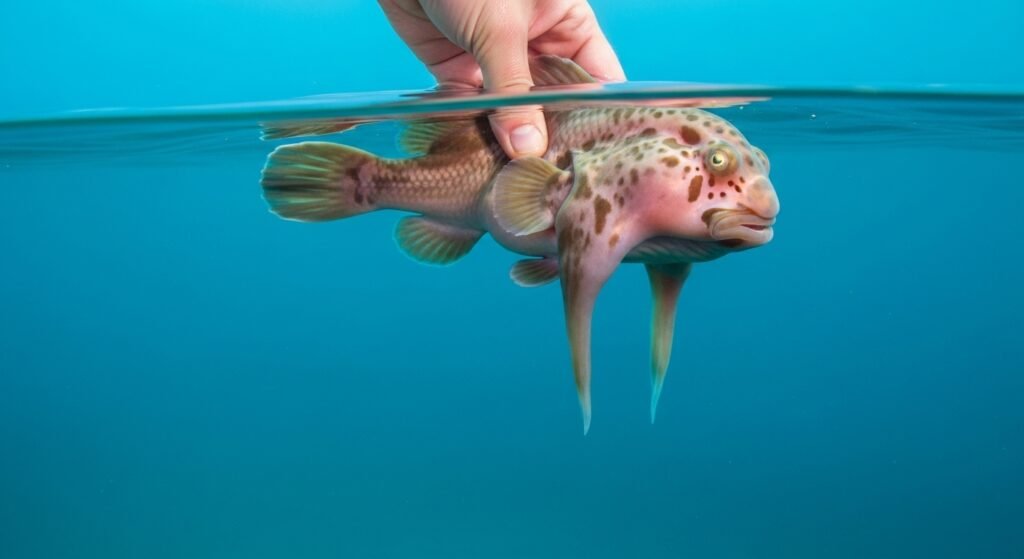
The blobfish gained international attention after being voted the world’s ugliest animal in 2013, largely because of its drooping, gelatinous appearance when brought to the surface. Native to the deep waters off Australia and New Zealand, this species looks dramatically different in its natural high pressure habitat where its body holds a more typical fish shape. Out of water, its soft tissues collapse due to pressure changes, creating the sagging expression that sparked global curiosity. In reality, its jelly like body helps it float just above the seafloor without expending much energy, allowing it to survive in depths where food is scarce.
Aye Aye
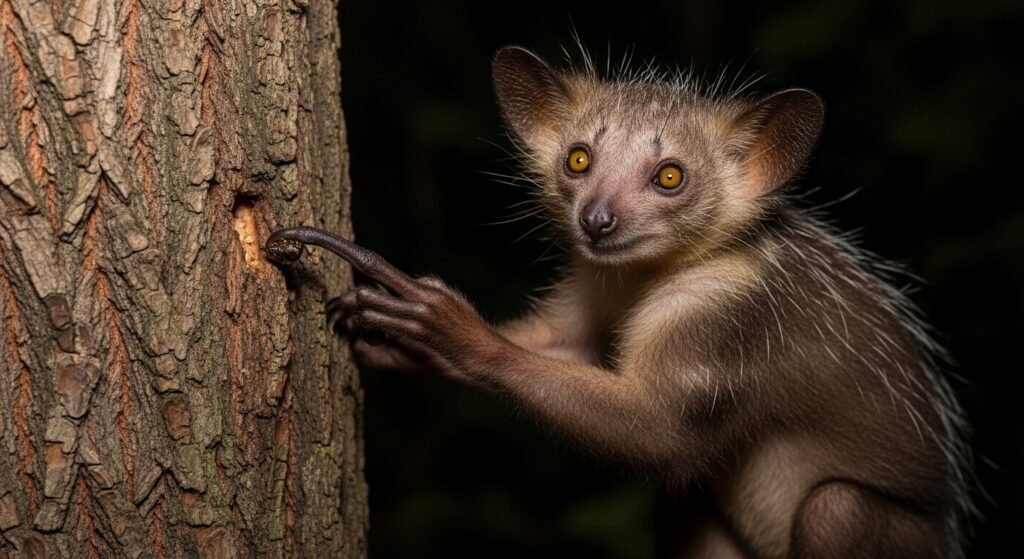
The aye-aye is a nocturnal primate native to Madagascar and is often considered unsettling because of its thin body, large glowing eyes, and extremely long middle finger. This rare lemur uses its elongated finger to tap on tree bark and extract insects hidden inside.Local folklore once labeled it as a bad omen, contributing to its misunderstood reputation. In truth, the aye aye plays an essential role in controlling insect populations and maintaining forest balance.
Star-Nosed Mole
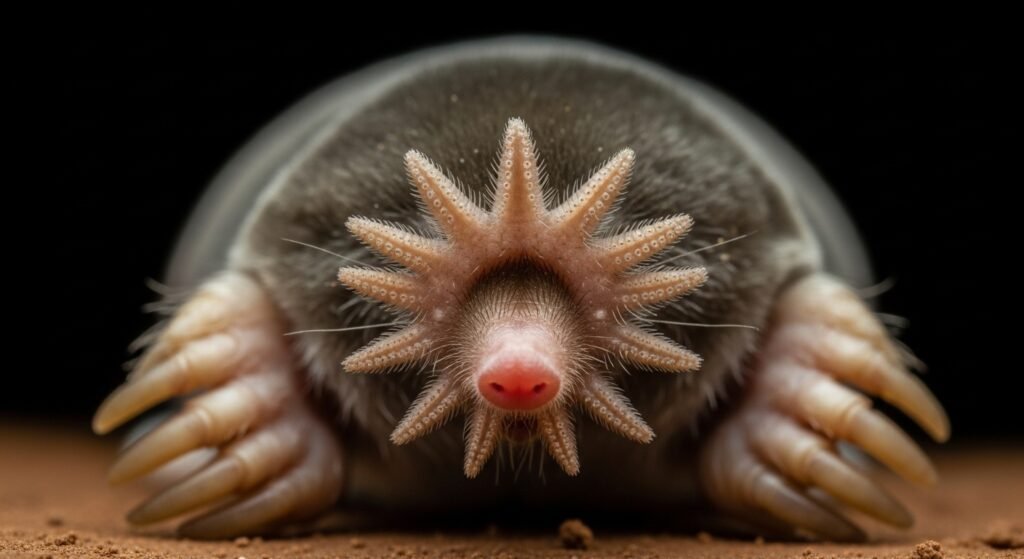
The star nosed mole is found in North America and is famous for the fleshy ring of tentacle like appendages surrounding its nose. These twenty two small projections are packed with sensory receptors, making it one of the fastest foragers in the animal kingdom. Although its appearance may seem alien, the star shaped nose is a highly specialized tool for detecting prey in dark underground tunnels. Its unusual face allows it to identify and consume small insects in fractions of a second.
Goblin Shark
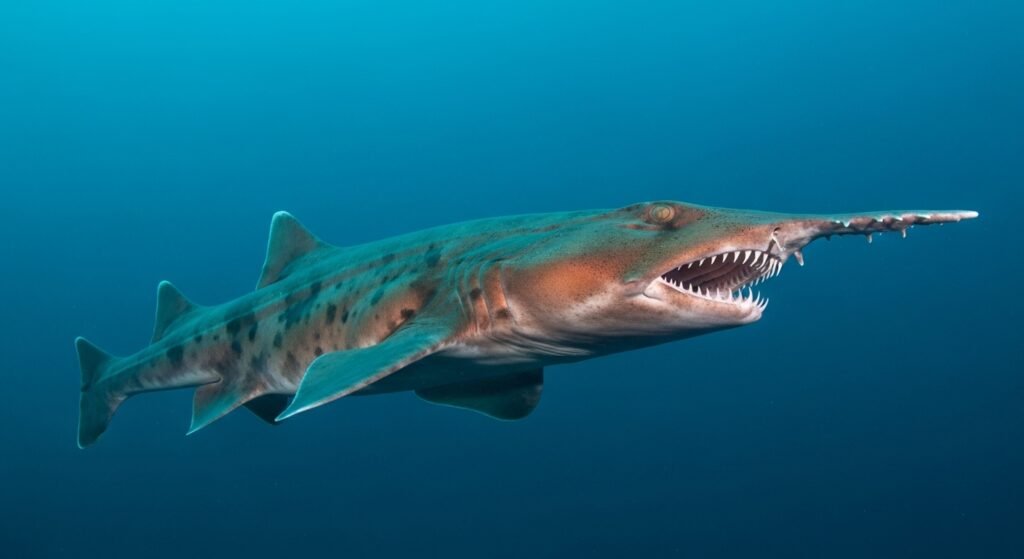
The goblin shark inhabits deep ocean waters and is often called a living fossil because its lineage dates back more than 100 million years. Its long flattened snout and protruding jaw give it a distinctly eerie look compared to other shark species. What makes this shark remarkable is its ability to extend its jaws forward rapidly to capture prey. This rare adaptation helps it survive in the deep sea where encounters with food are unpredictable.
Proboscis Monkey
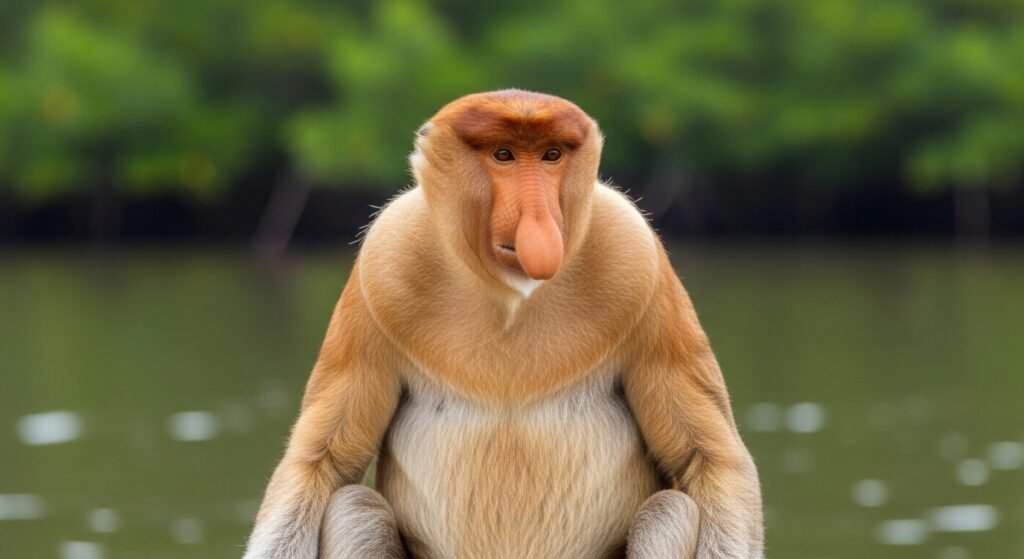
The proboscis monkey lives in the mangrove forests of Borneo and is easily recognized by its unusually large nose, especially in males. This distinctive feature can grow several inches long and hangs prominently over the mouth. Researchers believe the enlarged nose helps amplify vocal calls and attract mates, though it also contributes to the monkey’s humorous appearance. Despite its comical look, the proboscis monkey is an excellent swimmer and plays a vital role in seed dispersal within its habitat.
Warthog
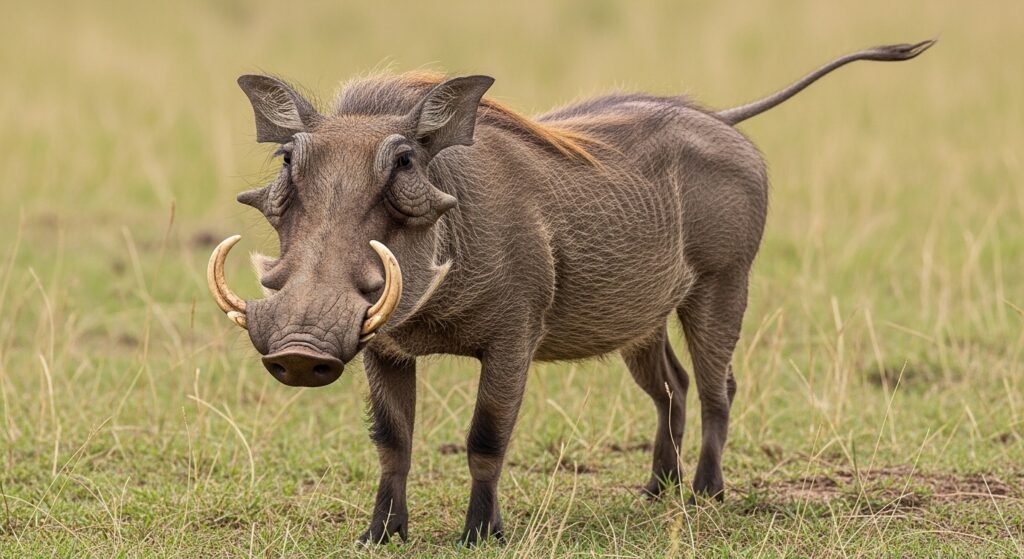
The warthog roams the grasslands of Africa and is characterized by its large curved tusks and wart-like facial growths. Its coarse hair and rugged features often place it on lists of unattractive animals. However, those facial pads actually protect the warthog during fights with rivals. Agile and resourceful, it can sprint at impressive speeds and often retreats into burrows tail first to defend itself.
Chinese Crested Dog
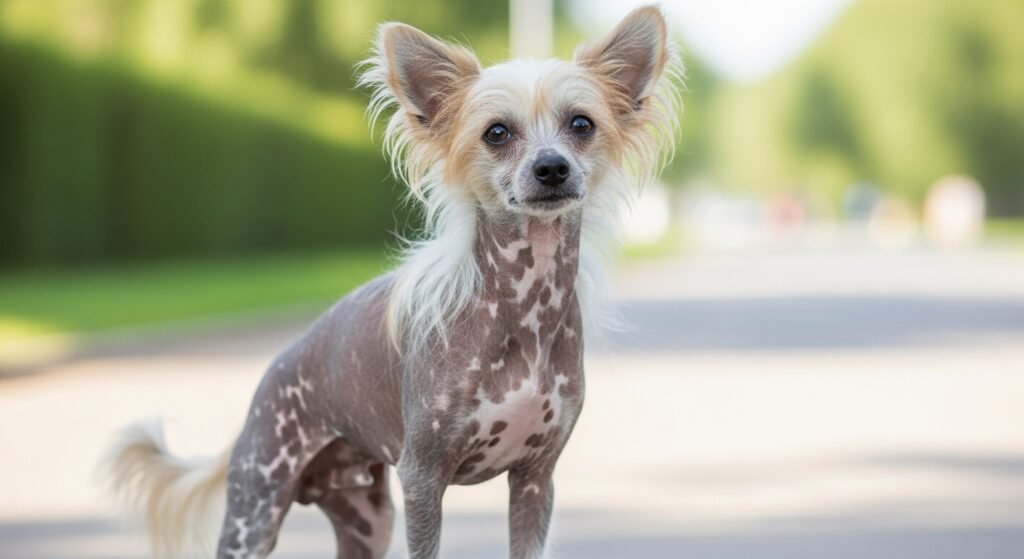
The Chinese crested dog is a domestic breed known for its sparse hair, exposed skin, and tufts of fur on the head, feet, and tail. This breed frequently appears in annual contests that celebrate unconventional canine beauty. Despite its unusual look, the Chinese crested is affectionate and lively. Its minimal coat requires special skin care, but it has become a beloved companion in many households around the world.
Gharial
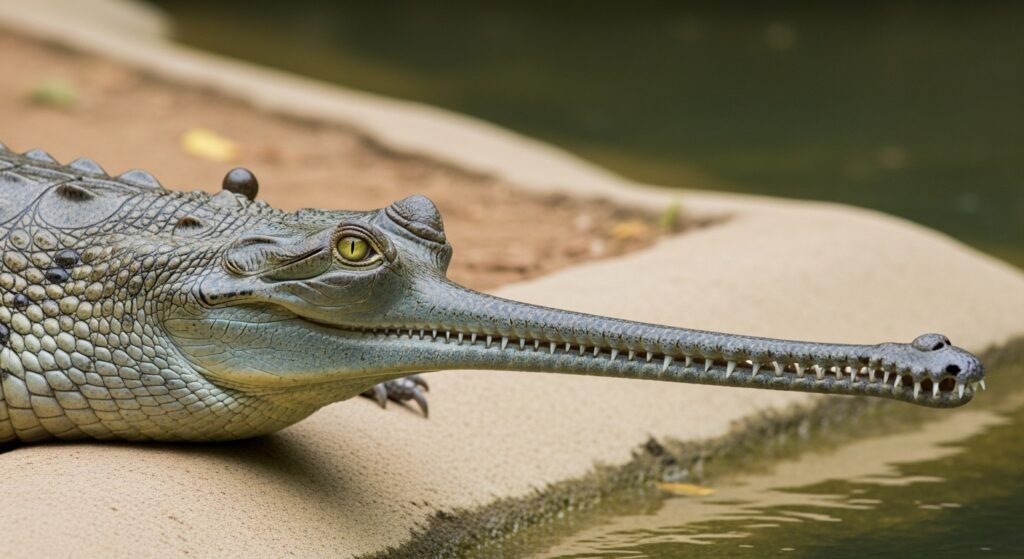
The gharial is a crocodilian native to the rivers of the Indian subcontinent and stands out because of its long, narrow snout filled with sharp teeth. Males develop a bulbous growth at the tip of the snout, giving them a distinctive profile. While its elongated jaw may look awkward compared to other crocodiles, it is perfectly designed for catching fish in swift currents. The gharial is critically endangered, making conservation efforts crucial for its survival.
