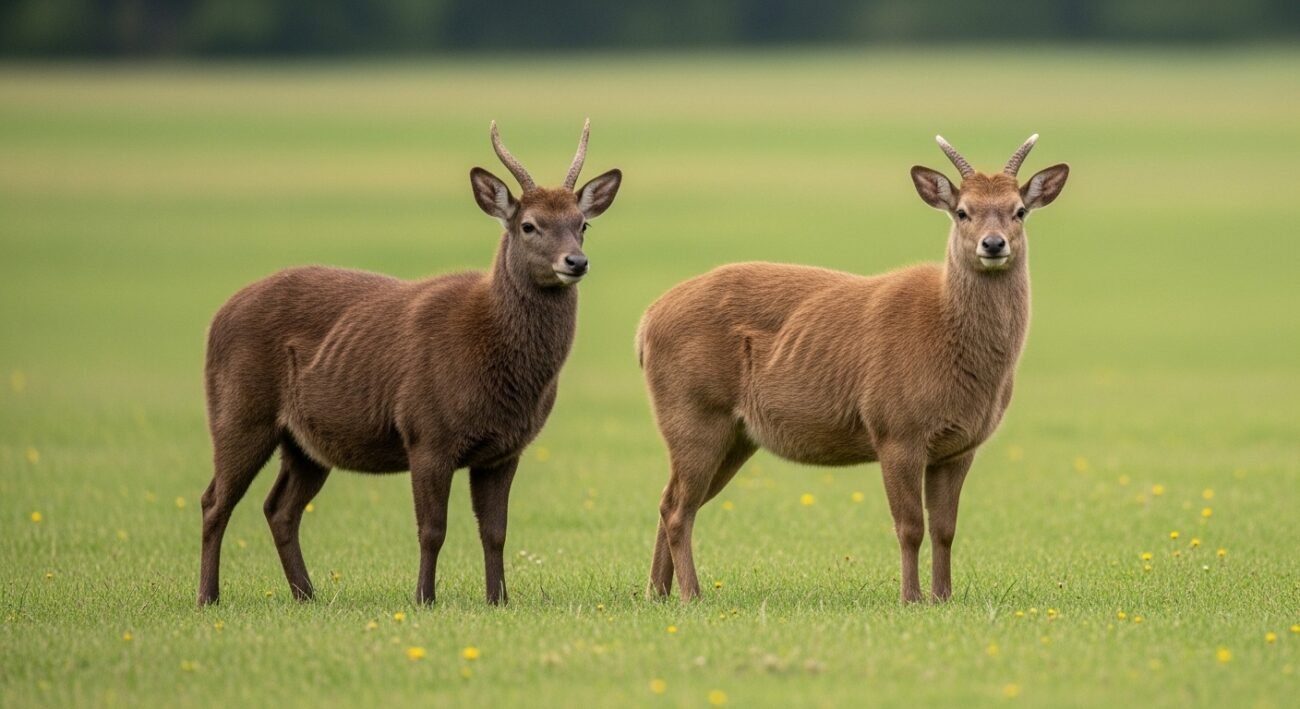
For decades, scientists have assumed that wild animals view humans as the ultimate threat, responding with intense fear compared to other predators. Yet emerging research in animal behavior is challenging that long-held belief, revealing a more nuanced picture of how wildlife interprets human presence. Instead of reacting with uniform panic, many species appear to distinguish between different types of human activity and adjust their responses accordingly.
Humans as Super Predators
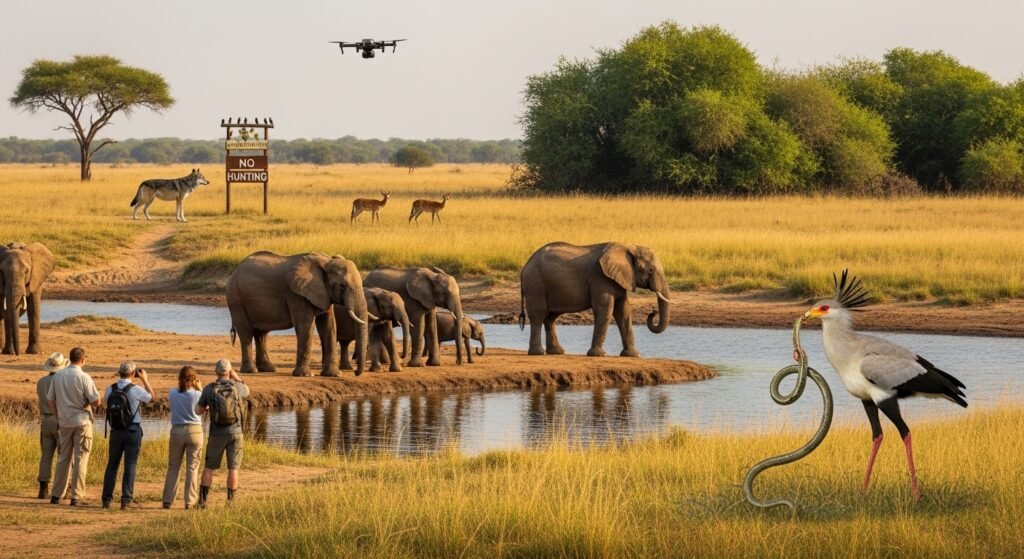
For years, ecologists described humans as “super predators” because of our ability to hunt, alter landscapes, and influence ecosystems on a massive scale. While this label reflects real environmental impact, behavioral studies show that wildlife does not always respond to humans with the same level of fear reserved for apex predators, especially in areas where direct threats are rare.
Playback Experiment Findings
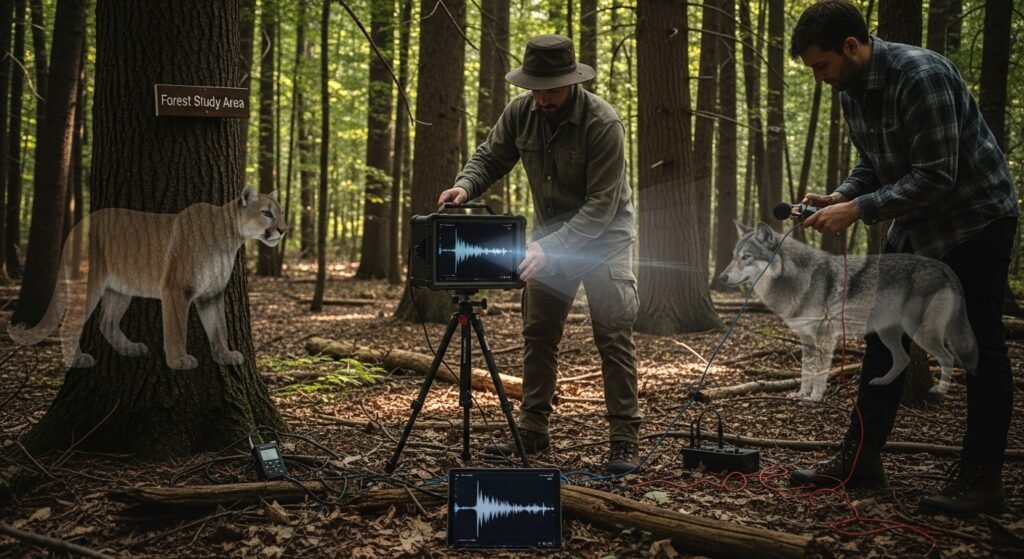
Controlled playback experiments have helped clarify these reactions. In forest studies, researchers broadcast recordings of human speech alongside predator sounds such as the Cougar and the Gray Wolf, observing that responses varied by region and prior exposure rather than following a single predictable pattern.
Hunting Pressure Matters
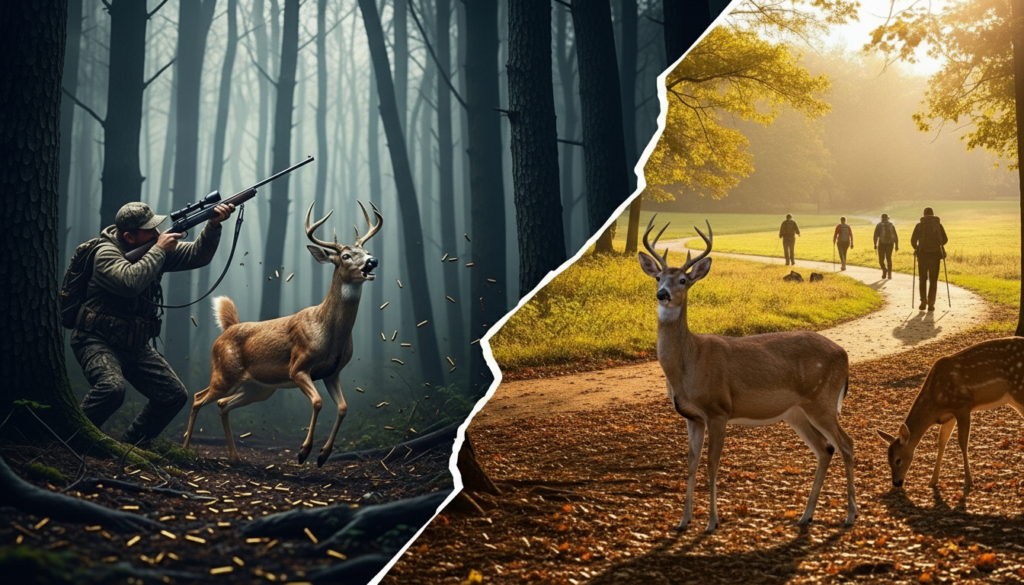
Wildlife responses are strongly shaped by local hunting intensity and disturbance levels. In heavily hunted landscapes, animals often flee quickly at human cues, while in protected reserves with limited human threat, they may remain alert but not immediately retreat, showing that experience influences perceived danger.
Urban Versus Rural Wildlife
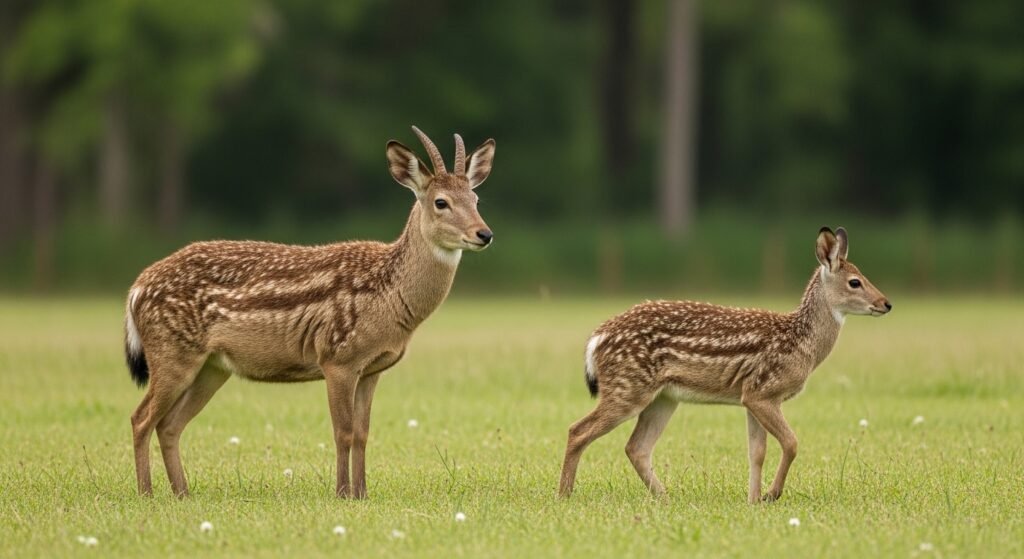
Urban and suburban animals frequently display shorter flight distances compared to their rural counterparts. Species living near cities grow accustomed to routine human movement, learning to differentiate between harmless activities like walking on trails and behaviors that signal genuine risk.
Learning and Habituation

Habituation plays a central role in shaping animal reactions. When encounters with humans consistently lack negative consequences, animals conserve energy by reducing unnecessary escape responses, though they typically maintain a baseline level of caution in unfamiliar situations.
Species Differences
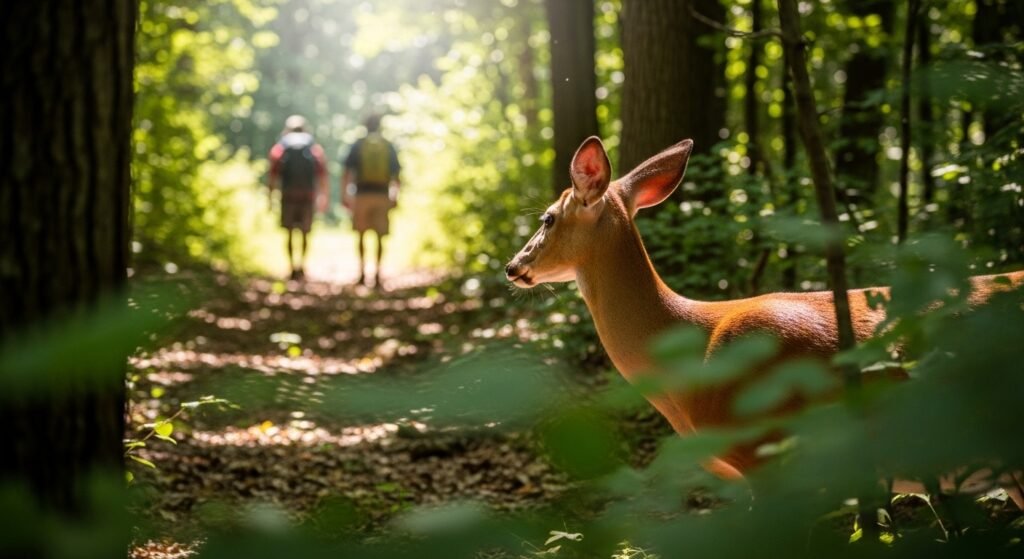
Not all species interpret human presence the same way. Research on the White-tailed Deer shows that individuals in high visitor areas often resume feeding shortly after people pass, while those in regions with frequent hunting remain hidden longer, highlighting the role of ecological context.
Conservation Implications

Recognizing that fear responses vary can improve wildlife management strategies. By understanding how animals perceive different types of human activity, conservation planners can design visitor guidelines and habitat protections that reduce unnecessary stress on wildlife populations.
Predictability Reduces Stress
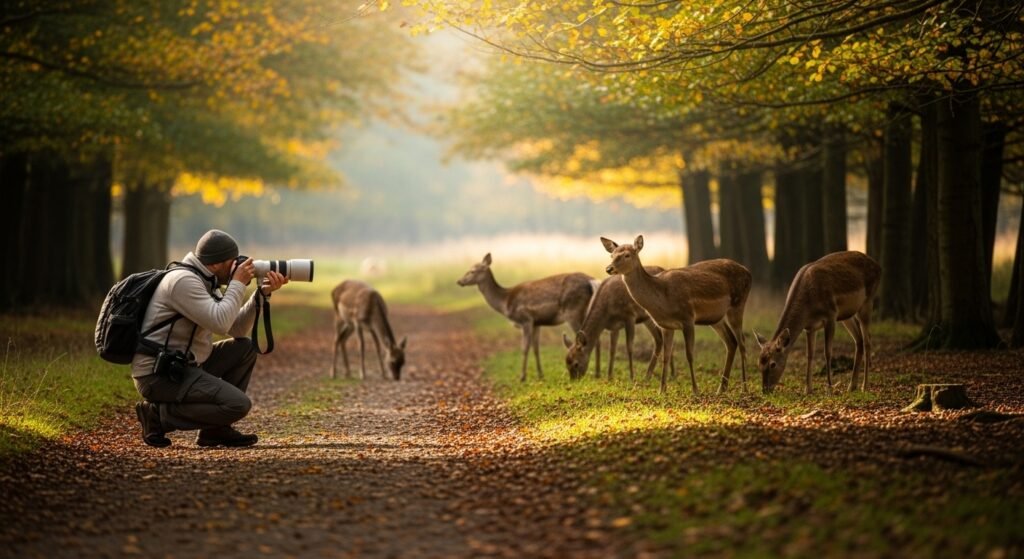
Animals respond strongly to unpredictability. Sudden movements, loud disturbances, or off-trail activity tend to trigger stronger reactions than steady and predictable human behavior, suggesting that consistent patterns can support more stable coexistence.
Shifting Public Perception
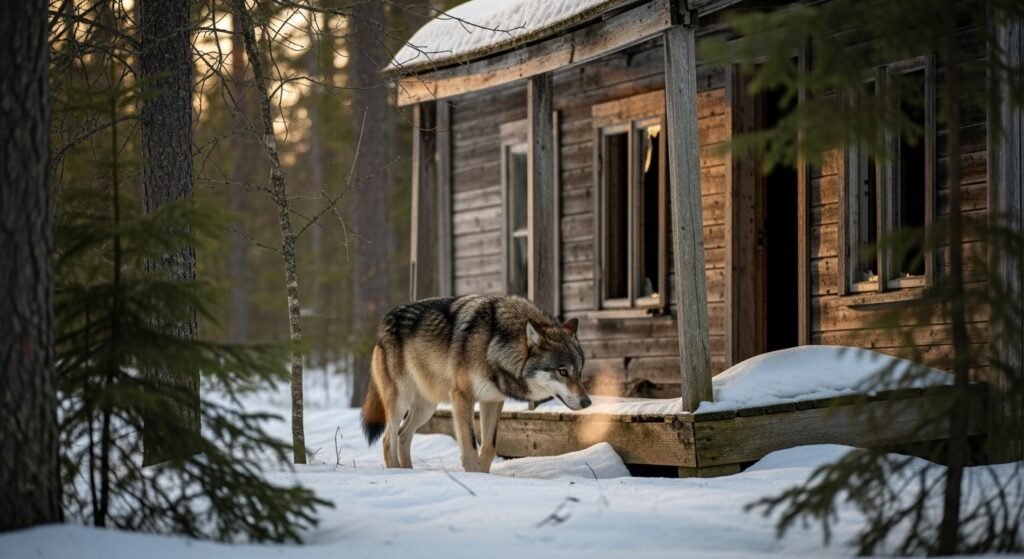
The idea that humans are always the most frightening presence in nature oversimplifies ecological realities. While human influence remains significant, wildlife behavior reflects adaptation, learning, and environmental context rather than automatic fear alone.
Coexistence Is Possible

Current research suggests that coexistence depends more on how people behave than on mere human presence. When individuals act responsibly and minimize disruption, many species demonstrate the capacity to adjust, creating space for balanced interaction between human communities and the natural world.
