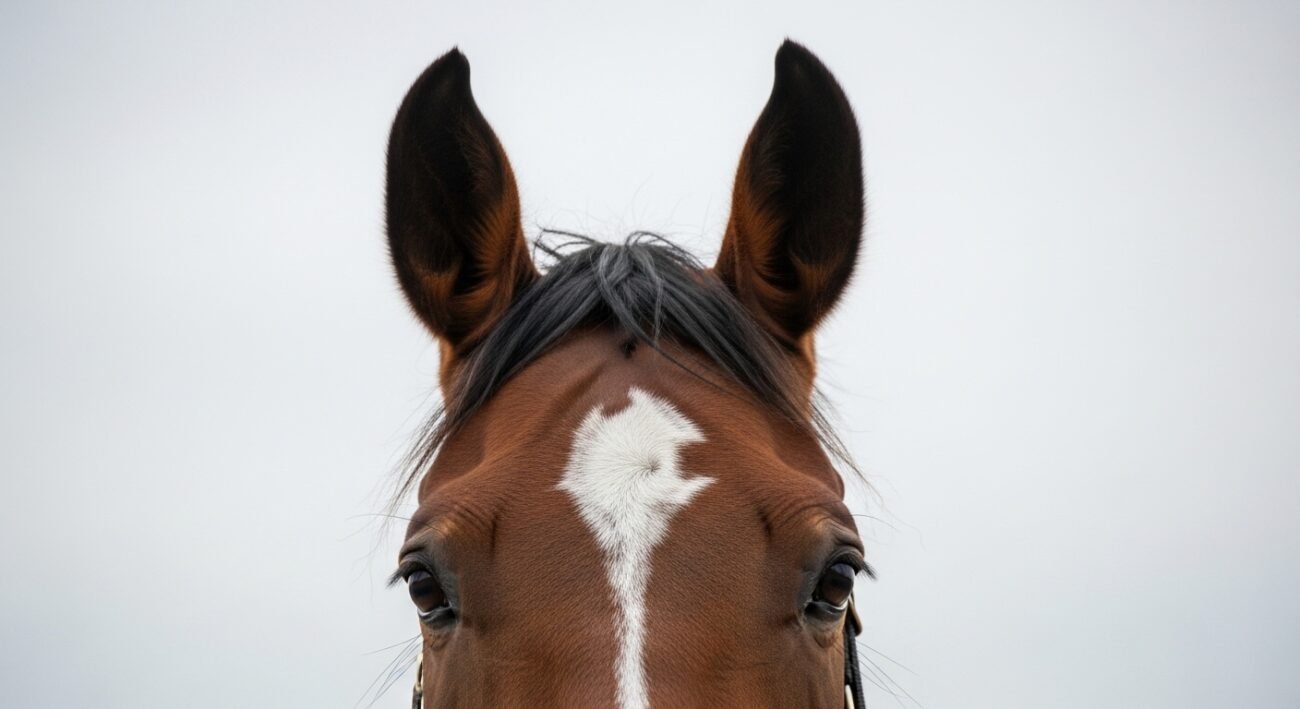
The first time you stand close to a horse you will notice that their eyes rest at a distance from each other across the width of their head. The head structure developed through evolution to help horses survive better in their natural environment. Horses developed their visual system through evolution to support their alertness needs as grazing animals. This feature exists because of ten specific reasons which better explain its existence.
Wider Field of Vision
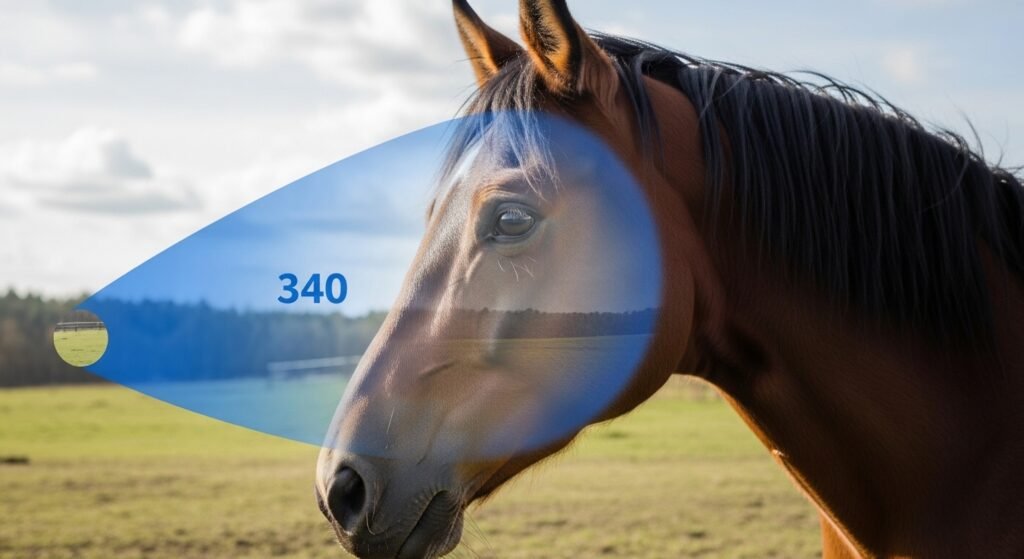
Horses use their side eyes to achieve an extremely wide viewing range. Horses possess a vision ability which enables them to see almost 340 degrees around their body without needing to turn their head.
Built for Prey Survival
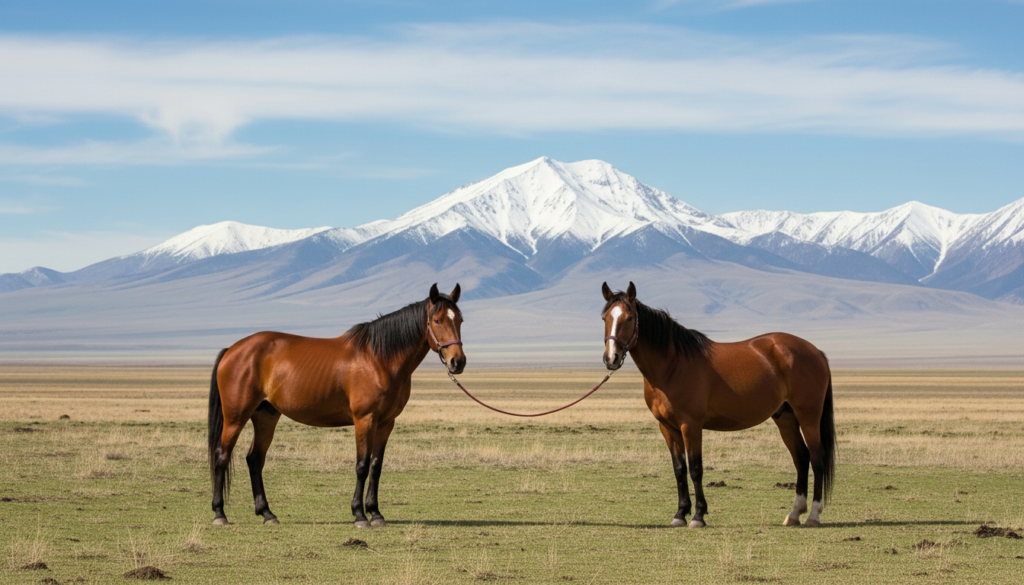
Horses evolved on open plains where early detection of movement mattered. A panoramic view increases awareness of potential environmental changes.
Reduced Blind Spots Behind
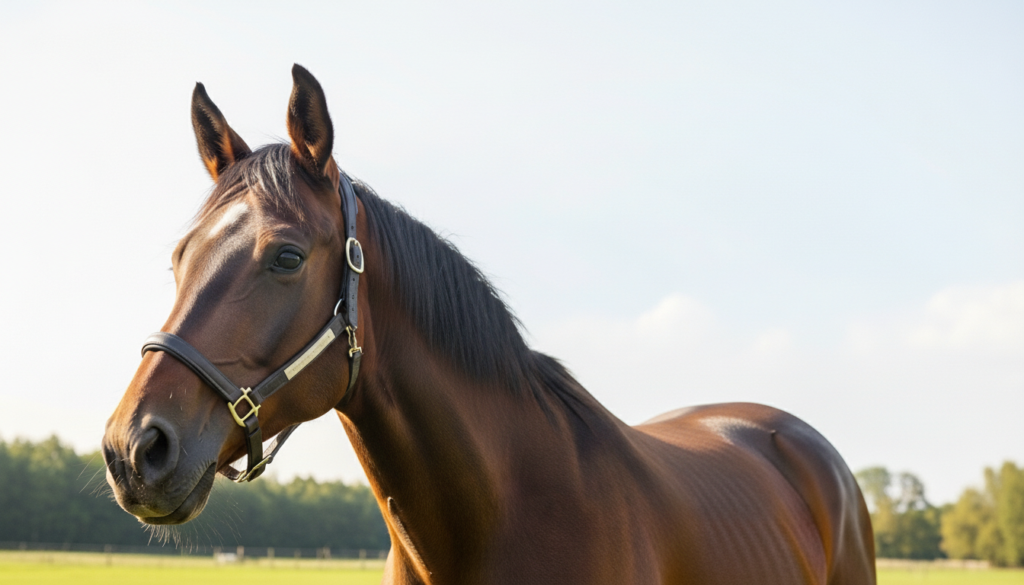
Horses use their wide vision ability to reduce their blind area which extends behind them. The behavior shows why horses become alarmed when someone approaches from behind them.
Independent Eye Function
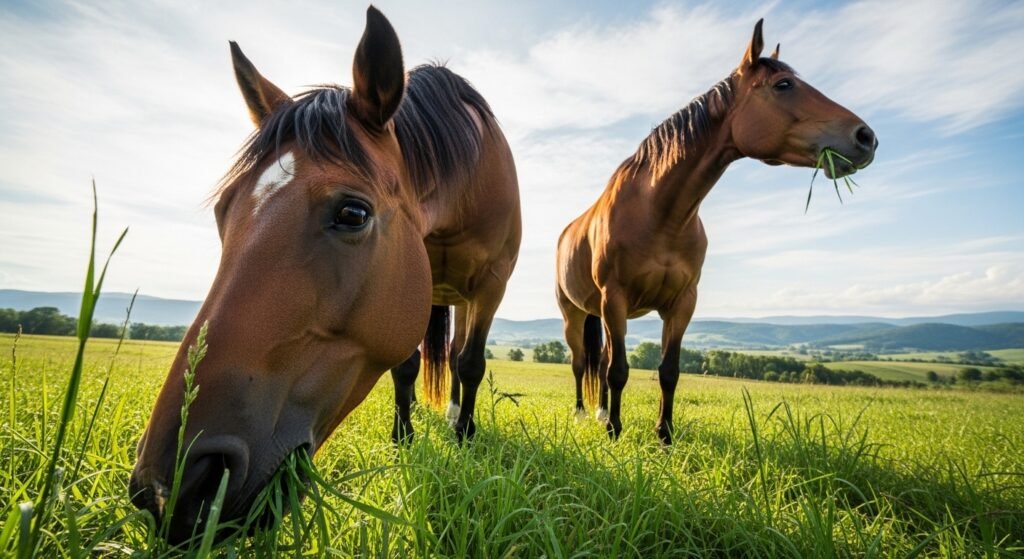
Each eye can focus on different objects at the same time. A horse uses this ability to eat grass while searching for distant objects.
Excellent Peripheral Vision
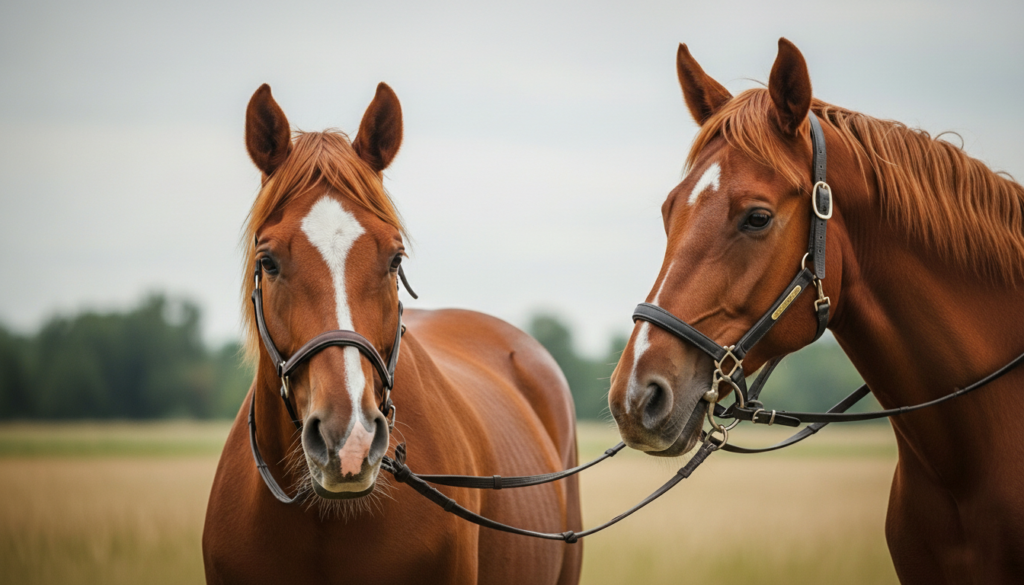
Horses improve their ability to see outside their main focal point. Horses possess fast motion detection abilities which enable them to react quickly.
Limited Depth Perception Up Close
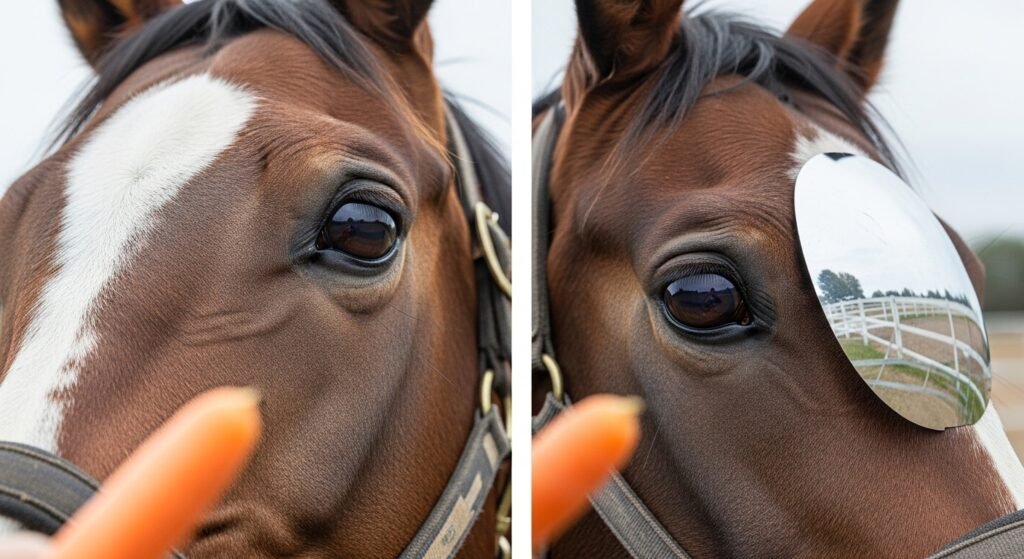
Side vision extends visual reach but it decreases depth perception for objects located directly in front of the nose. Horses use head movements to achieve better distance estimation.
Clear Horizon Scanning
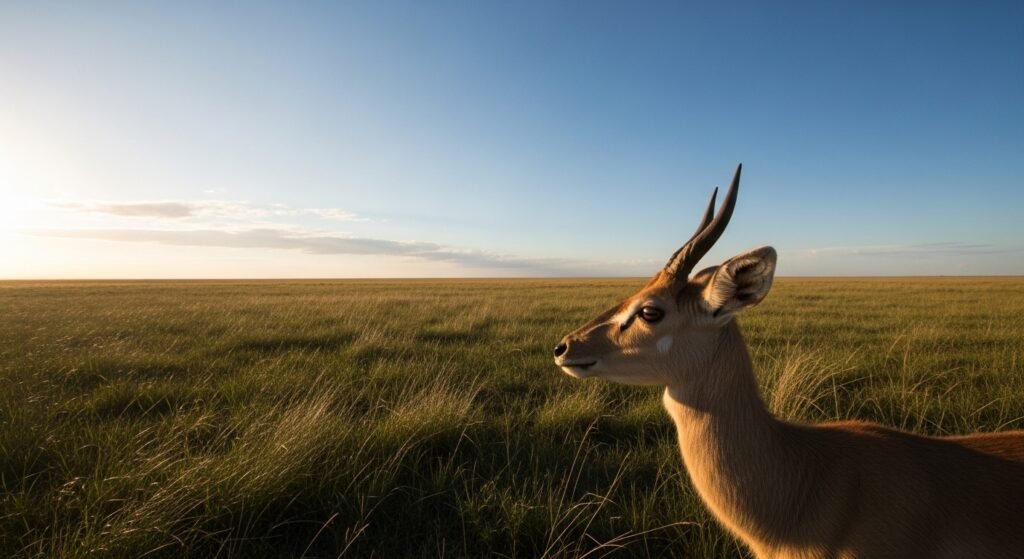
Their eye placement supports scanning wide, flat landscapes. This matches their evolutionary habitat of grasslands and open fields.
Sensitivity to Movement
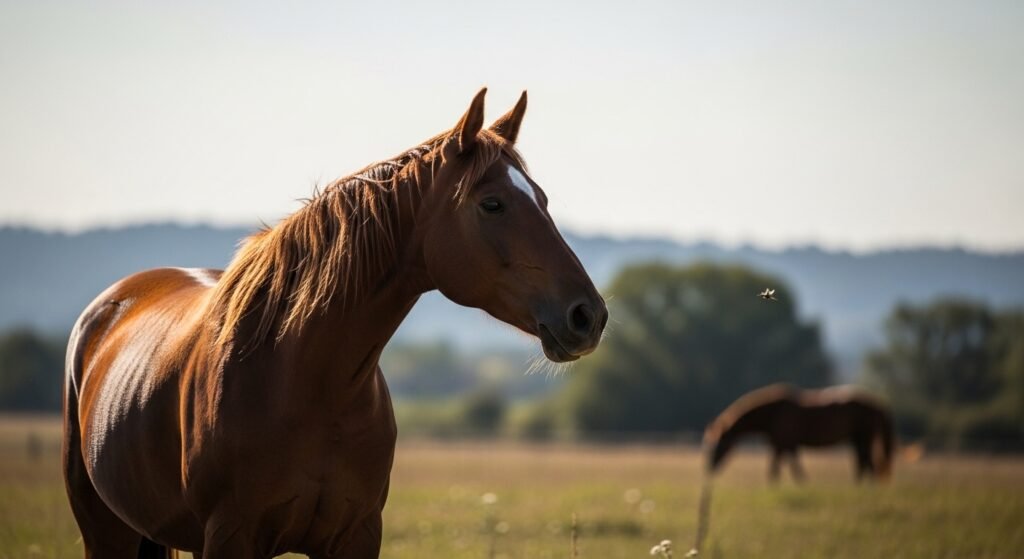
Horses show more reaction to moving objects than to observing small details. Their side view capability enables them to perceive even slight changes that occur in their surroundings.
Coordination With Head Movement
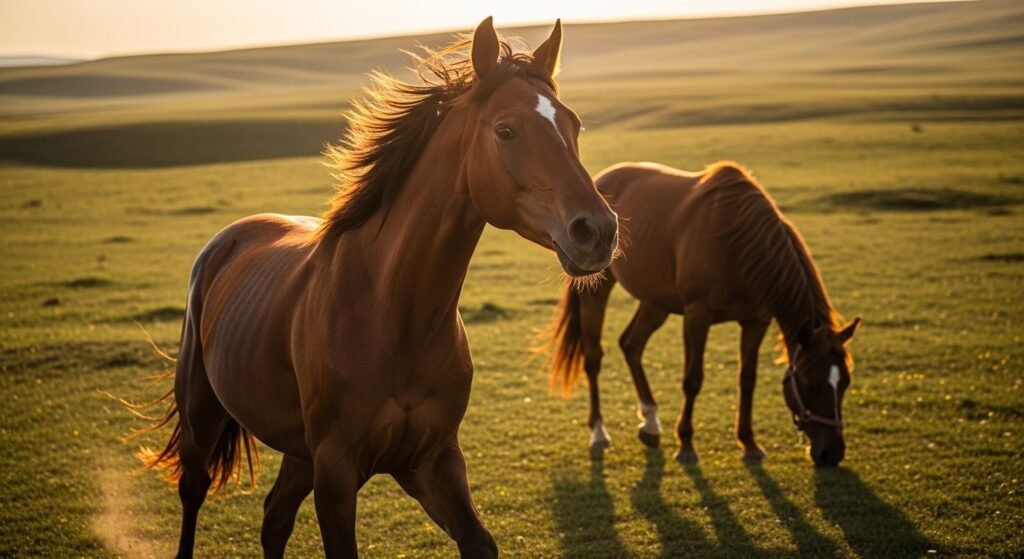
Horses use their head movements to establish their visual focus. Head positions determine how they perceive objects at different distances and depth levels.
Balanced Trade-Off
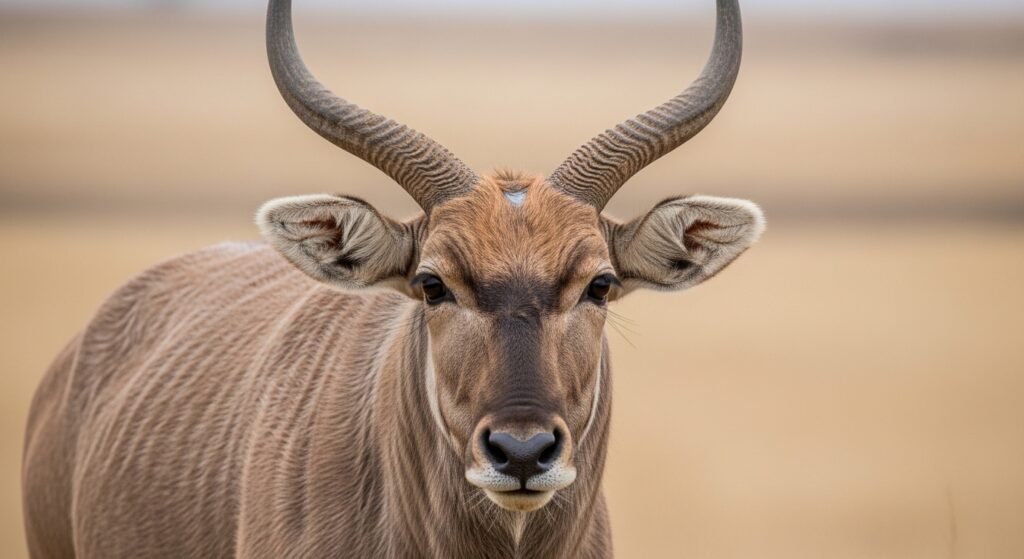
Eye placement represents a balance between awareness and precision. The ability to see wide areas from a single point offers better benefits to a large grazing animal than the ability to see through binoculars which focus on objects directly ahead.
