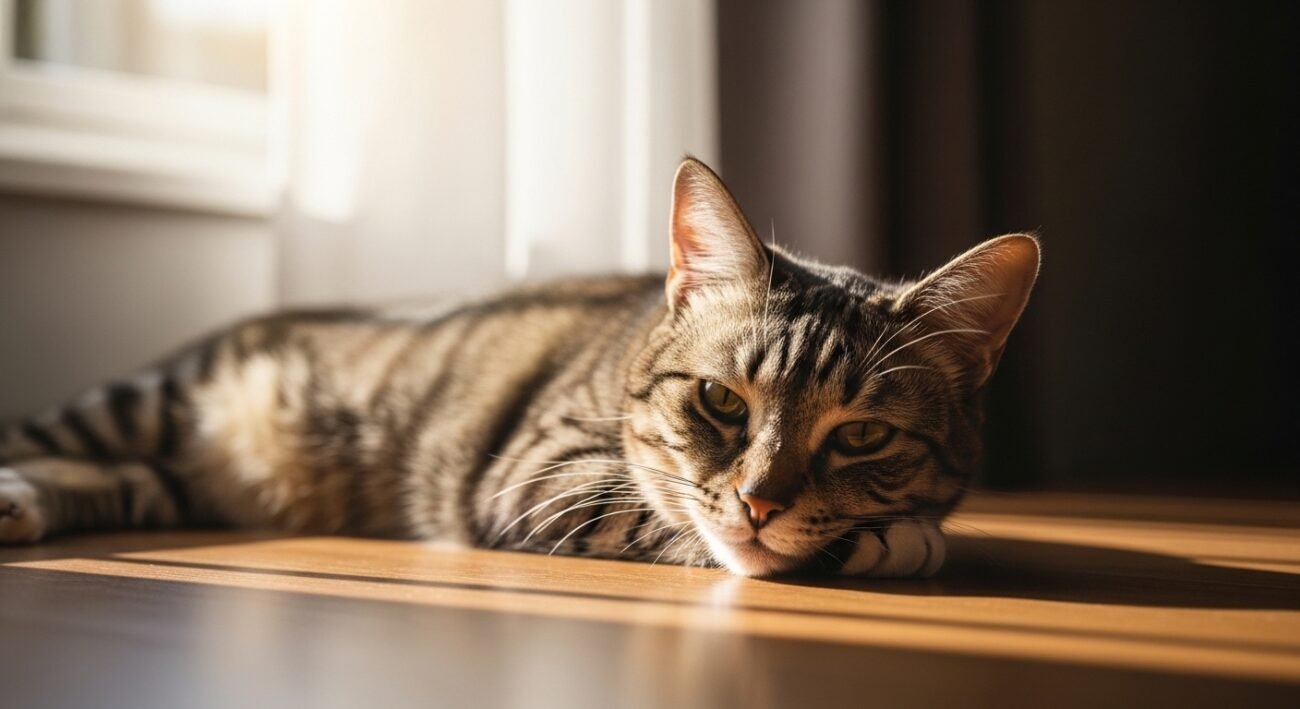
Sharing life with a cat creates a quiet bond built on routines, soft glances, and steady companionship that can last for many years. As they approach the final stage of life, many cats display subtle behavioral and physical changes that can feel like a gentle farewell, offering both signals of decline and meaningful reminders about love, presence, and care.
A Noticeable Shift in Energy
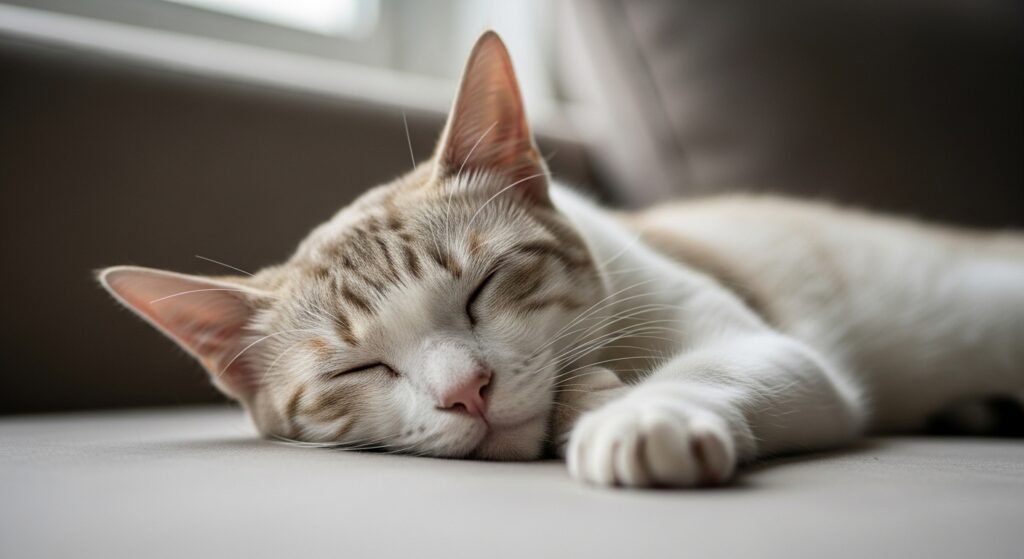
As a cat nears the end of life, it often becomes less active and may sleep for longer stretches throughout the day. This reduced energy is usually linked to aging or underlying illness, and it reflects the body’s gradual slowdown rather than a sudden personality change.
Seeking Solitude in Quiet Corners
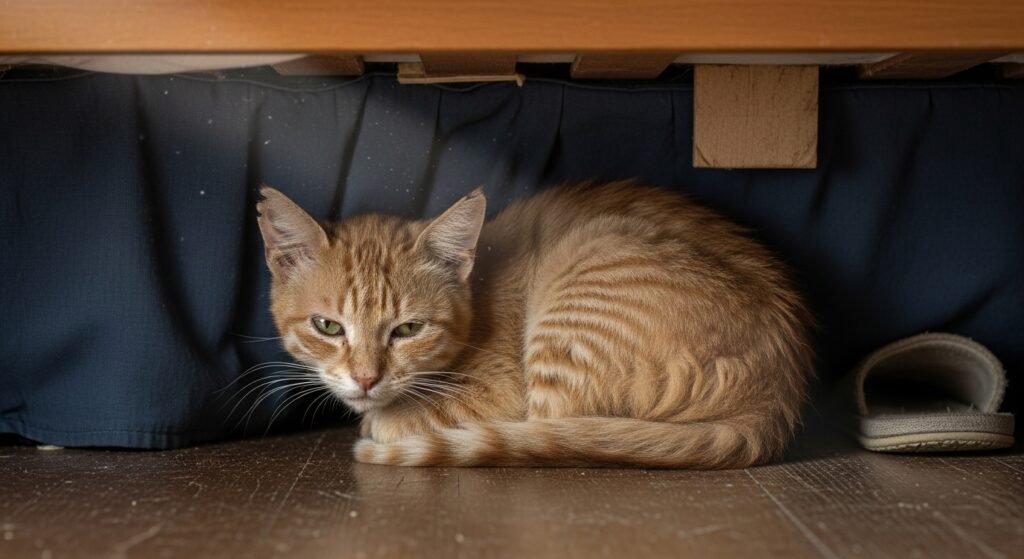
Many cats instinctively look for secluded spaces when they feel weak or unwell. Hiding under beds or retreating to closets can be a natural response rooted in survival instincts, signaling vulnerability and a need for calm surroundings.
Clinging More Closely Than Before
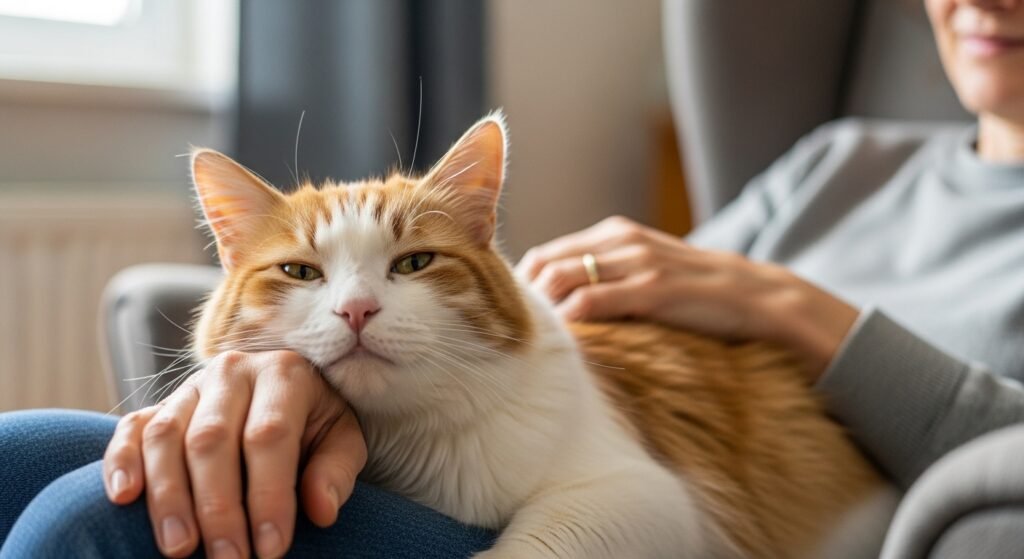
While some cats withdraw, others become unusually affectionate and remain close to their trusted person. This increased attachment may reflect comfort-seeking behavior, as familiar voices and gentle touch provide reassurance during physical decline.
Changes in Appetite and Thirst
A noticeable decrease in eating or drinking is common in cats facing serious health issues or advanced age. The body’s systems begin to slow down, and interest in food may fade as metabolism and organ function change.
Altered Grooming Habits
Cats are known for meticulous grooming, so a decline in coat care can signal that something is not right. Weakness, discomfort, or arthritis may make grooming physically difficult, resulting in a dull or unkempt appearance.
Shifts in Vocalization
Some cats grow quieter, while others may vocalize more frequently in ways that seem unfamiliar. These sounds can be linked to confusion, discomfort, or a desire for reassurance, especially in older cats experiencing cognitive changes.
Changes in Mobility and Balance
Difficulty jumping, walking slowly, or stumbling can indicate pain or neurological decline. As strength decreases, movements become more cautious and deliberate, reflecting the body’s reduced resilience.
Irregular Breathing Patterns
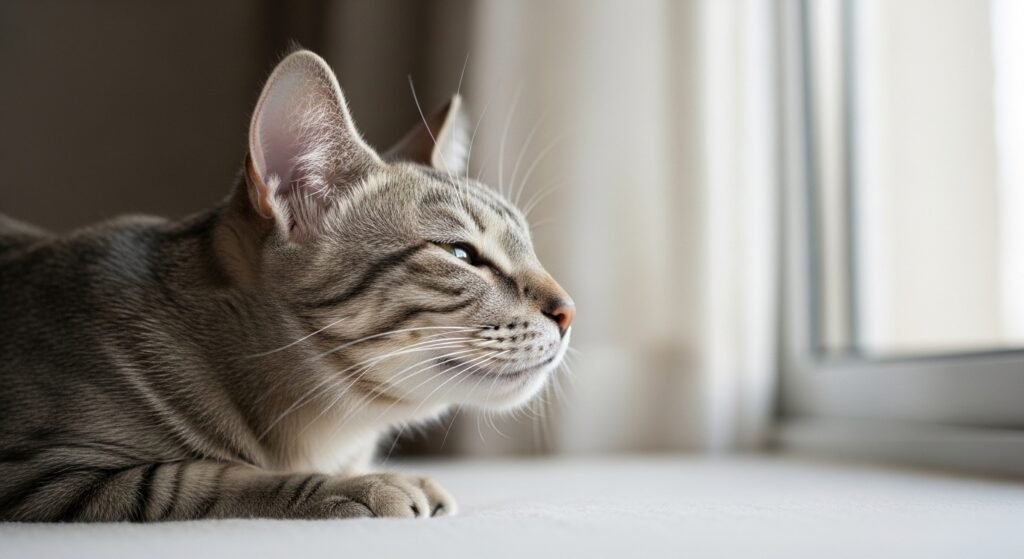
Breathing may become shallow, uneven, or noticeably slower as the body begins to conserve energy. These changes often occur in the final stages of illness and should be evaluated by a veterinarian to ensure comfort.
Loss of Interest in Play or Routine
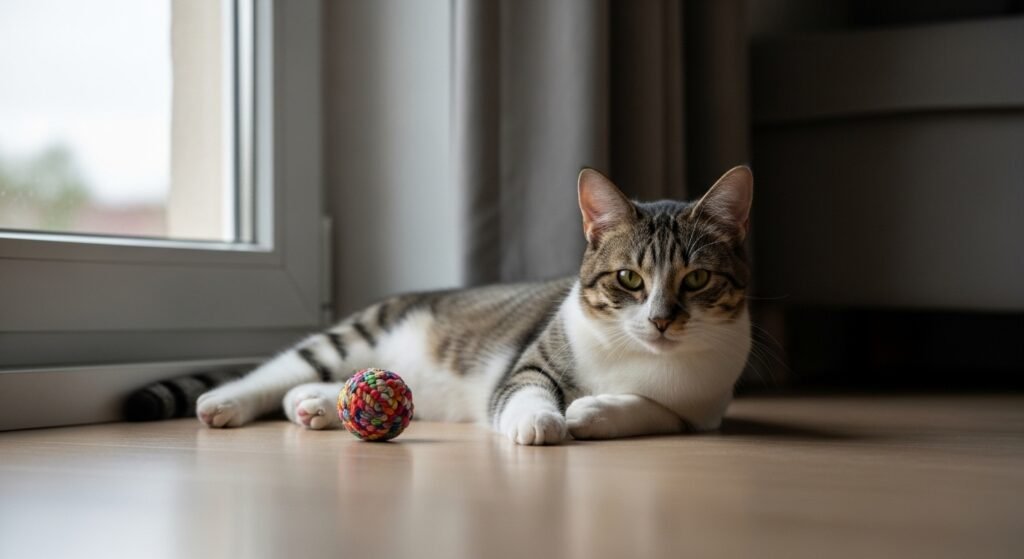
A cat that once eagerly greeted daily activities may gradually disengage from toys, windowsills, or familiar routines. This withdrawal is often less about mood and more about physical limitation and fatigue.
