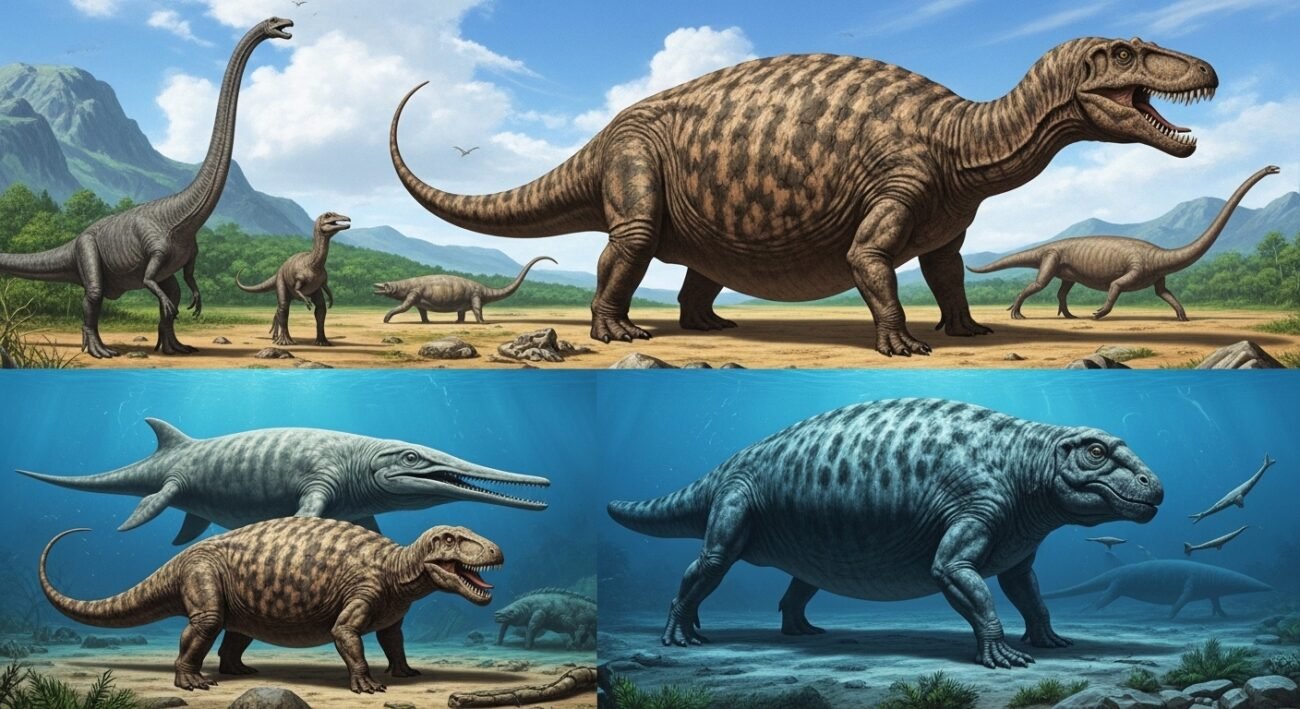
Long before humans walked the Earth, our planet was home to creatures so massive they challenge the imagination and redefine what we consider possible in the natural world. From towering dinosaurs that shook the ground beneath them to enormous marine reptiles and mammals that ruled ancient seas, these giants represent some of the most extraordinary achievements of evolution across hundreds of millions of years.
Argentinosaurus
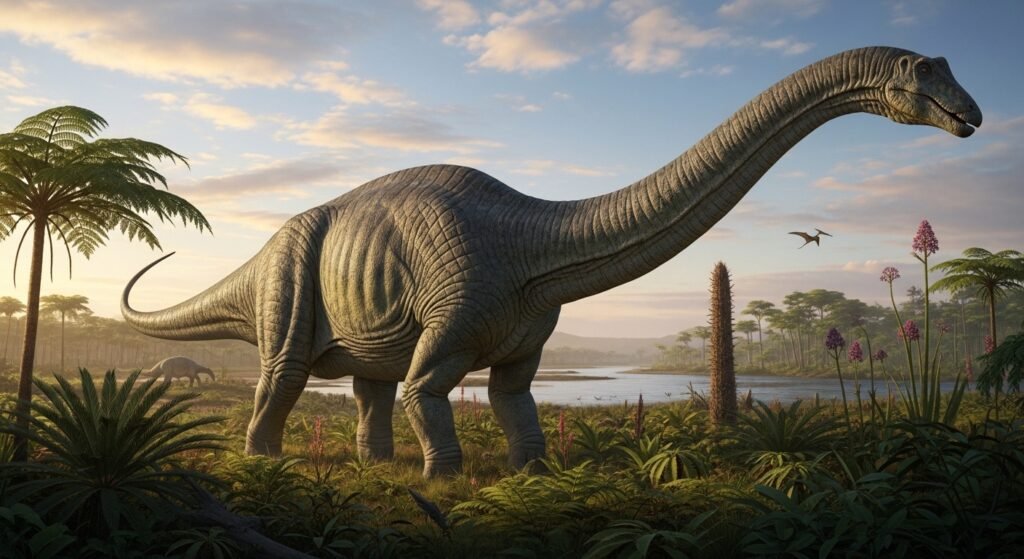
Argentinosaurus is widely regarded as one of the largest land animals ever discovered, stretching well over 90 feet and possibly weighing up to 100 tons based on fossil estimates. This enormous titanosaur roamed what is now South America during the Late Cretaceous period, using its long neck to sweep across vast areas of vegetation.
Patagotitan
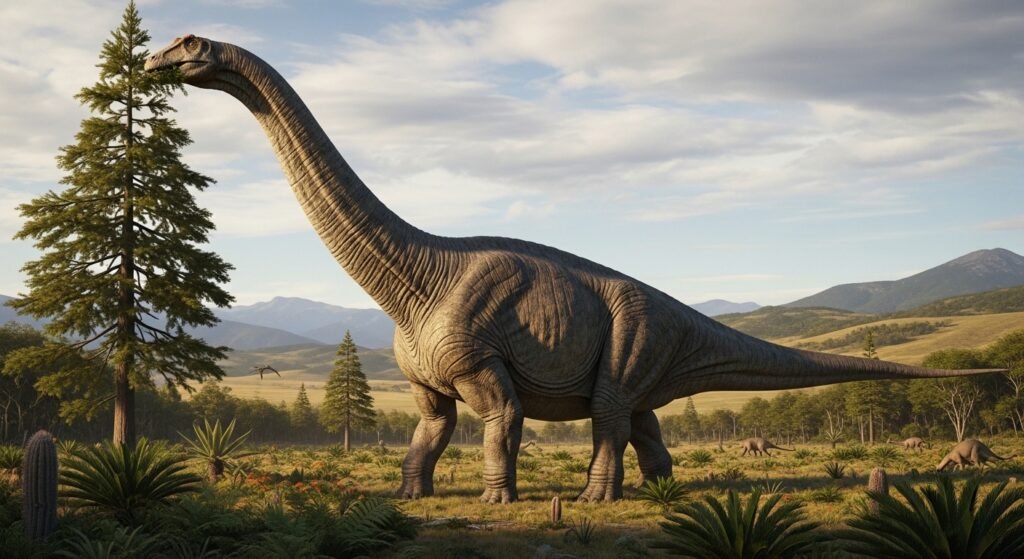
Patagotitan is another colossal titanosaur from Patagonia, estimated to reach lengths of around 120 feet and rivaling the heaviest dinosaurs ever measured. Its discovery helped scientists better understand how sauropods evolved to sustain such extreme body sizes on land.
Dreadnoughtus
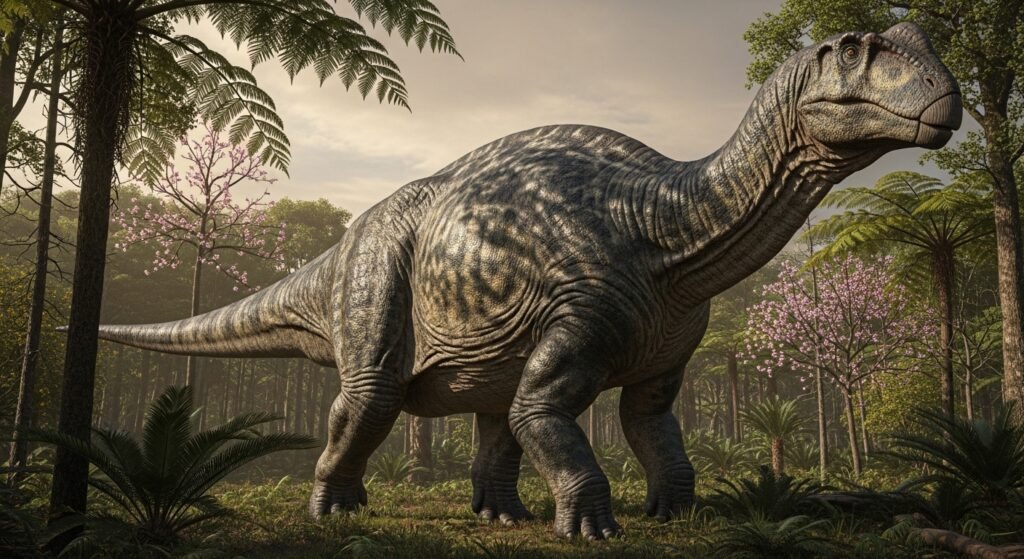
Dreadnoughtus earned its name, meaning “fears nothing,” due to its immense bulk and formidable presence in Late Cretaceous South America. Measuring about 85 feet long and weighing tens of tons, it represents one of the most complete giant dinosaur skeletons ever found.
Amphicoelias fragillimus
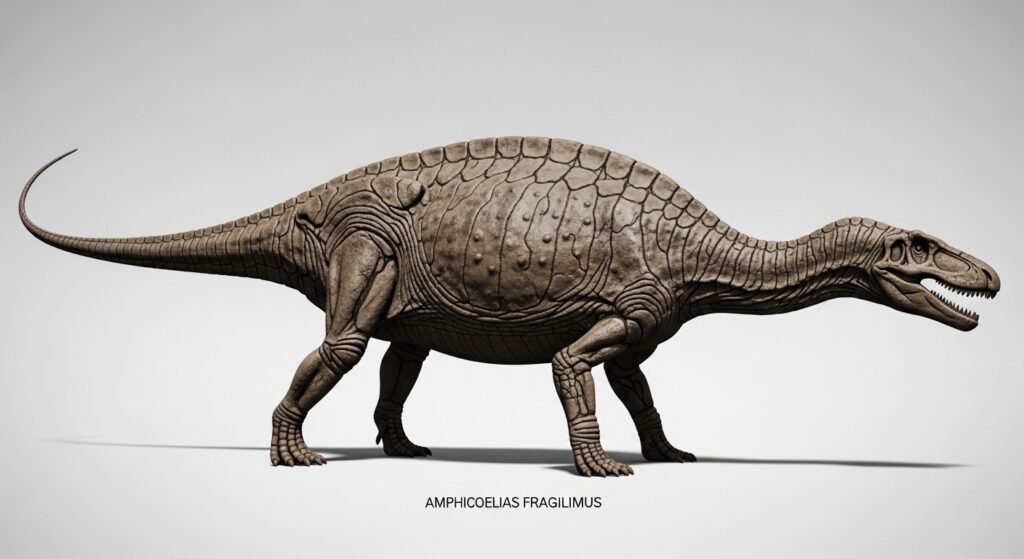
Amphicoelias fragillimus is known from limited fossil evidence, yet some historical estimates suggest it may have surpassed even the largest titanosaurs in length. Although its exact size remains debated, it continues to capture scientific interest as a potential record holder among land animals.
Blue Whale
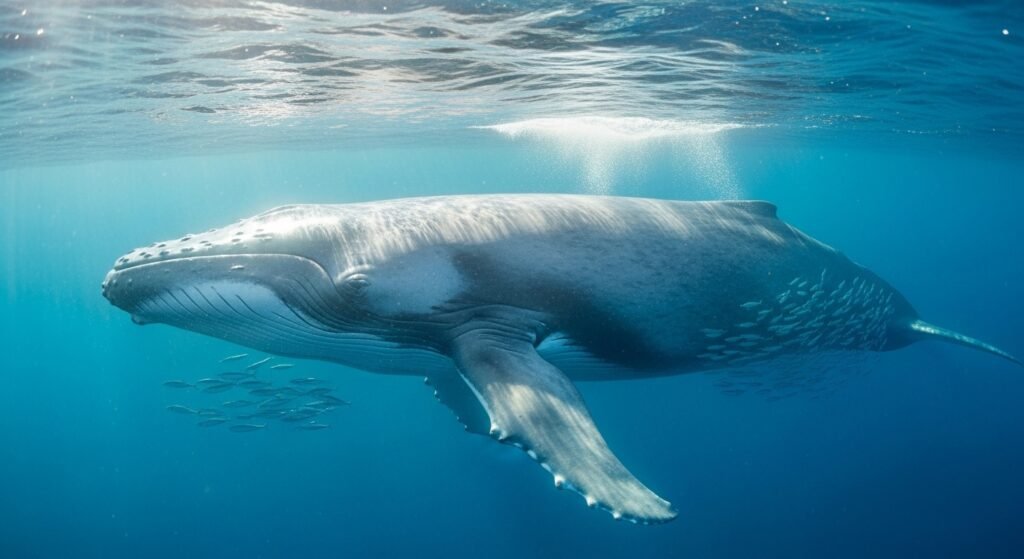
Blue whale is not a dinosaur but deserves recognition as the largest animal known to have ever lived, reaching lengths of up to 100 feet and weights exceeding 150 tons. Although it still exists today, its evolutionary roots stretch back millions of years, making it a modern representative of prehistoric marine gigantism.
Megalodon
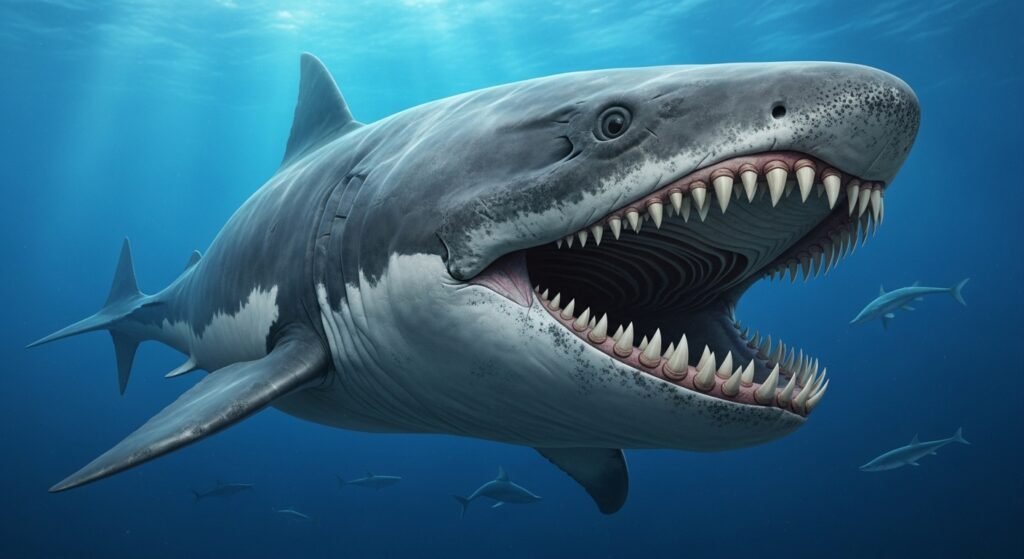
Megalodon dominated the oceans from about 23 to 3.6 million years ago and is estimated to have reached lengths of 50 to 60 feet. Its massive serrated teeth, some larger than a human hand, reveal its role as one of the most powerful marine predators in Earth’s history.
Shonisaurus
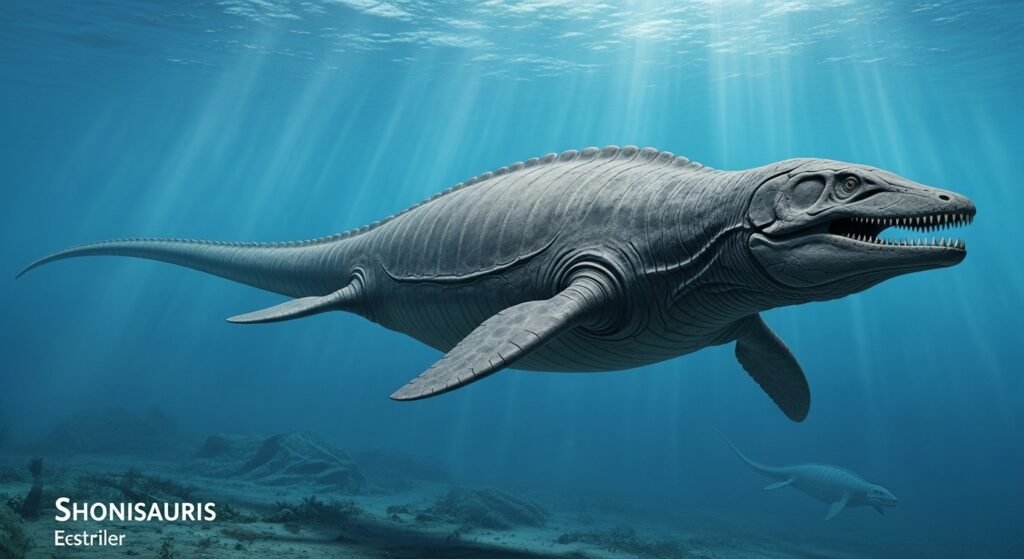
Shonisaurus was a gigantic marine reptile that lived during the Triassic period and could grow to nearly 70 feet long. With a streamlined body adapted for swimming, it shows how reptiles, not just mammals, achieved remarkable sizes in ancient seas.
Spinosaurus
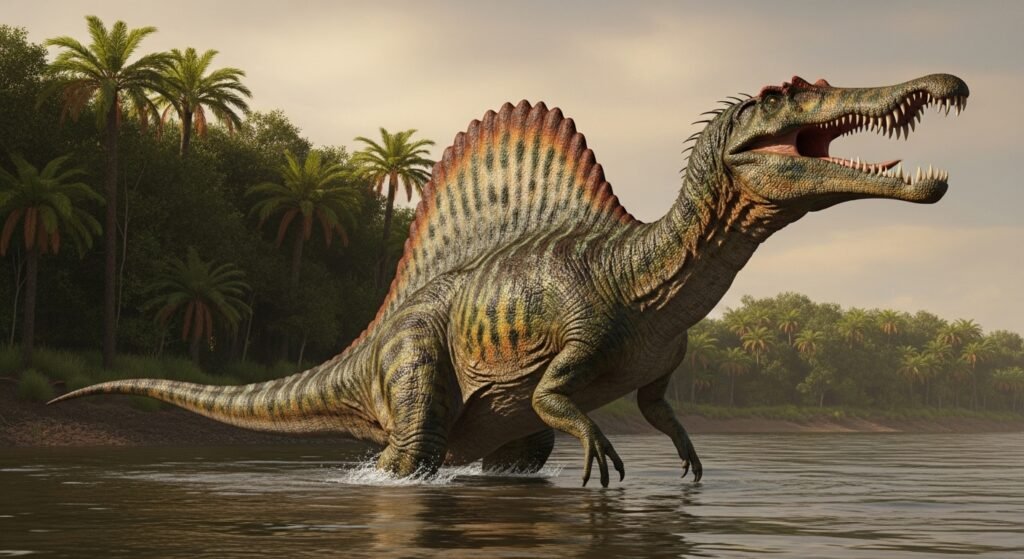
Spinosaurus is considered the longest known carnivorous dinosaur, stretching up to 50 feet and featuring a distinctive sail along its back. Fossil evidence suggests it was semi aquatic, making it one of the most unusual and formidable predators of the Cretaceous.
Tyrannosaurus rex
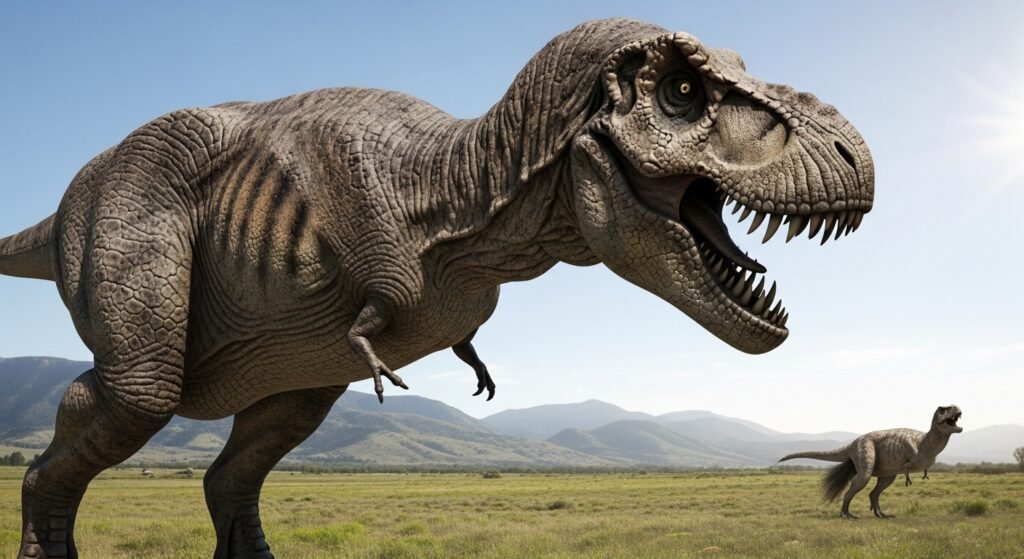
Tyrannosaurus rex reached lengths of about 40 feet and weighed up to 9 tons, making it one of the heaviest land predators ever recorded. Its powerful bite force and massive skull helped secure its place as one of the most iconic prehistoric animals.
Paraceratherium
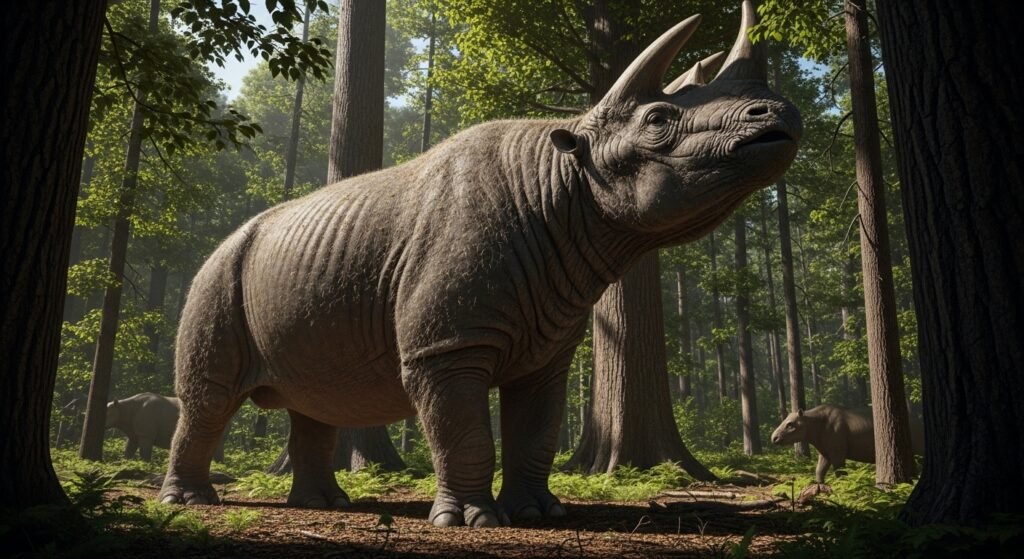
Paraceratherium was the largest known land mammal, living during the Oligocene epoch and weighing as much as 20 tons. Standing over 15 feet tall at the shoulder, it resembled an enormous hornless rhinoceros that browsed on treetops.
Titanoboa
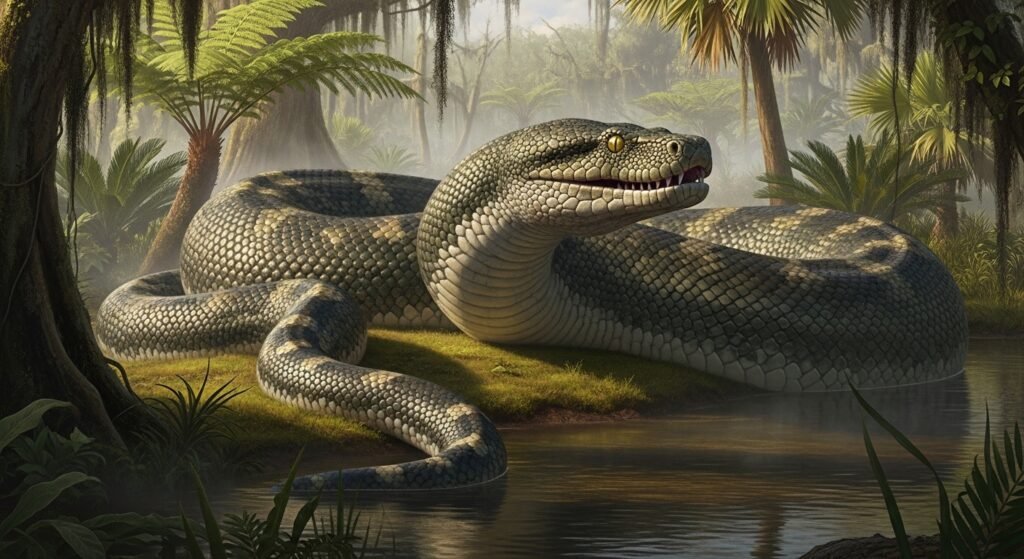
Titanoboa lived about 60 million years ago and grew to an estimated 40 to 45 feet in length, making it the largest snake ever discovered. Fossils found in South America suggest it thrived in warm, swampy environments where its massive size gave it a clear advantage.
