
The social structure of wolf packs appears to be complex, yet it operates according to specific patterns which scientists have identified. The group functions through three main processes which include their ability to work together, communicate with each other, and share their duties. Wolves which scientists study in their natural habitat demonstrate a system which combines equilibrium with synchronized movements. The social rules which govern these groups provide knowledge about how their members adapt to different environmental conditions and seasonal changes.
Jay Prehistoric PetsThe Family Core
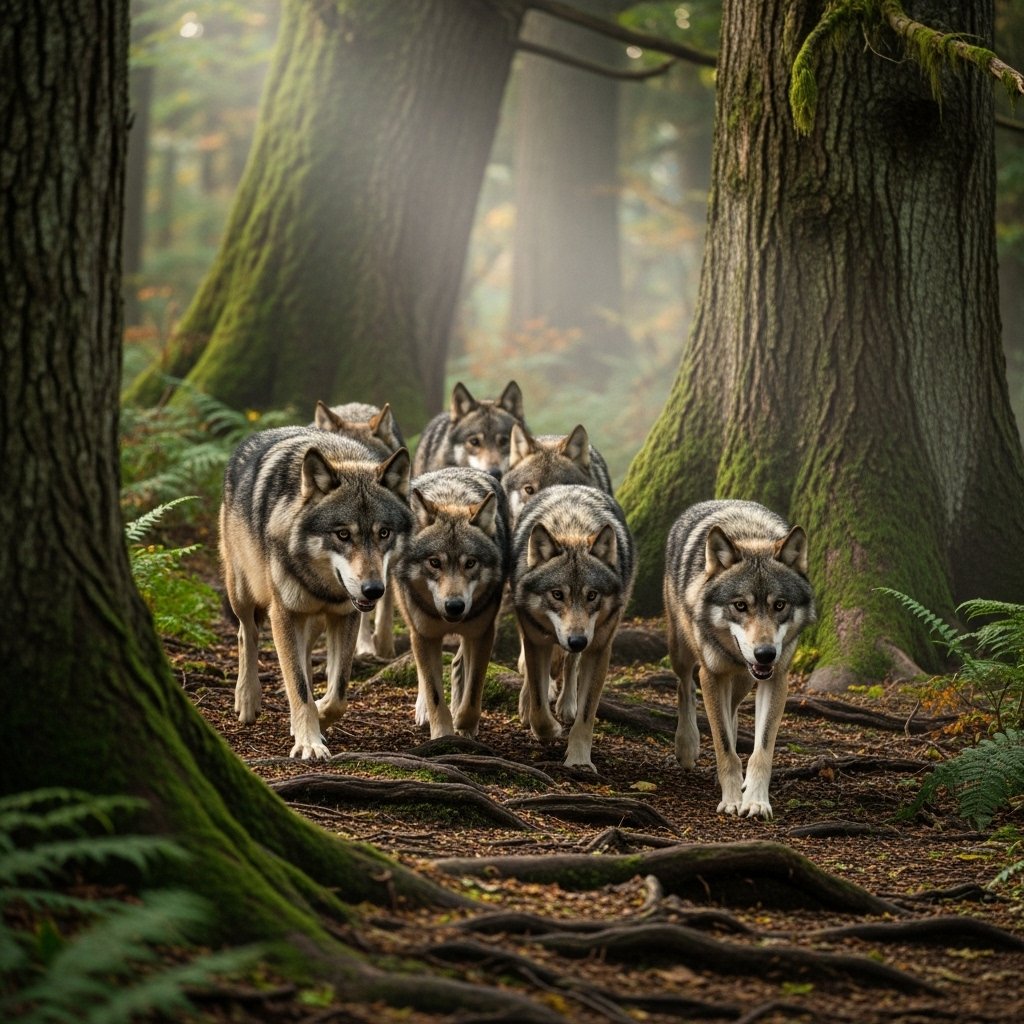
Wolf packs usually establish their main structure around a breeding pair together with their offspring. The pack functions more like a tight-knit family unit which collaborates to achieve both survival and secure permanent stability.
Leadership Through Experience
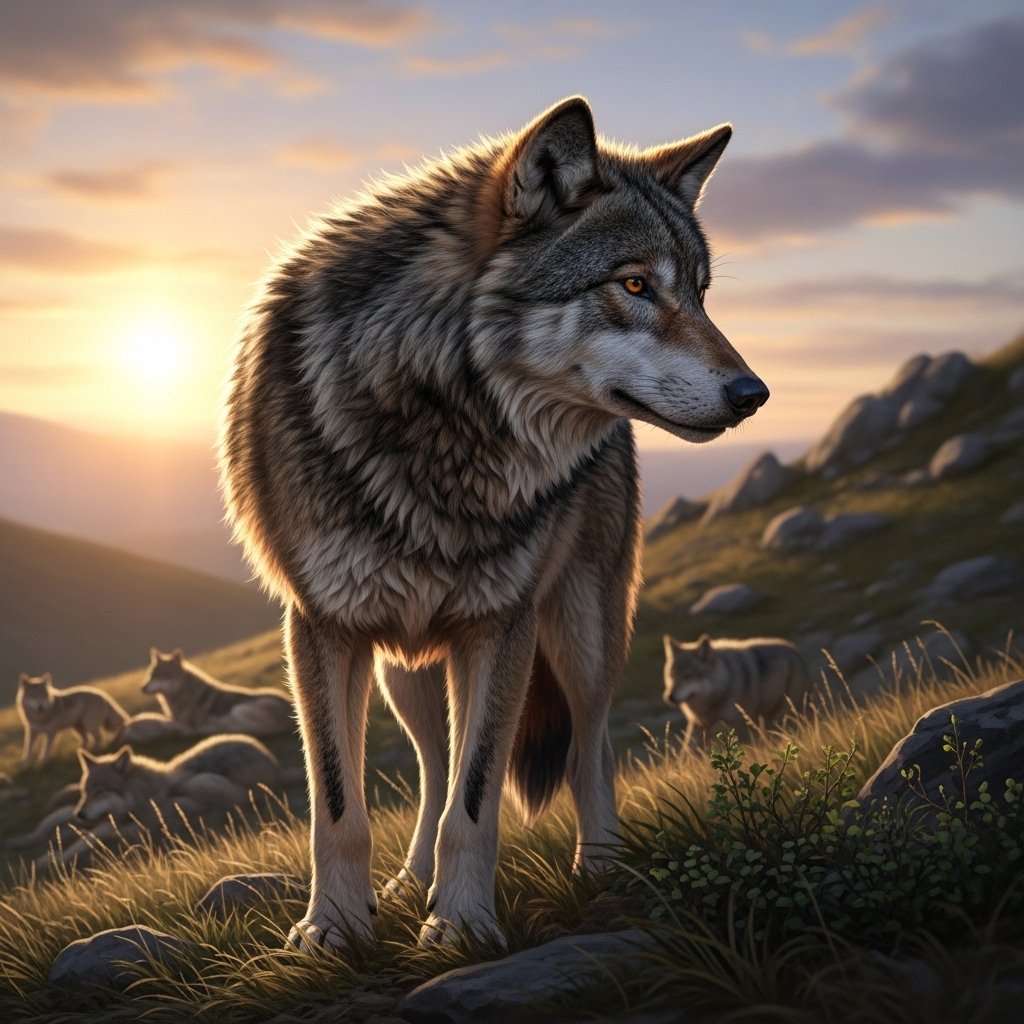
People acquire leadership positions through their development into mature individuals who possess historical understanding of their organizational structure. The lead pair controls all aspects of their pack’s territory movements and hunting activities through their consistent conduct.
Clear Communication Signals
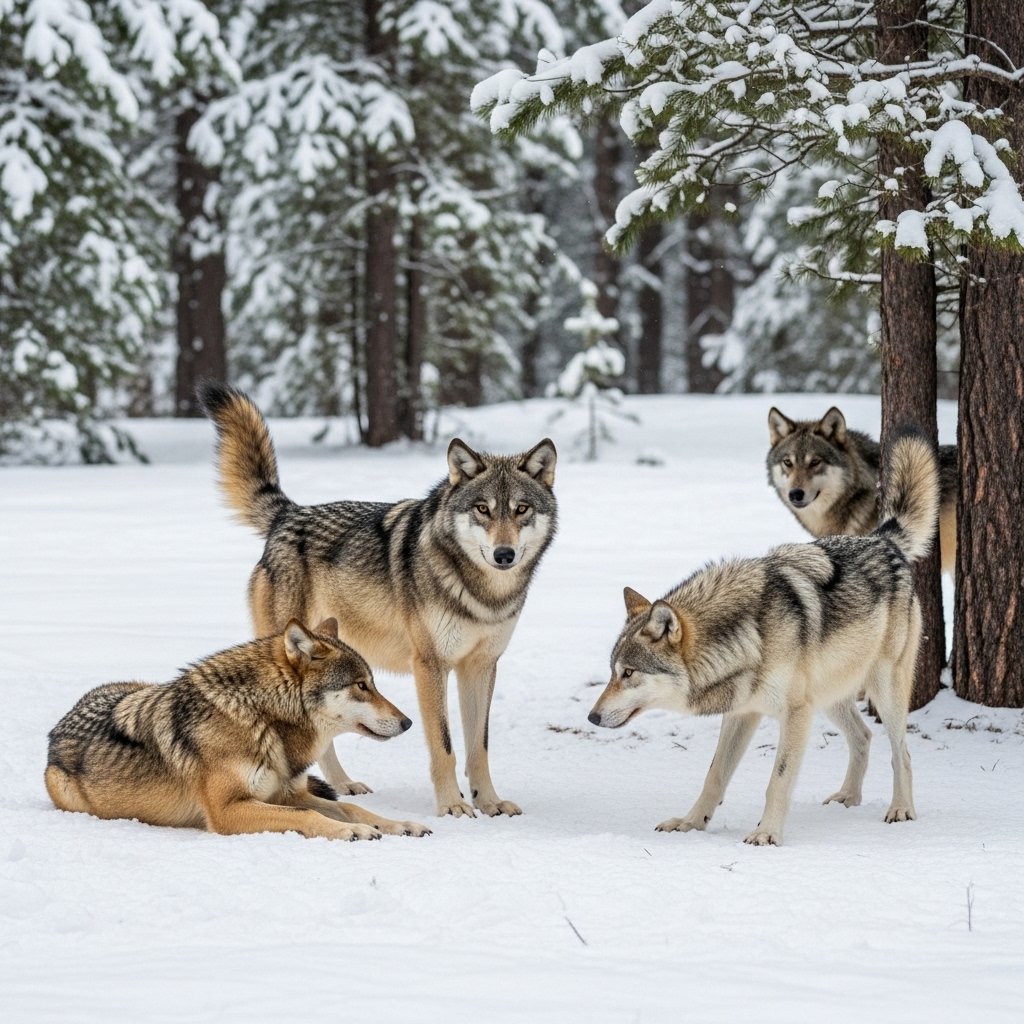
Wolves use body movements together with their facial expressions and body stance and their vocal sounds to communicate. The group depends on these minute signals to sustain order while stopping any disputes from developing into major fights.
Shared Hunting Roles

Hunting needs wolves to coordinate their efforts with one another. One group of wolves will track the prey while another group will move to the side, and a third group will wait to see which way the prey will move. The group achieves better results through teamwork because it strengthens their social connections.
Respect for Hierarchy
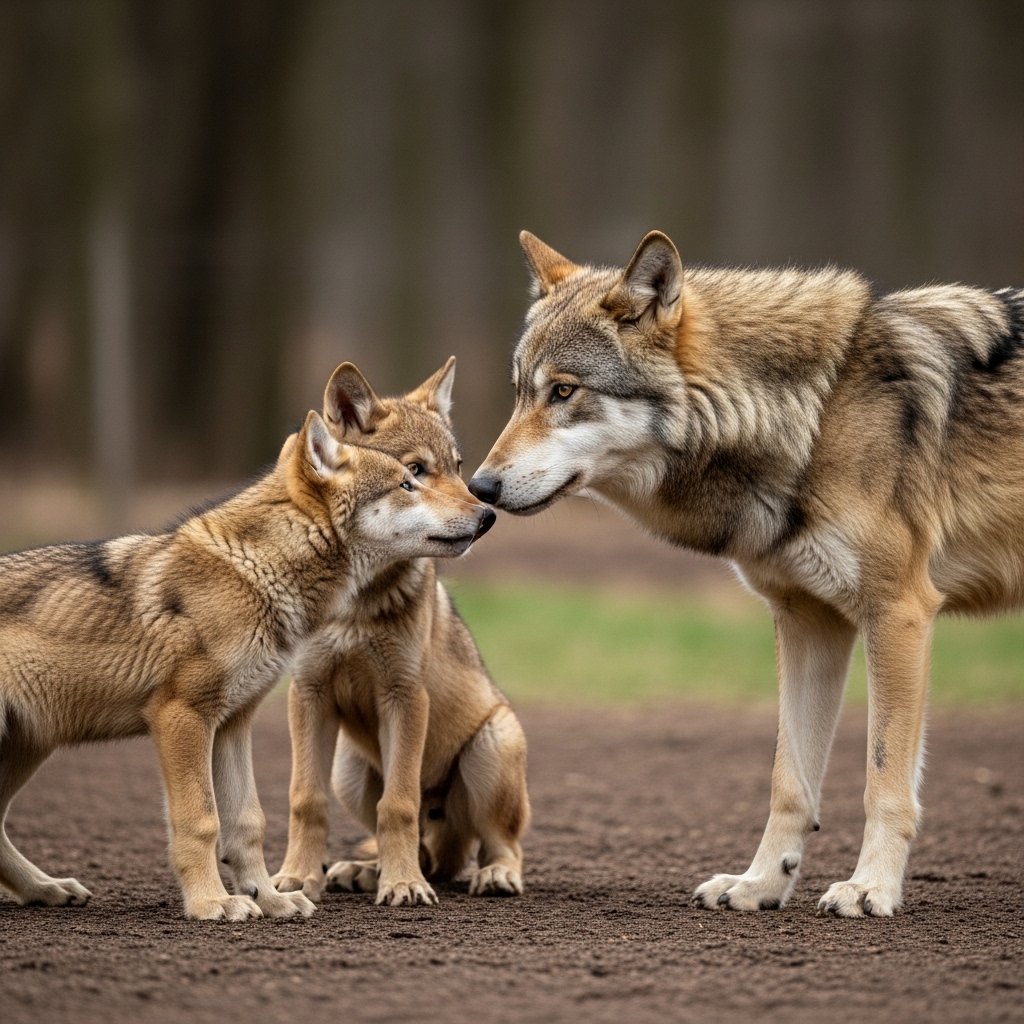
Pack members use their body movements together with their social interactions to demonstrate their hierarchical status. The younger wolves develop an understanding of their limits through natural processes which promote peaceful relationships while decreasing conflict.
Care for Pups
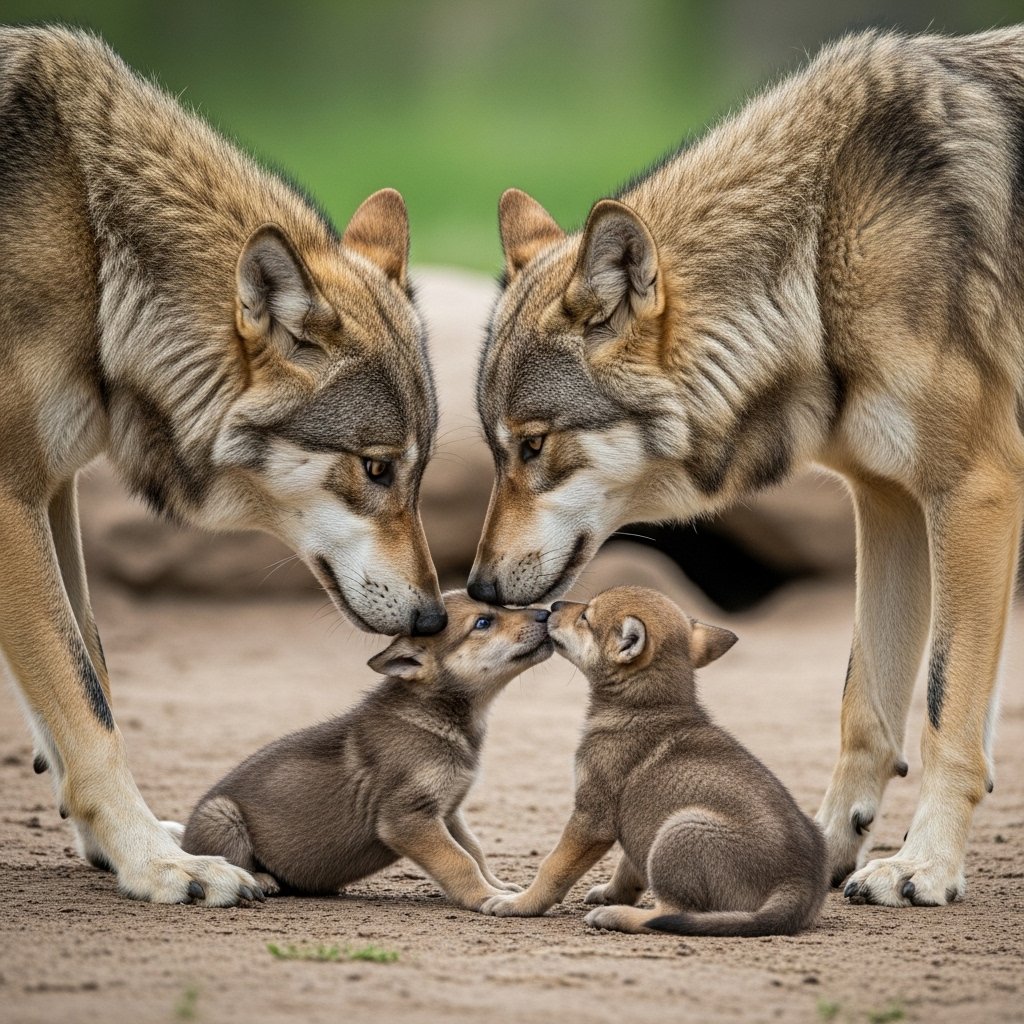
All pack members participate in the work of raising the young wolves. The older siblings and other adult pack members work together to safeguard the young wolves through feeding and teaching them, which helps to strengthen pack unity.
Territory Awareness
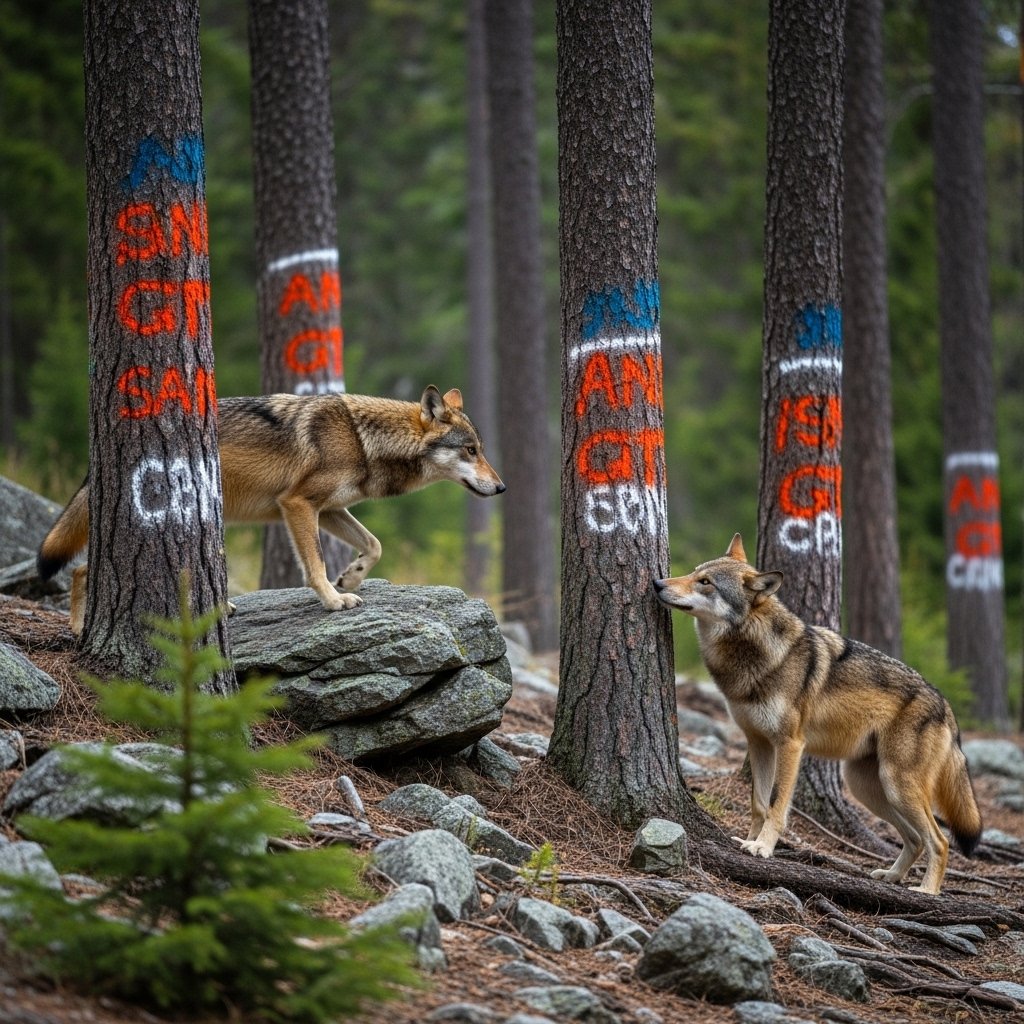
Wolves establish and protect their territorial boundaries through regular marking and patrolling activities. The practice enables wolves to determine their territorial limits while establishing secure areas which they can occupy without needing to engage in fights.
Conflict Resolution Without Chaos

Wolves use signals to resolve their disputes instead of engaging in extended combat. Communication functions as the essential method through which lost equilibrium gets restored.
Loyalty to the Pack
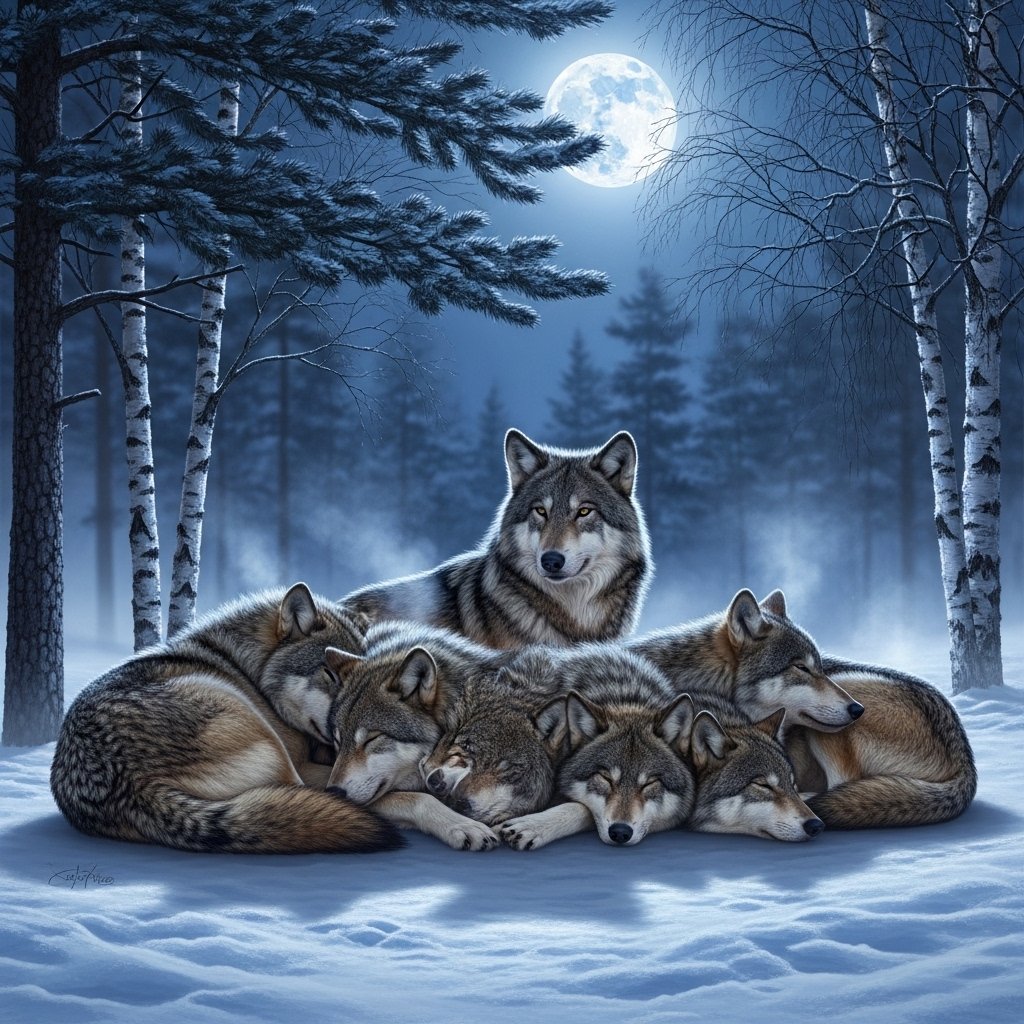
Pack life depends on members working together to achieve their common goal of survival. The power of connection between people creates a security system that protects them throughout their different seasonal and challenging experiences.
