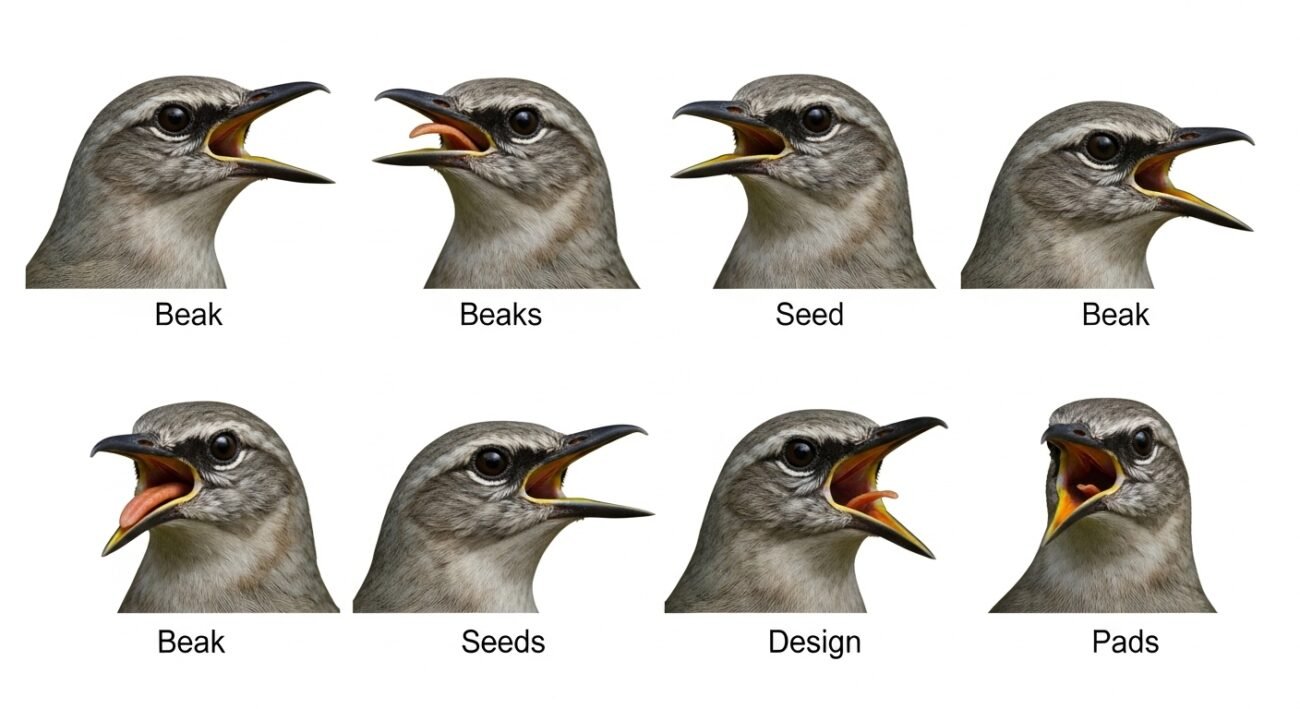
A bird’s beak functions as more than a mouth because it serves as a specialized instrument which develops through its dietary needs and its environmental conditions and its requirements for survival. Beak shapes have developed through millions of years because birds needed specific food sources which required them to create beaks that could open seeds and catch fish who swam through the air. A bird’s beak provides information about its dietary preferences. The nine beak types shown here each serve specific functions which their designs permit.
Cone-Shaped Beaks
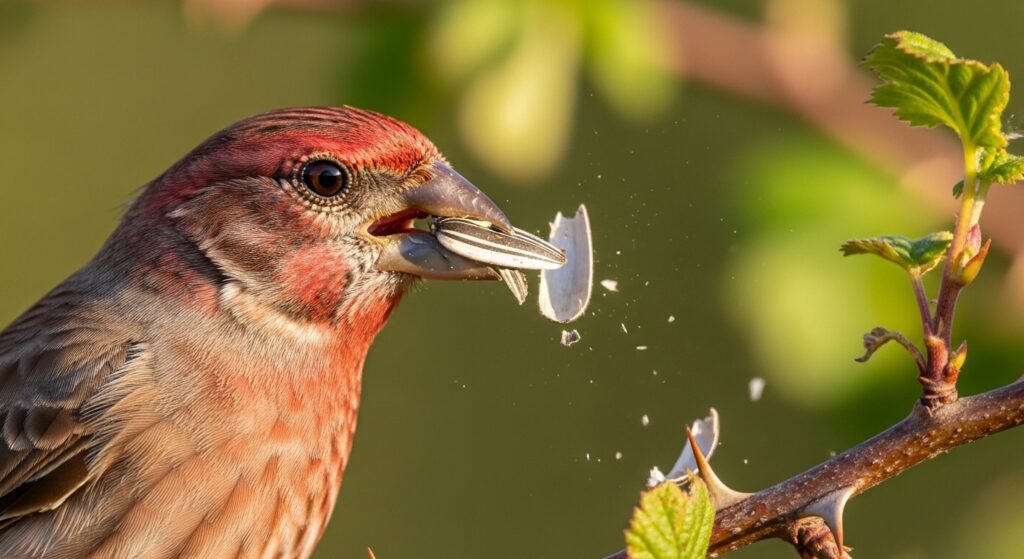
Birds with short and thick and triangular beaks use them to break down seeds. The House Finch uses its strong jaw muscles to open hard shells so it can eat the nutritious kernel which lies inside.
Hooked Beaks
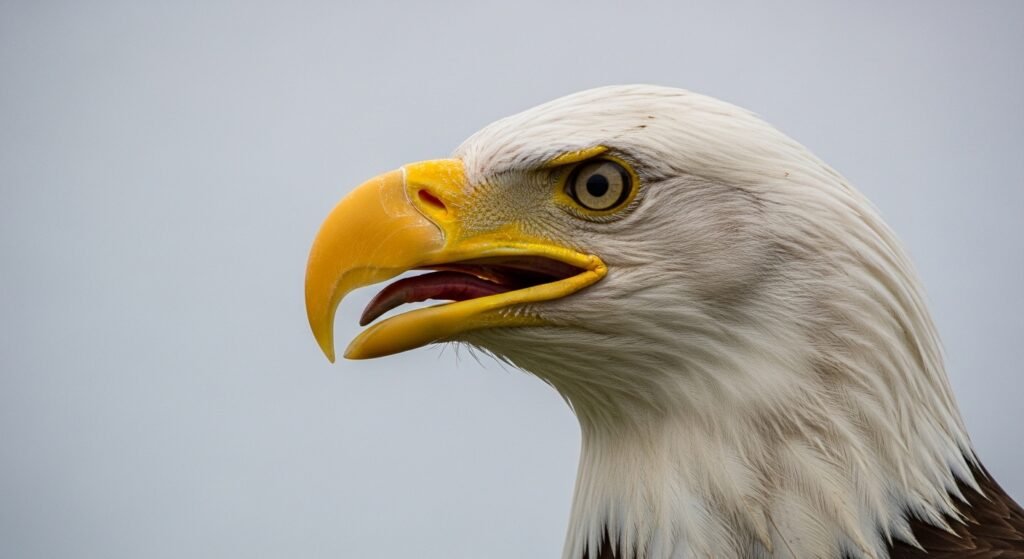
Birds of prey use their sharp and curved beaks to grip their prey before they tear it apart. Bald eagles use their powerful hooked beaks to efficiently tear fish and small mammals apart.
Long, Spear-Like Beaks
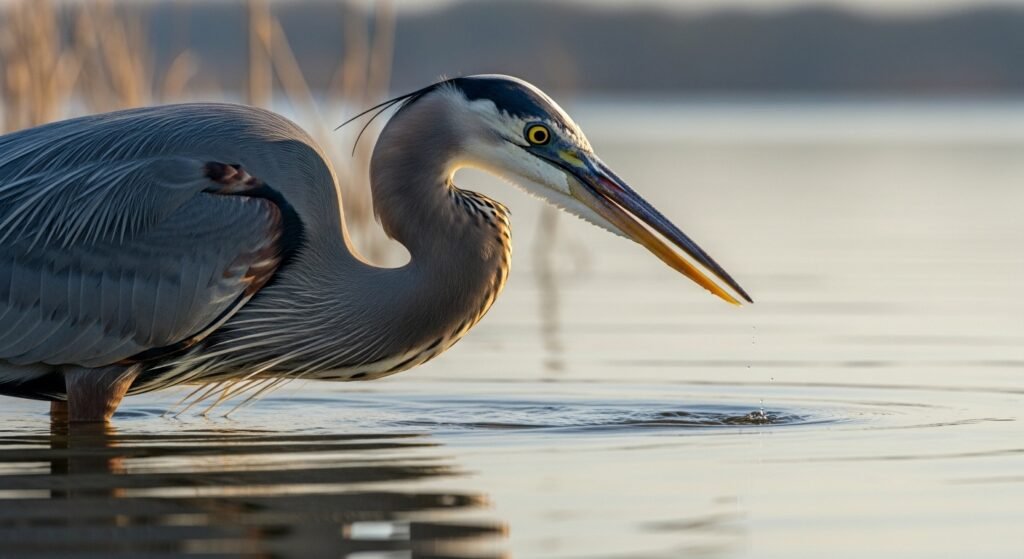
Birds use their straight and pointed beaks to stab or catch slippery creatures which they hunt. The Great blue heron uses this design to strike fish quickly in shallow water.
Chisel-Like Beaks
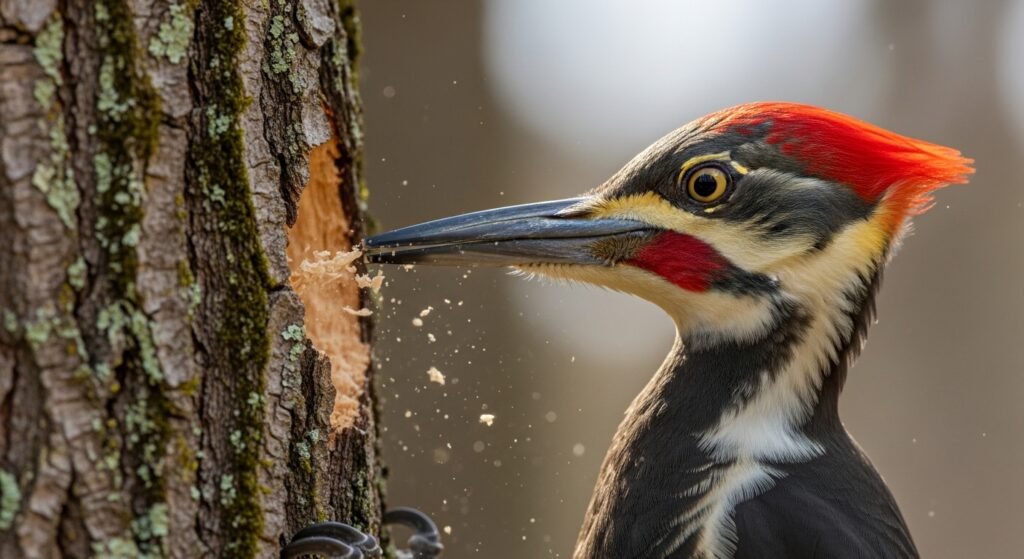
Beaks which have hard and straight tips work as chisels. The Pileated woodpecker drills into tree bark to reach insects hiding beneath the surface.
Long, Tubular Beaks
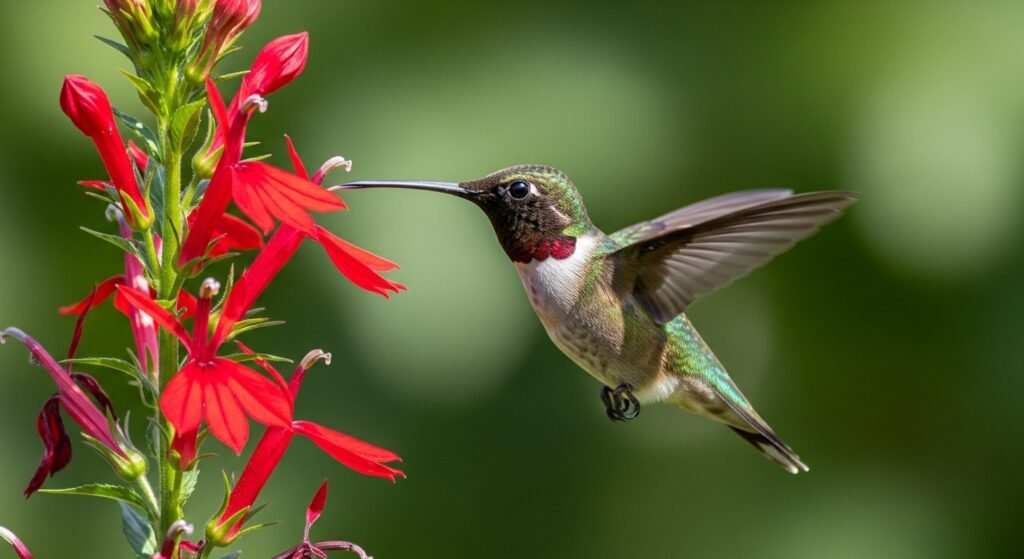
Birds use their slender and elongated beaks to drink nectar which exists deep within flowers. The Ruby-throated hummingbird uses its beak together with its specialized tongue to drink sweet liquid in an efficient way.
Crossed Beaks
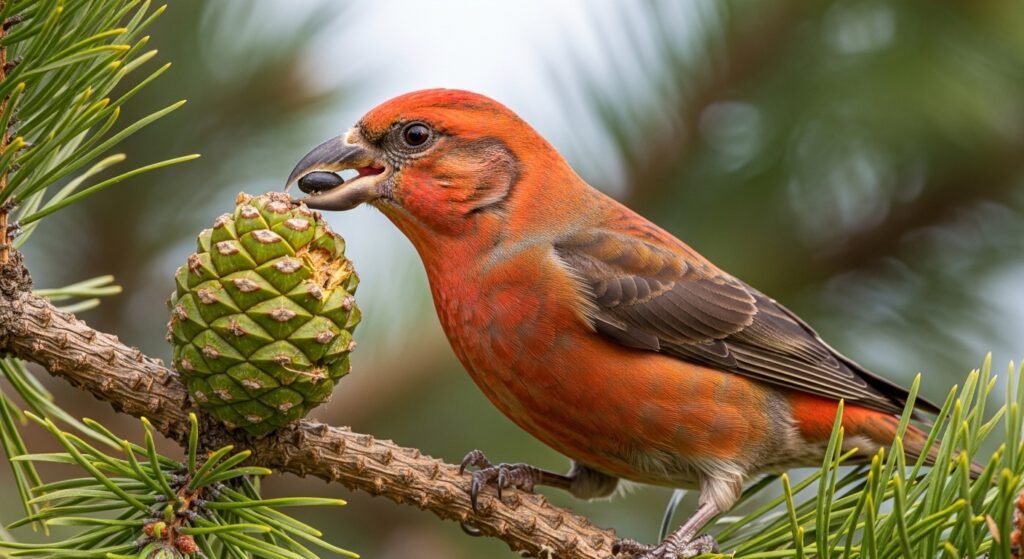
Birds use their unique crossed tips to open pine cones. The Red crossbill uses this specialized beak to extract seeds from tightly closed cones.
Short, Wide Beaks
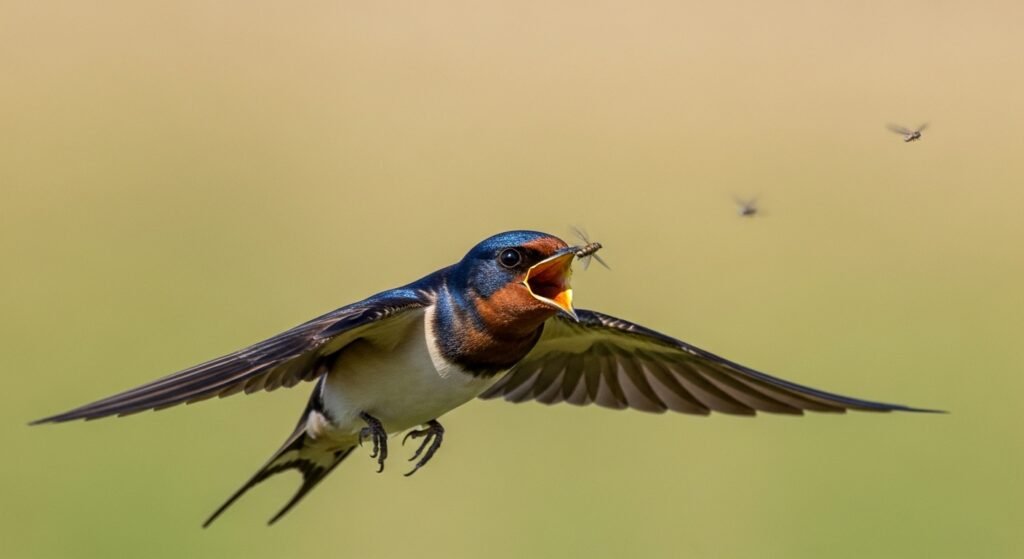
Birds use their short beaks and wide mouths to catch insects which fly between them. The Barn swallow sweeps through the air with precision to capture flying insects.
Spoon-Shaped Beaks

Birds use their flattened spoon-like bills to sweep through shallow water by moving their heads from side to side. The Roseate spoonbill detects small fish and crustaceans through touch while wading.
