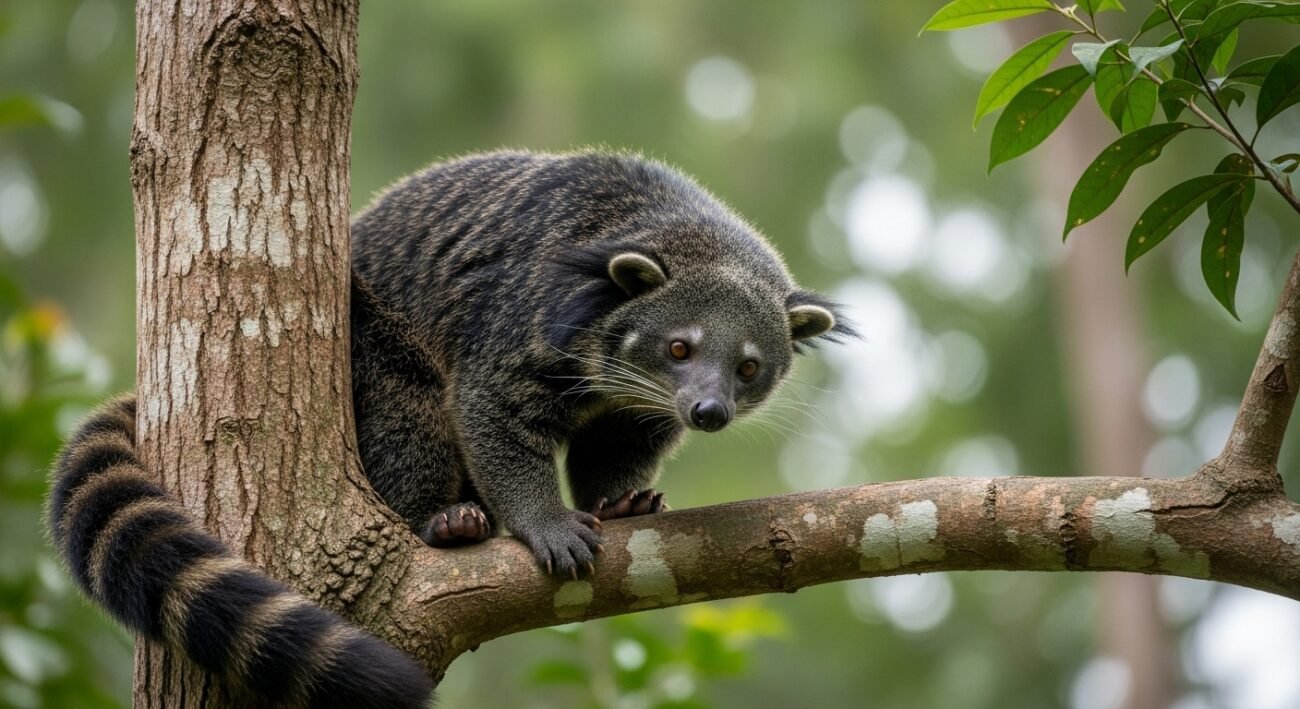
The forest regions of South and Southeast Asia serve as home to a reclusive mammal which spends its life among trees and which remains unknown to the public. The binturong which people sometimes call the “bearcat” serves an essential function for ecological systems. The nocturnal animal uses its slow speed and strong tail to move through its habitat while consuming fruit to maintain forest ecosystems which most people fail to recognize. The following ten points demonstrate why it needs to be honored.
Master Seed Disperser

Binturongs consume large amounts of fruit, including figs that many other animals rely on. After they digest their food the animals spread seeds throughout vast distances. The natural planting mechanism allows forests to regenerate while their biological diversity increases.
Vital for Fig Tree Survival
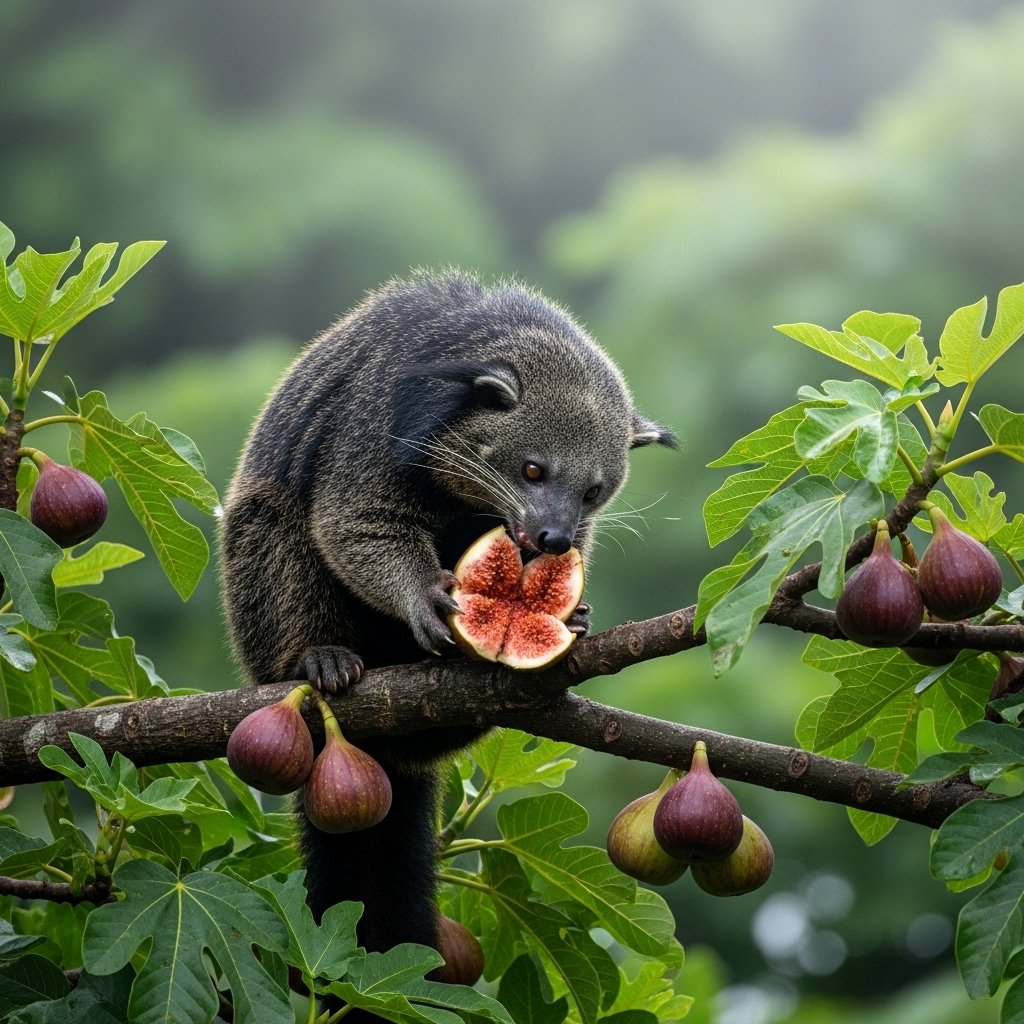
Figs serve as essential species which support ecosystem stability in various Asian forest ecosystems. Binturongs are among the few animals capable of swallowing large fig seeds intact, helping ensure successful reproduction of these important trees.
Arboreal Adaptation Expert
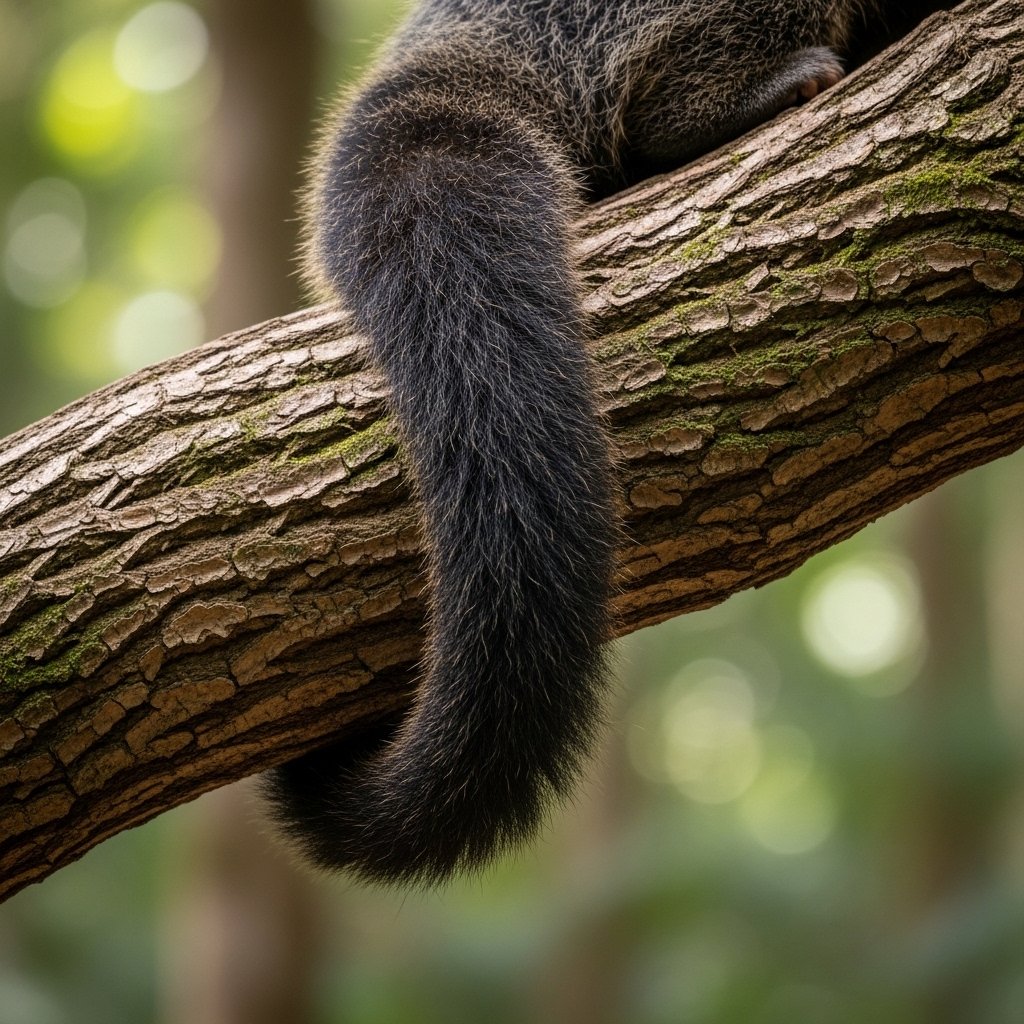
The binturong uses its prehensile tail which exists as one of the rare carnivore features to securely hold on to tree branches. The animal uses this skill to navigate the tree tops which allows it to distribute seeds at high altitudes above the ground.
Nocturnal Forest Gardener

Binturongs operate their nocturnal activities through which they move seeds to different parts of their territory while all animals which operate during daytime remain inactive. The staggered activity pattern of this species expands areas which forests can recover.
Unique Natural Scent Marker
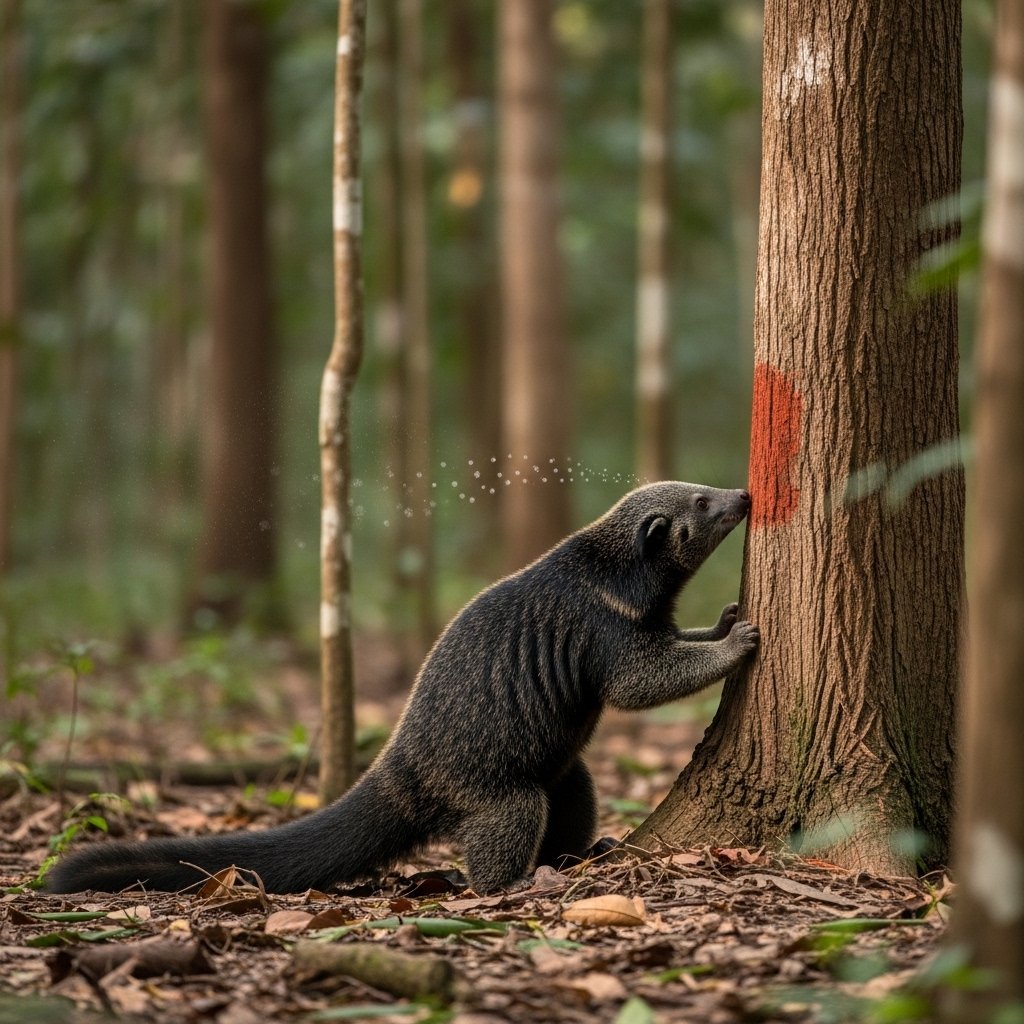
Binturongs produce a scent which people describe as resembling buttered popcorn. The scent originates from a chemical compound which exists in their scent glands. The practice of marking territory enables animals to decrease direct conflict while establishing spatial boundaries throughout their forest territory.
Indicator of Forest Health
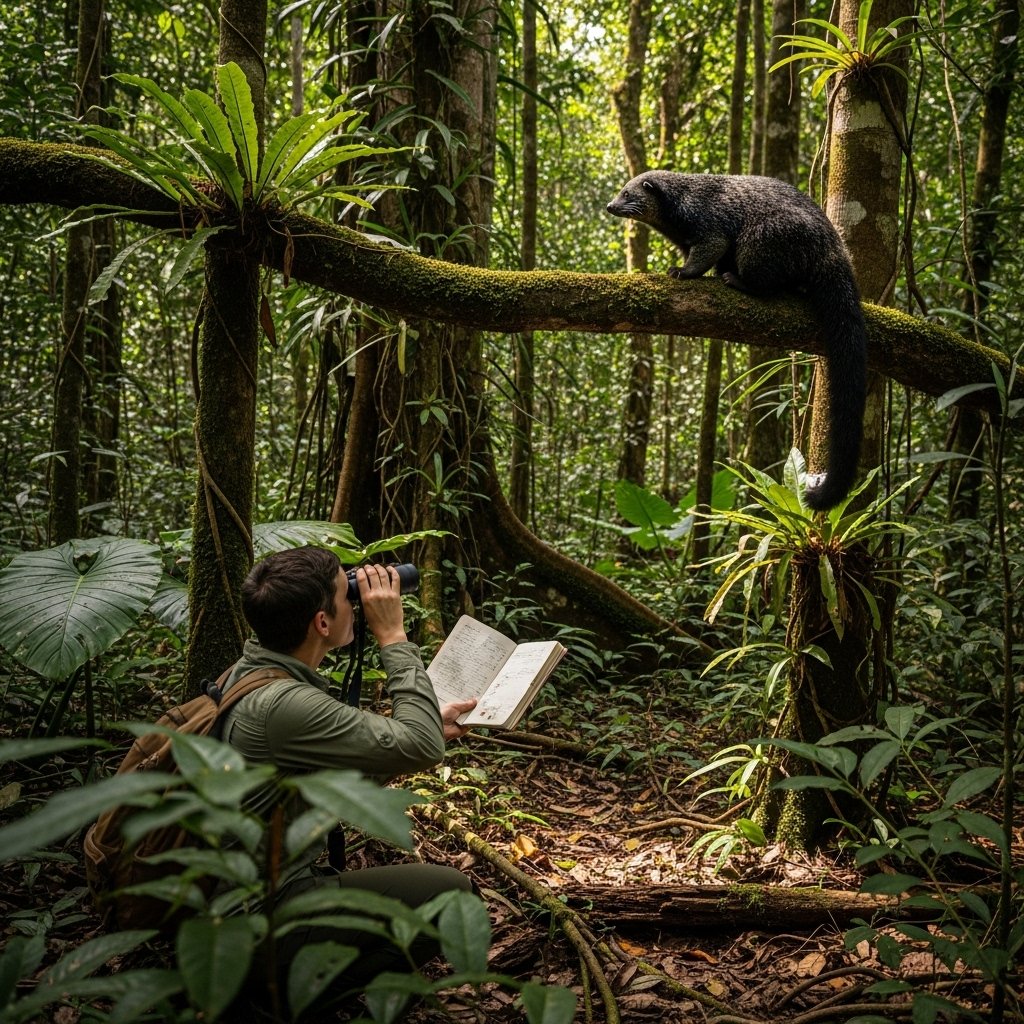
The existence of binturongs indicates that environmental conditions remain undisturbed because these animals need to inhabit dense mature forest areas. The population tracking of these animals enables conservationists to determine the state of ecosystem health.
Slow but Strategic Movement
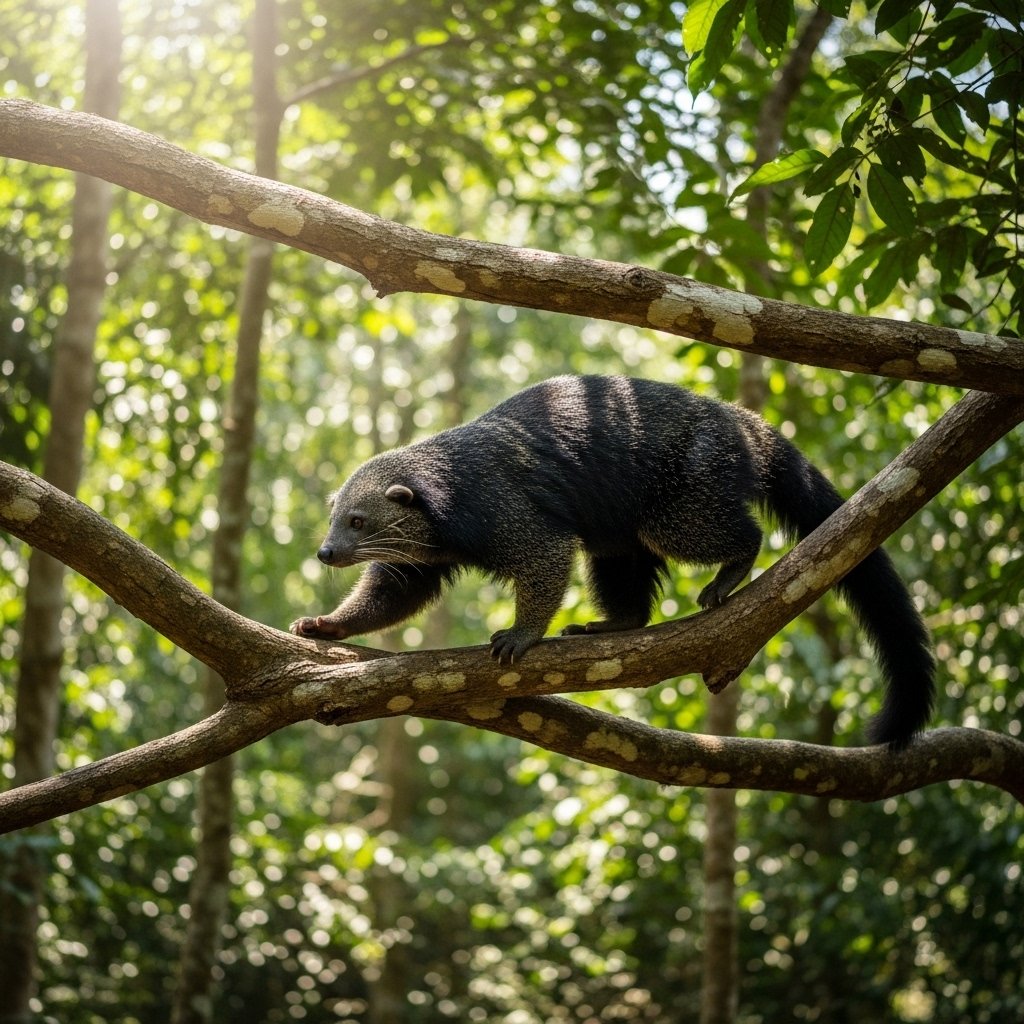
Binturongs move through the canopy space with intentional slow movements. The tree branches remain unharmed because this movement method protects delicate pathways which exist in the upper parts of trees.
Conservation Ambassador
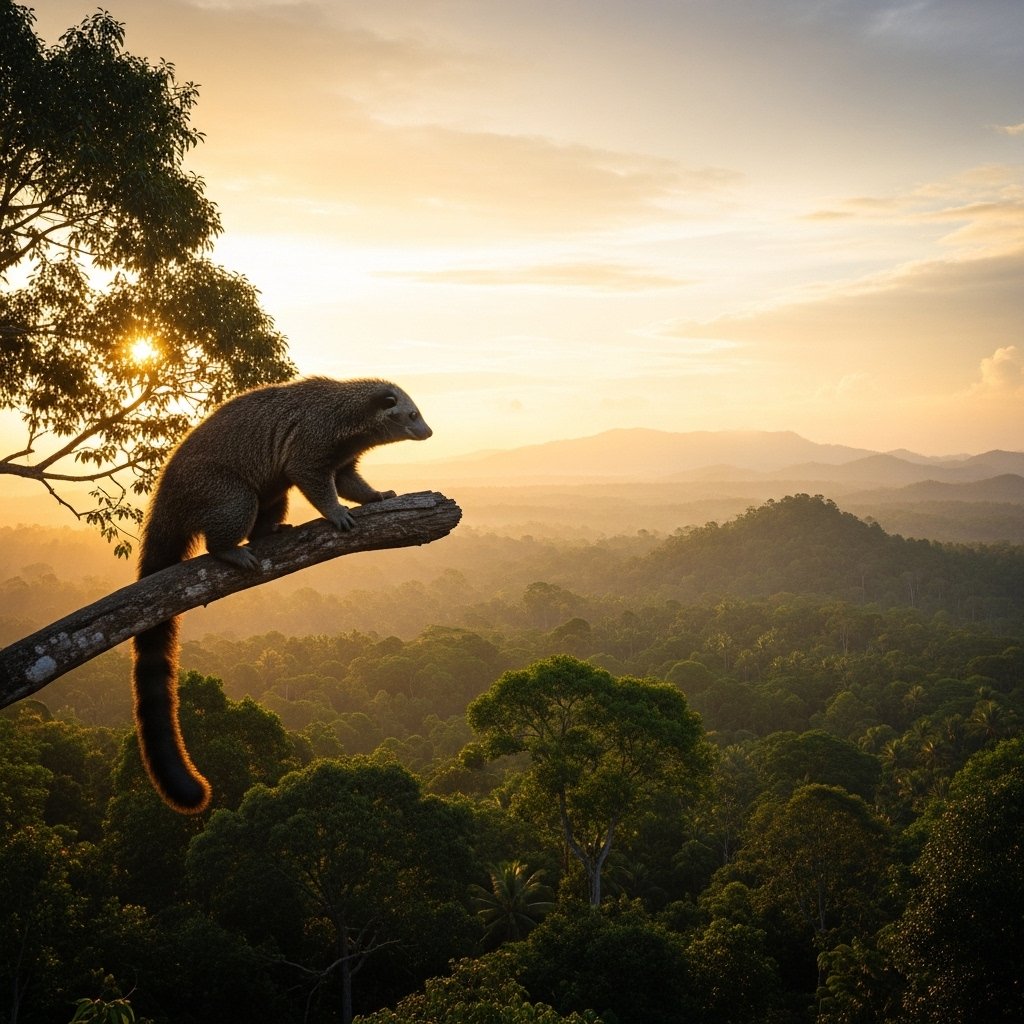
Binturongs have become an environmental symbol which represents rainforest protection efforts as public awareness about them continues to increase. The preservation of its natural habitat protects numerous other organisms which inhabit the same environmental area.
