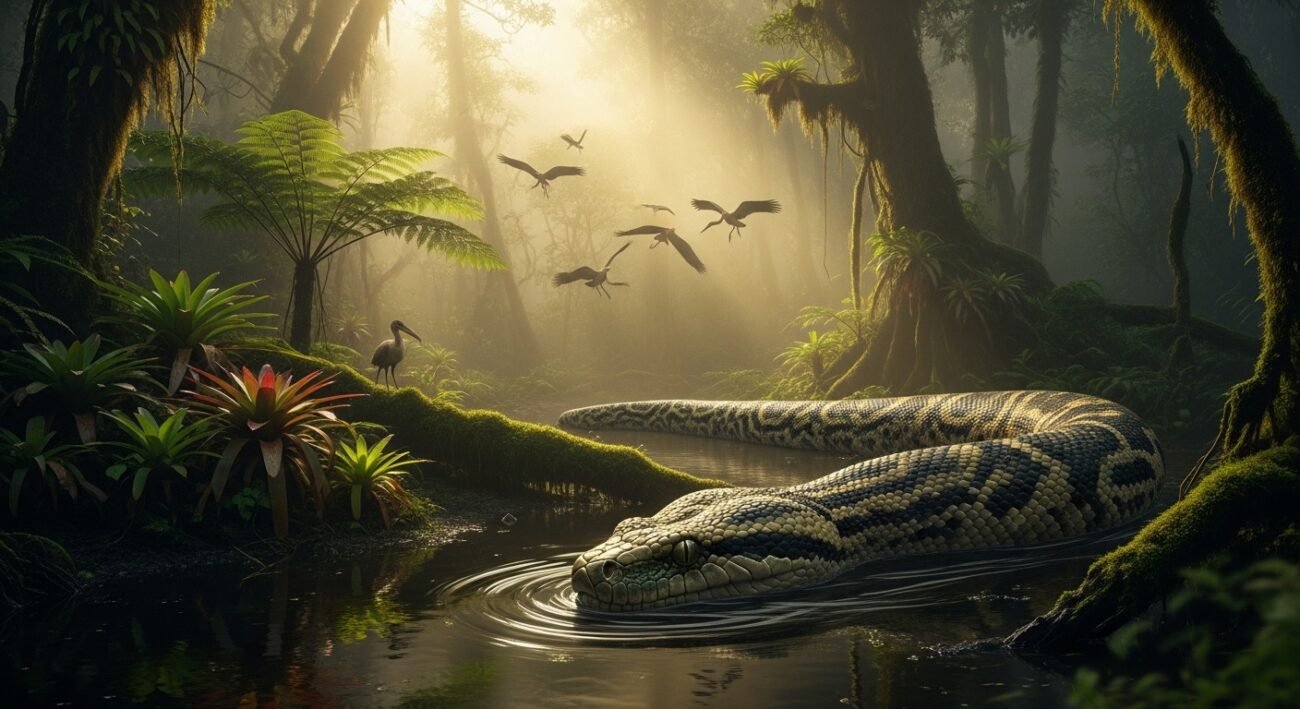
The prehistoric snake Titanoboa which existed 60 million years ago is believed to reach a length of more than 40 feet. As a powerful constrictor inhabiting warm, swampy environments, it likely preyed on large reptiles and fish. An encounter with the creature from its time period would probably lead to victory for a few species which share its traits with ancient and modern species.
Sarcosuchus
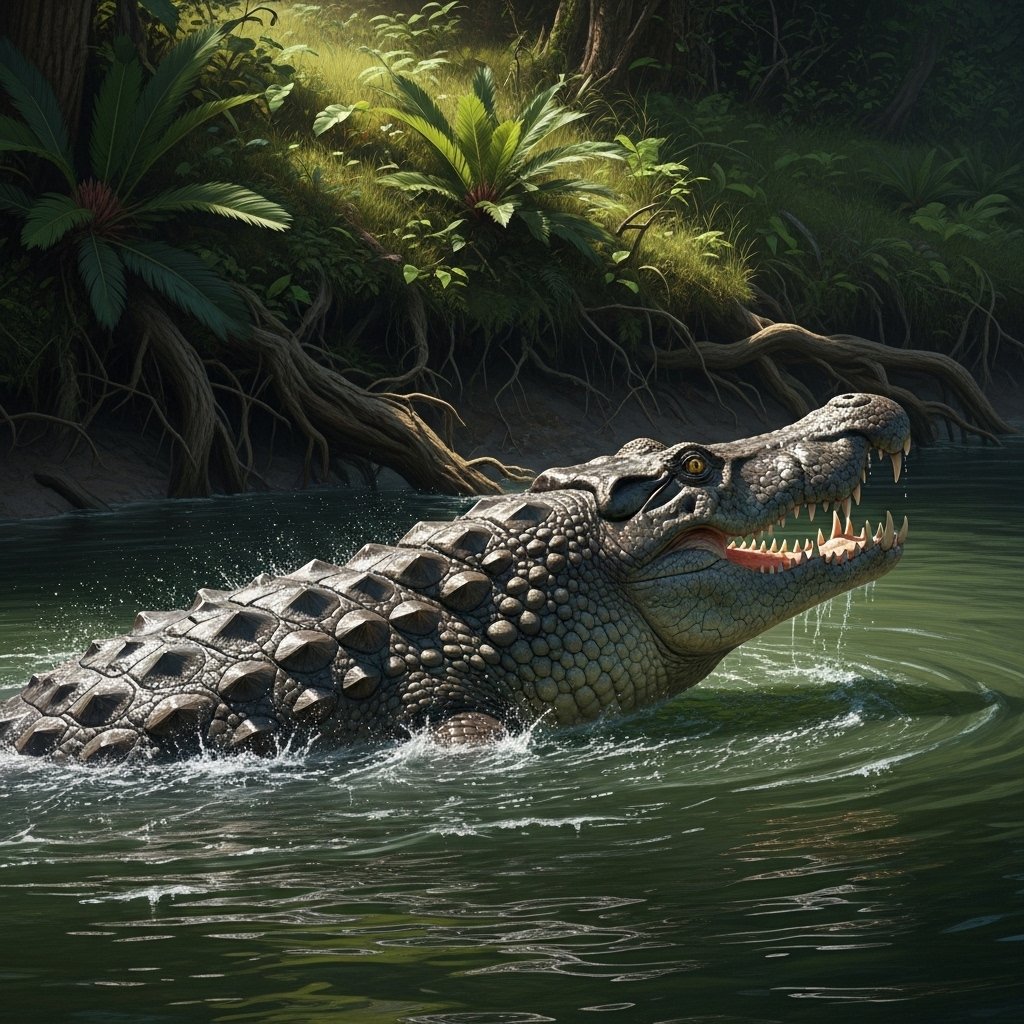
Sarcosuchus is another gigantic crocodilian which possesses both strong bite force and heavy protective armor. Its size and defensive capabilities could offer strong resistance against constriction attempts.
Spinosaurus
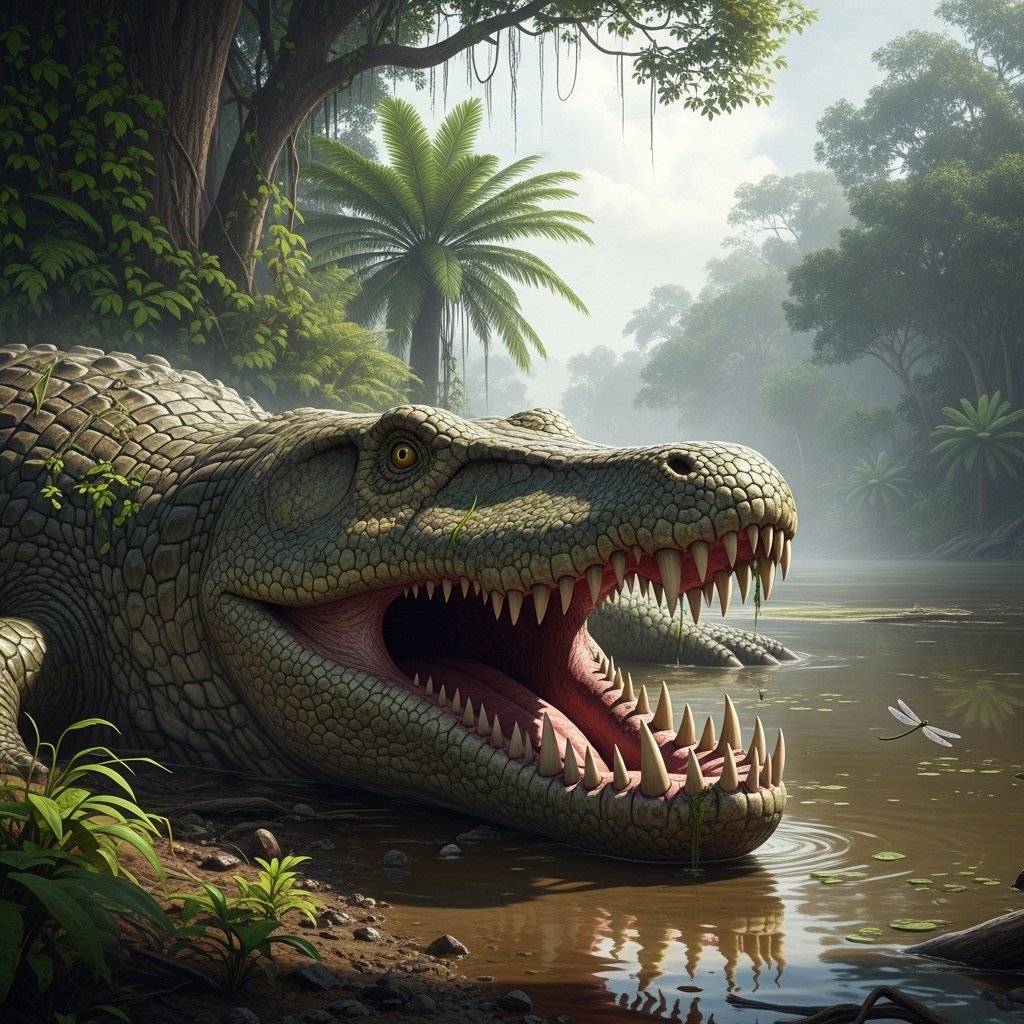
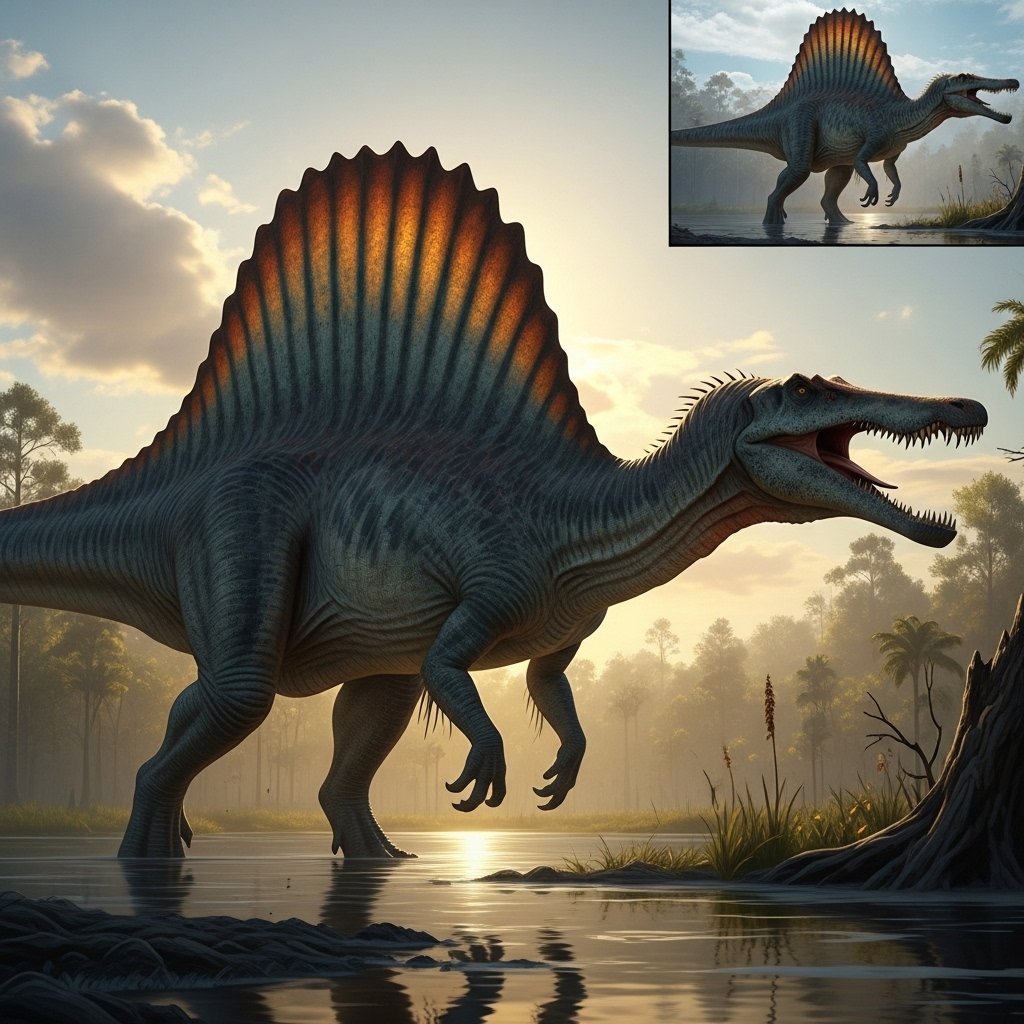
Despite existing in another time period Spinosaurus displayed both aquatic adaptation and large size together with its sharp teeth. The snake would face a size disadvantage which would make it impossible to defend itself against Spinosaurus.
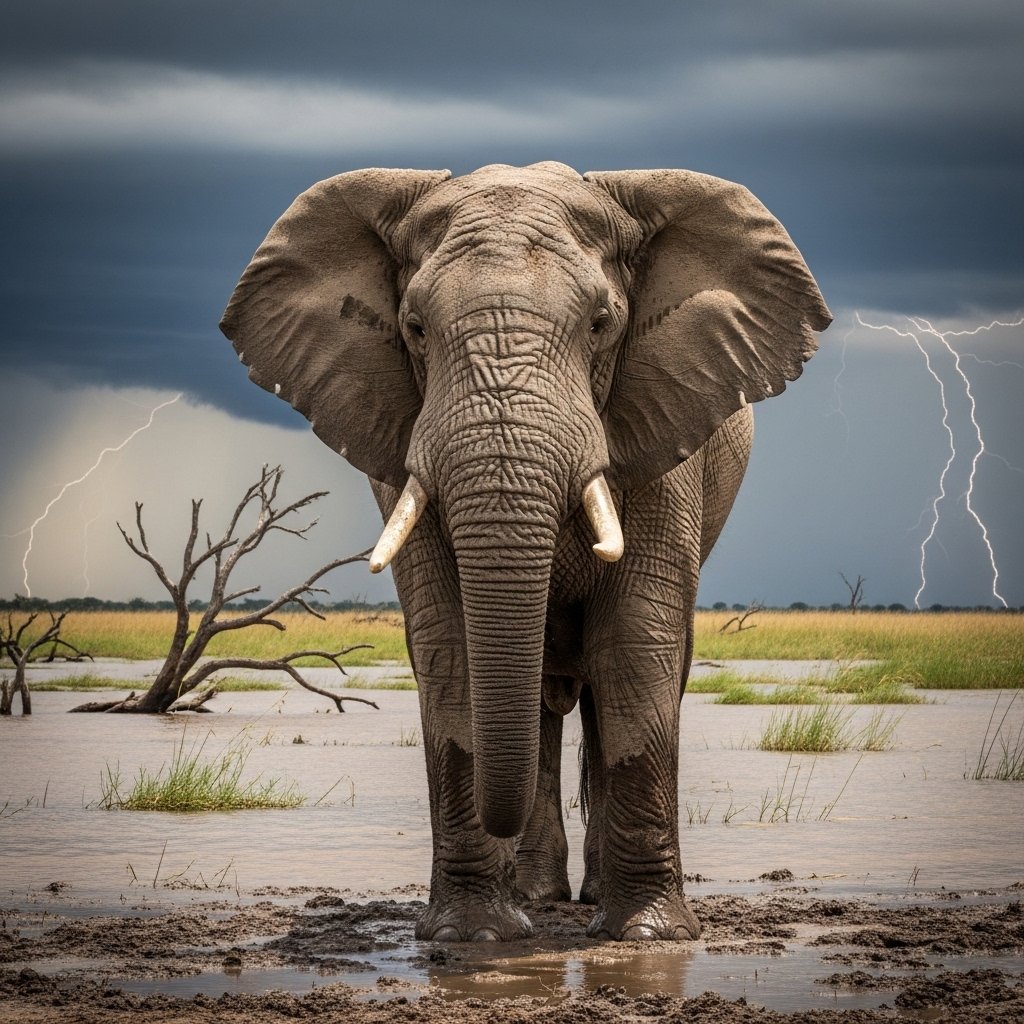
African elephant
Modern elephants display enormous size combined with their powerful physical strength. Elephants who reach full maturity become too large for successful constriction which renders them impossible to restrain.
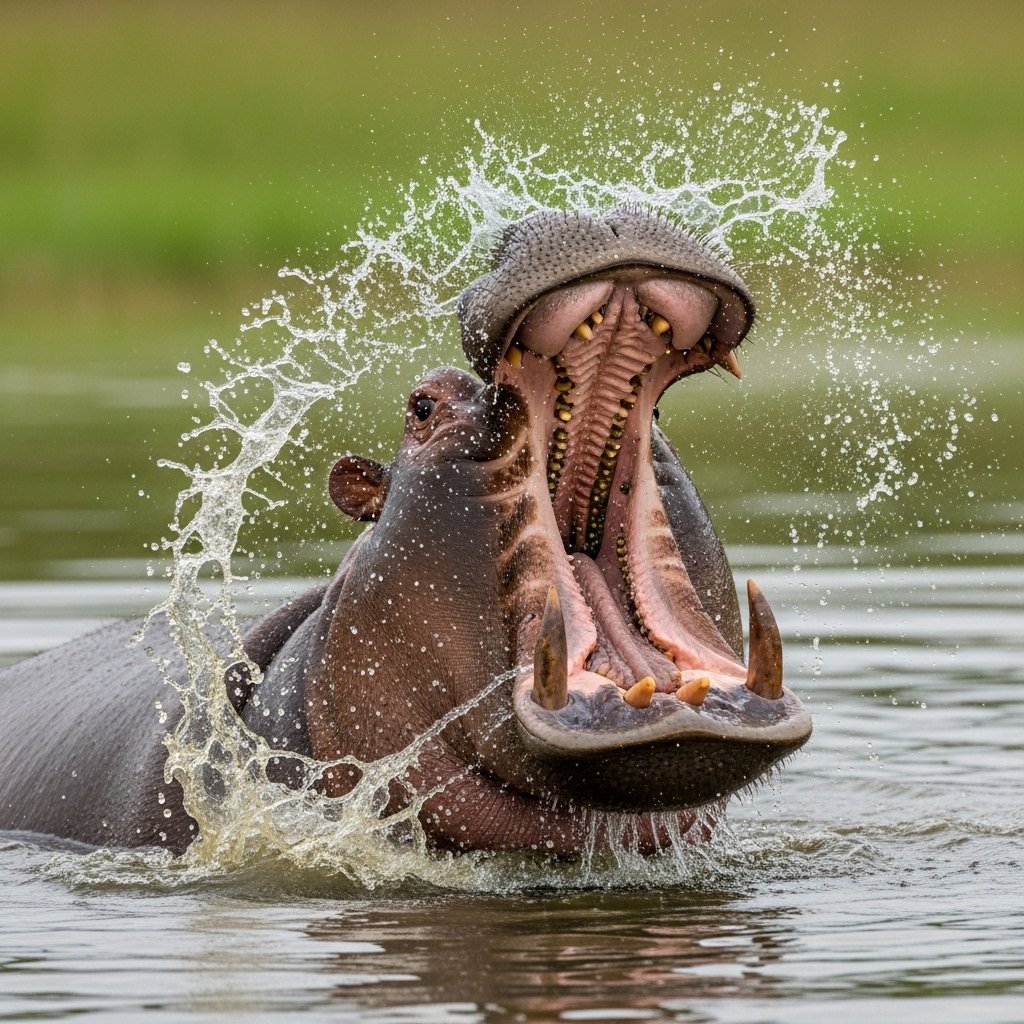
Hippopotamus
Hippos establish territorial boundaries while they maintain their strong physical presence in aquatic environments. Their size together with their thick skin and powerful jaws creates an effective defense mechanism which works in swamp-like environments.
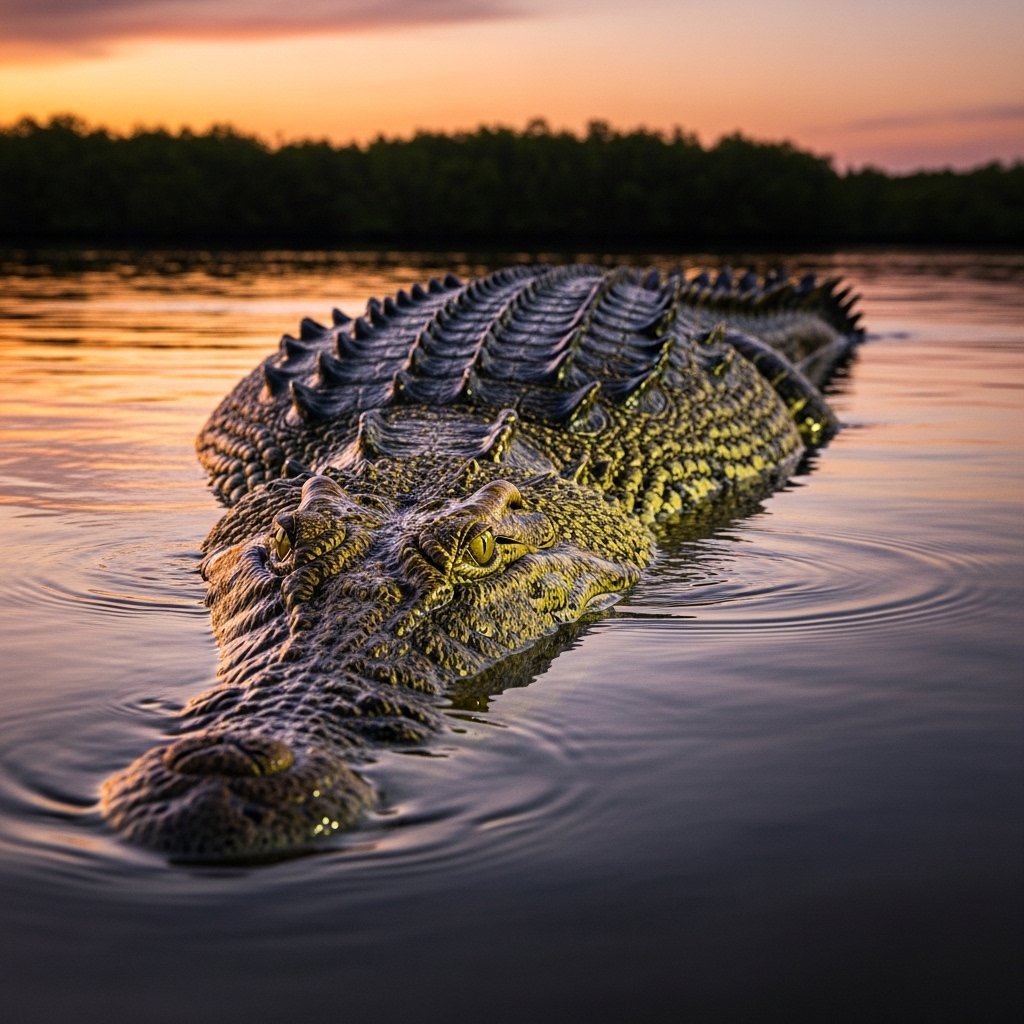
Saltwater crocodile
The largest current reptilian species on earth possesses exceptional biting strength combined with its protective armored scales. In aquatic settings, it could pose a serious challenge.
White rhinoceros
The rhinoceros uses its thick hide and horn as its main defense mechanisms. The body weight of the animal provides him with protection against constriction.
Anaconda
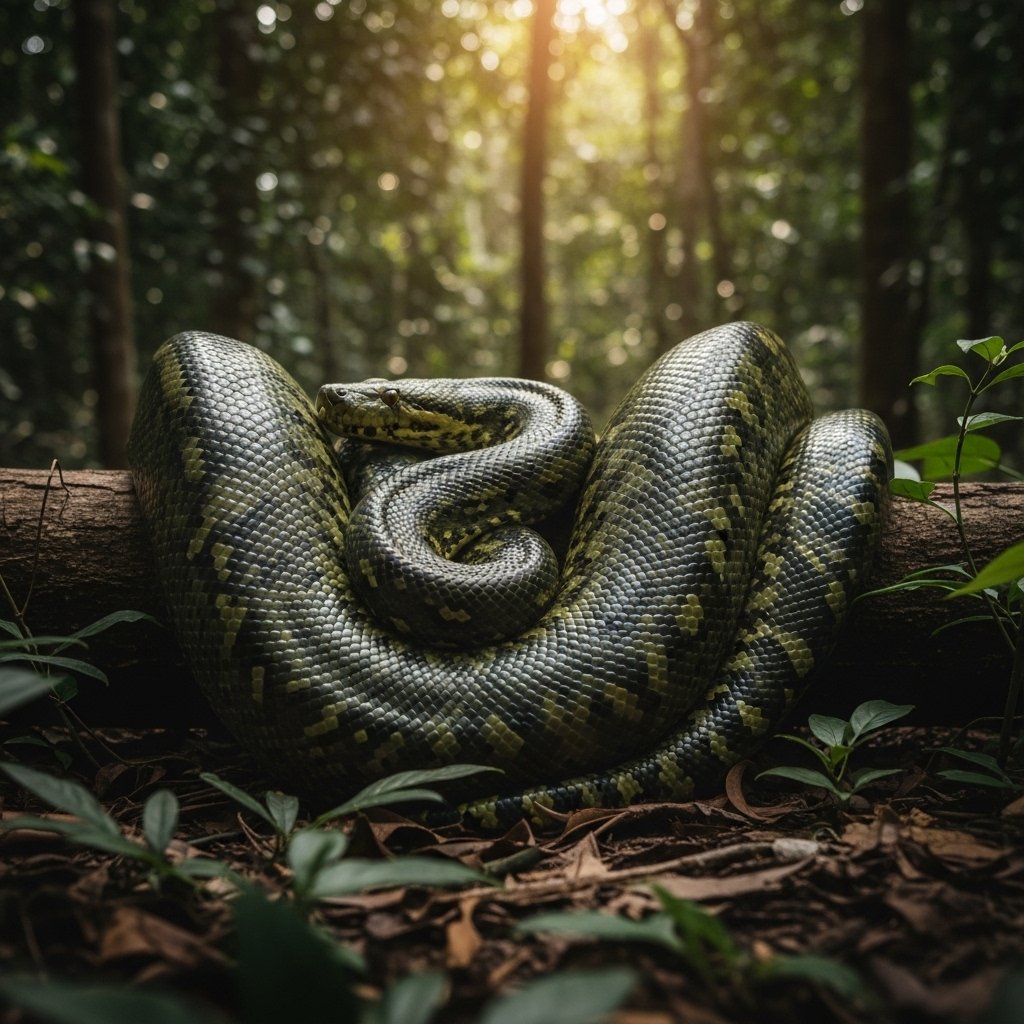
Everyone has already heard about it. Well, not requiring any detail, its a large modern anaconda might avoid confrontation entirely. The smaller Titanoboa species used evasive behavior to increase their surviving chances.
Komodo dragon
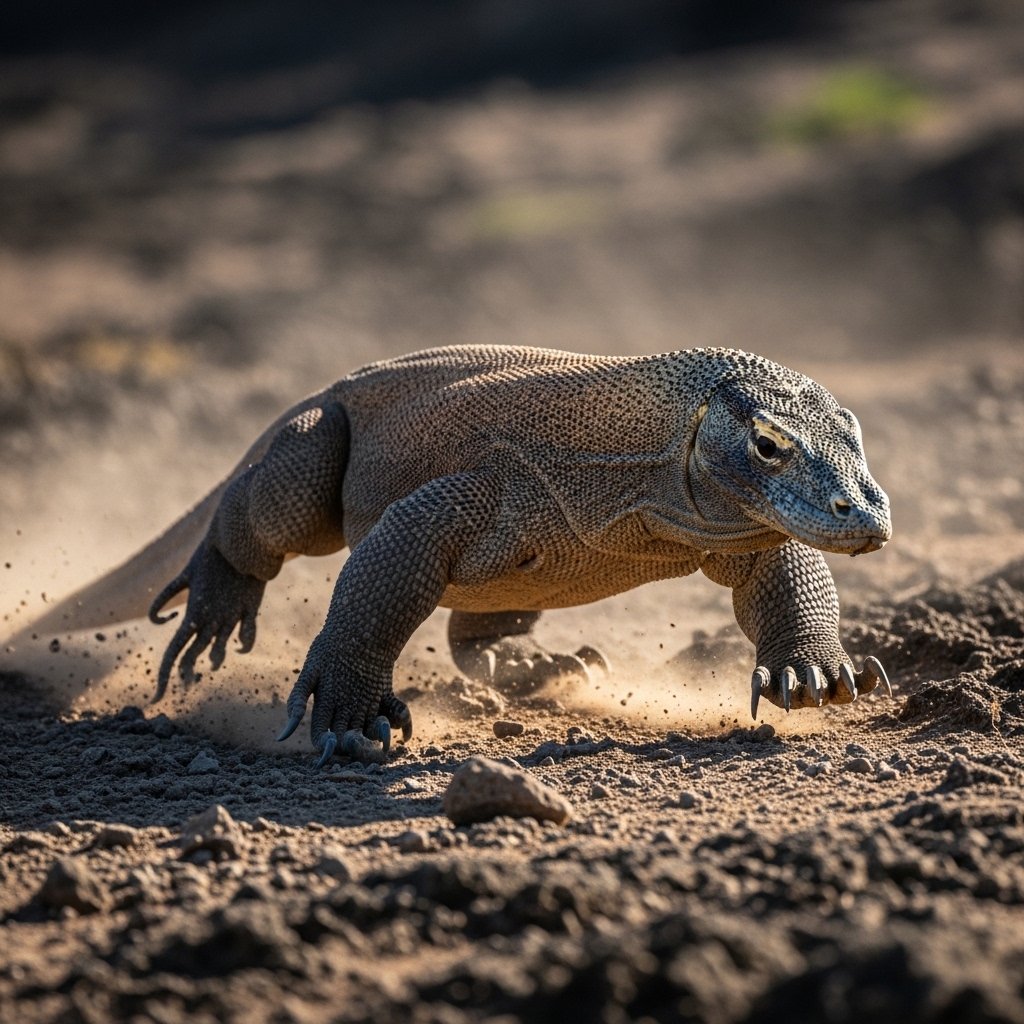
Komodo dragons use their speed and biting abilities to hunt their prey despite their smaller size. The animals would use their fast movements to escape danger instead of fighting their opponents.
Tyrannosaurus rex
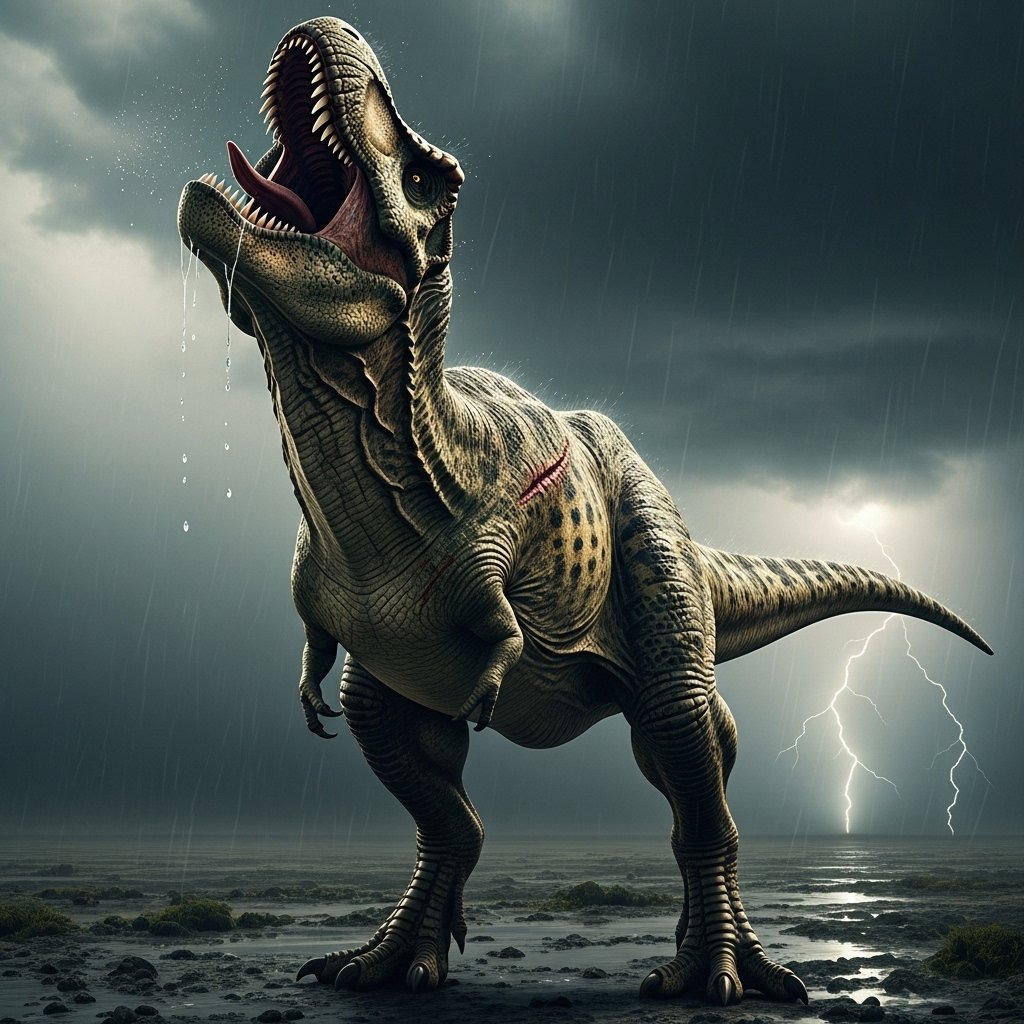
The Tyrannosaurus rex would gain an overwhelming advantage through its size and strength during a hypothetical crossover battle. The T. rex reached an estimated length of 40 feet and weighed multiple tons while possessing the strongest bite force among all documented terrestrial predators.
